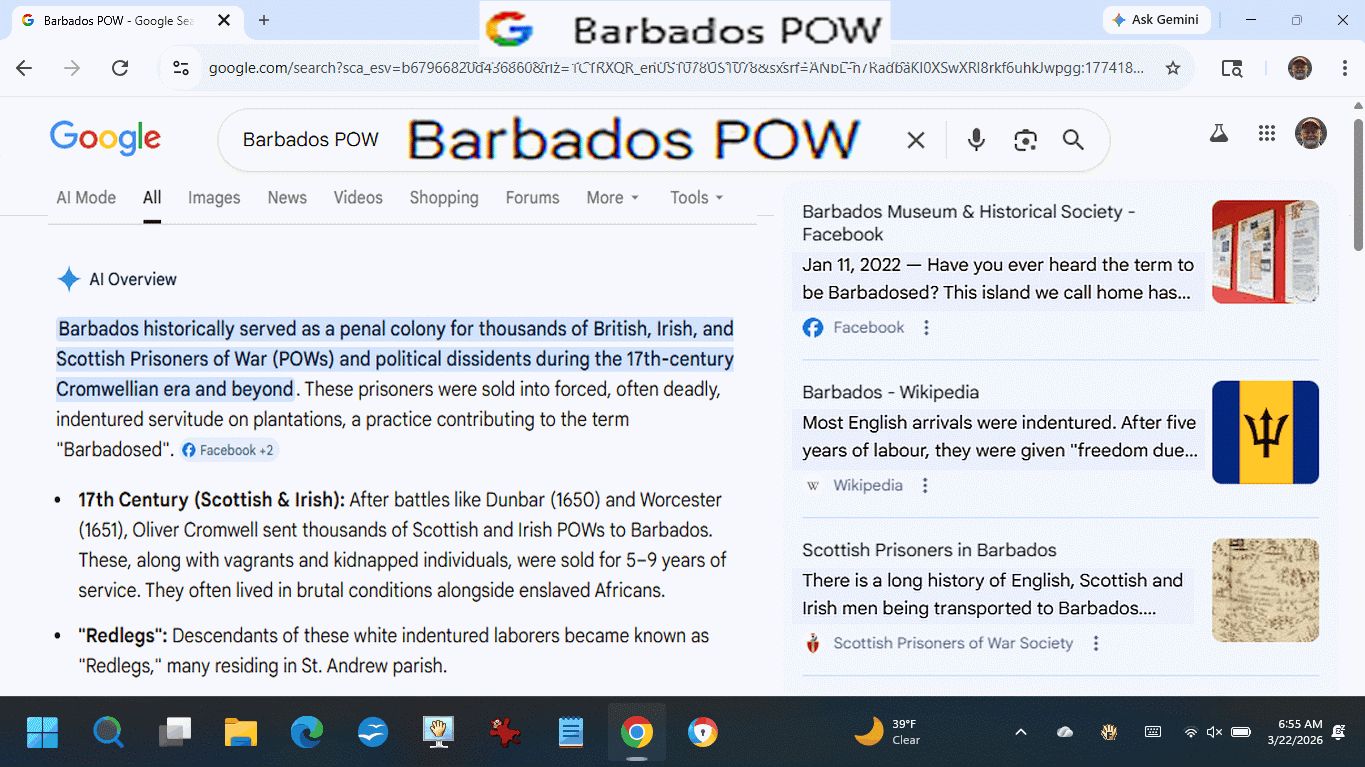
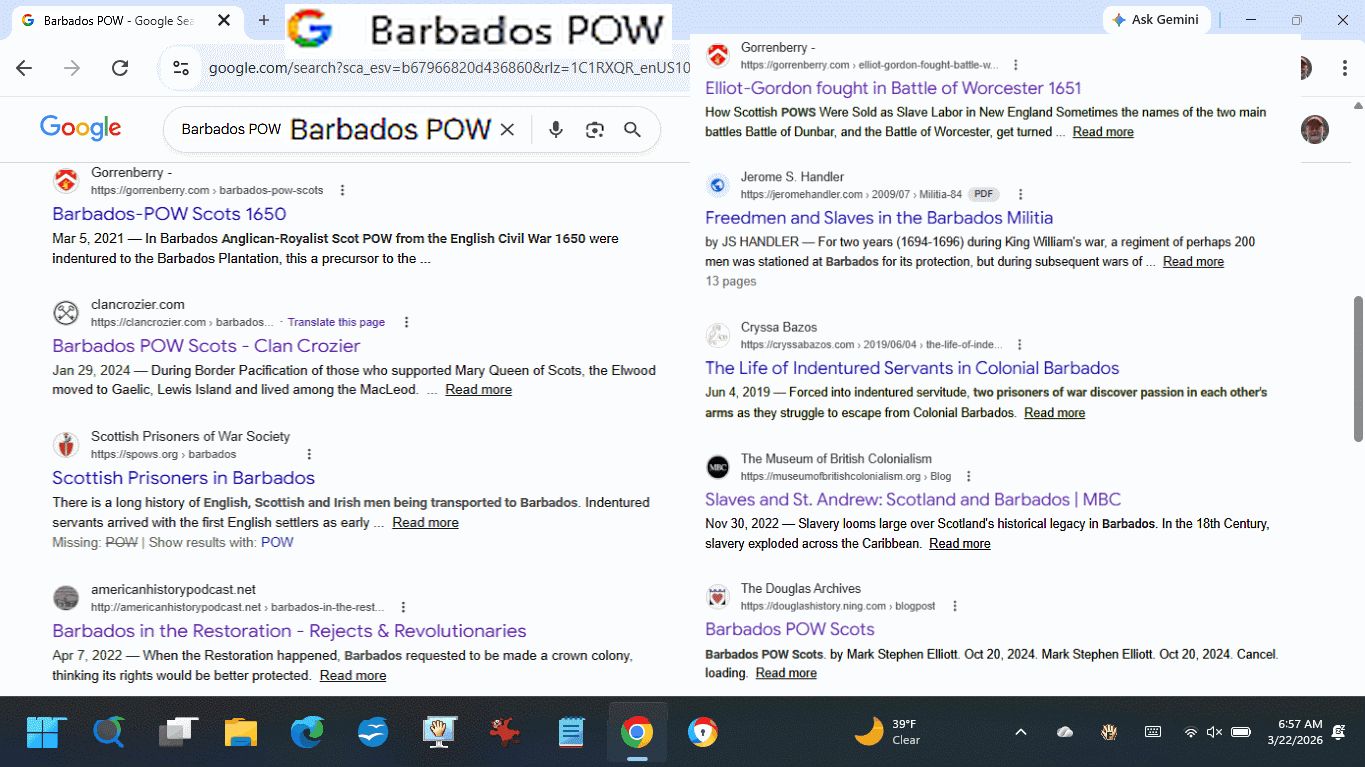
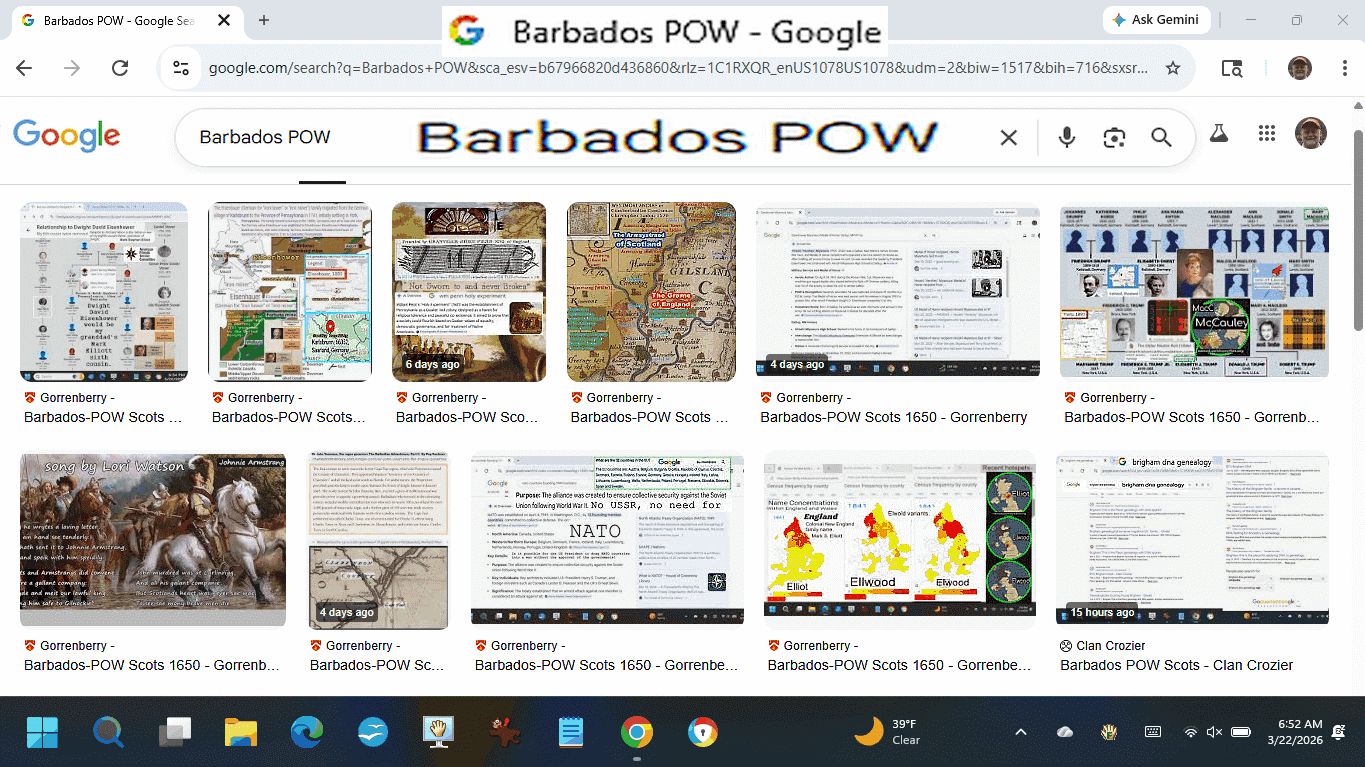
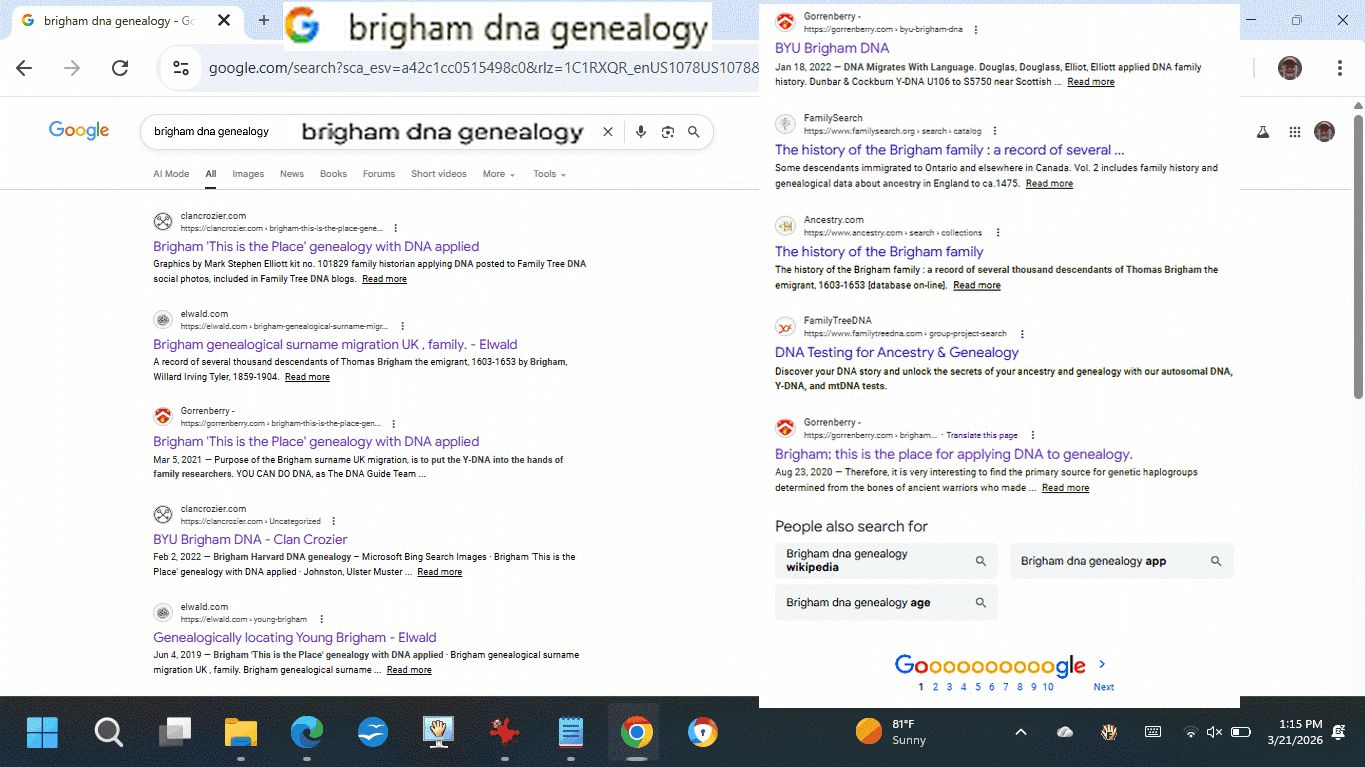
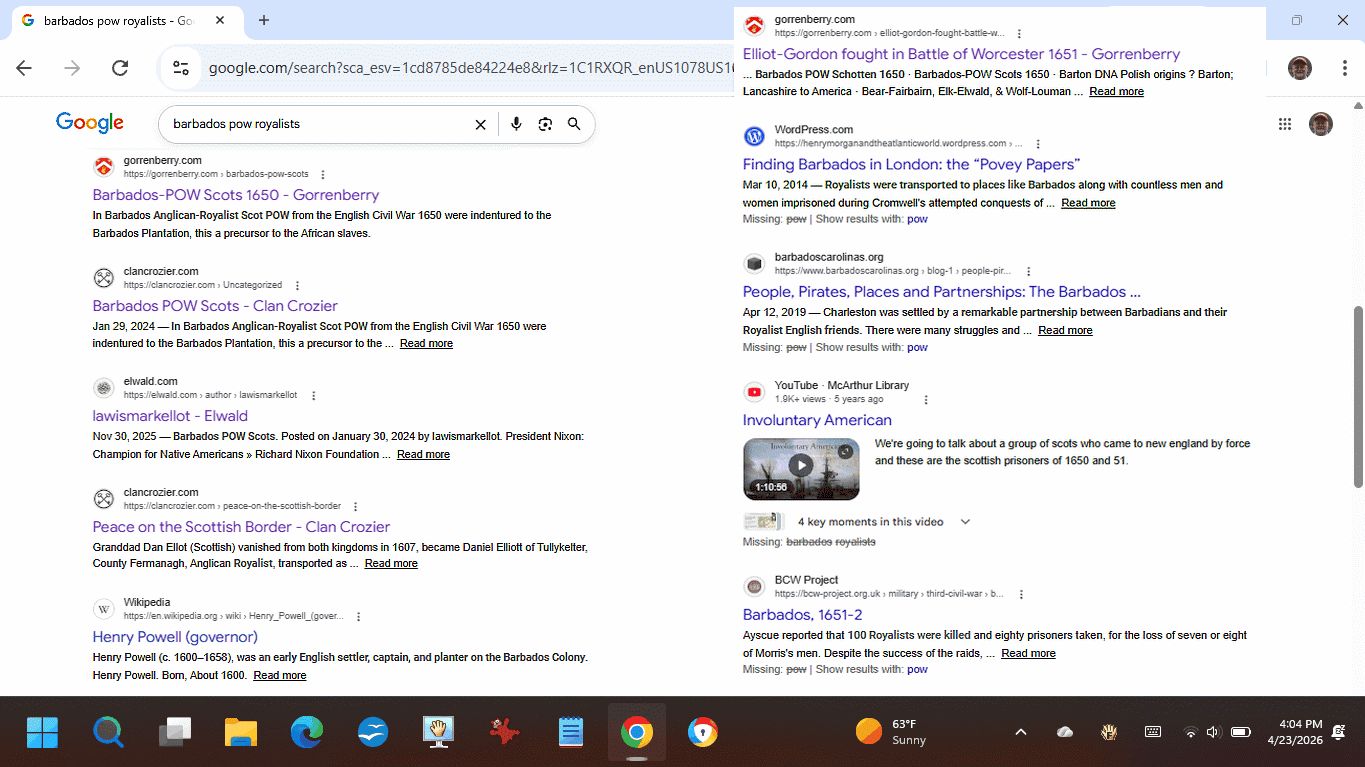
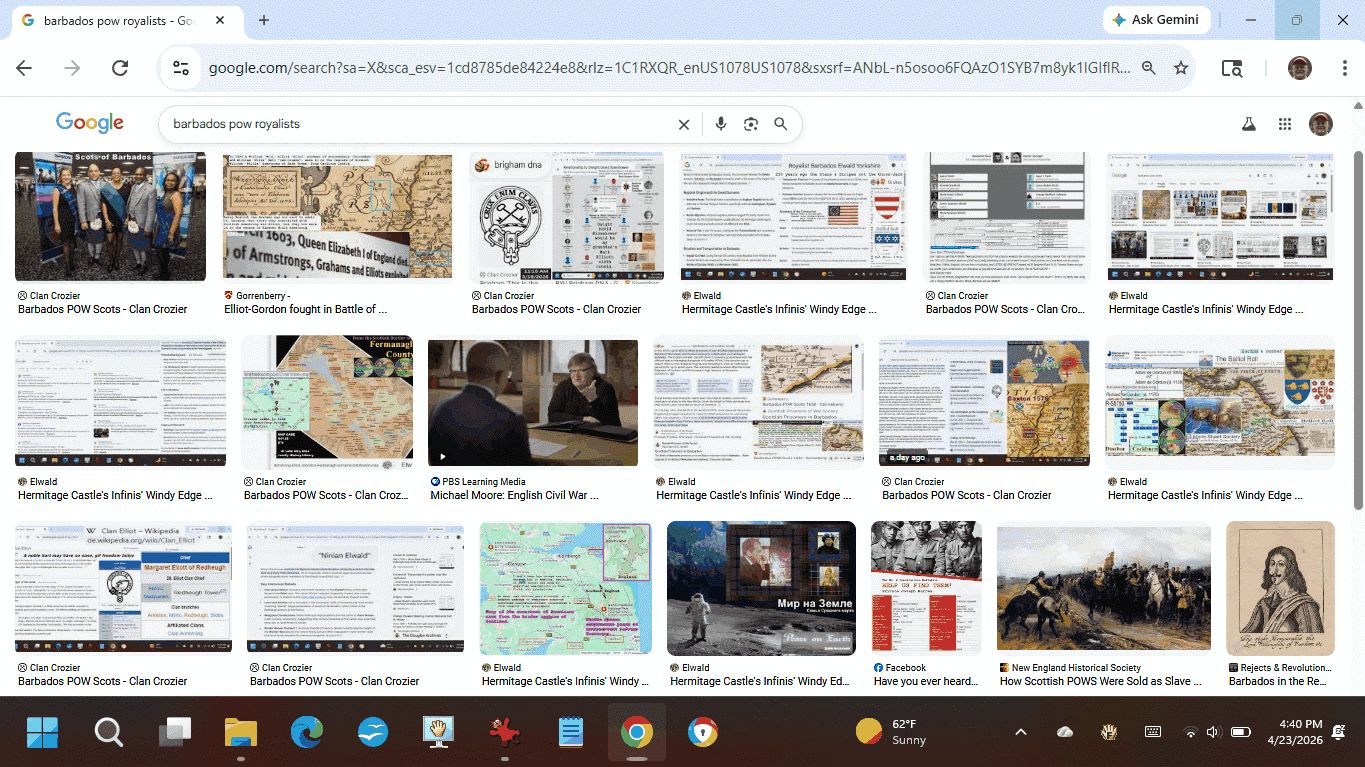
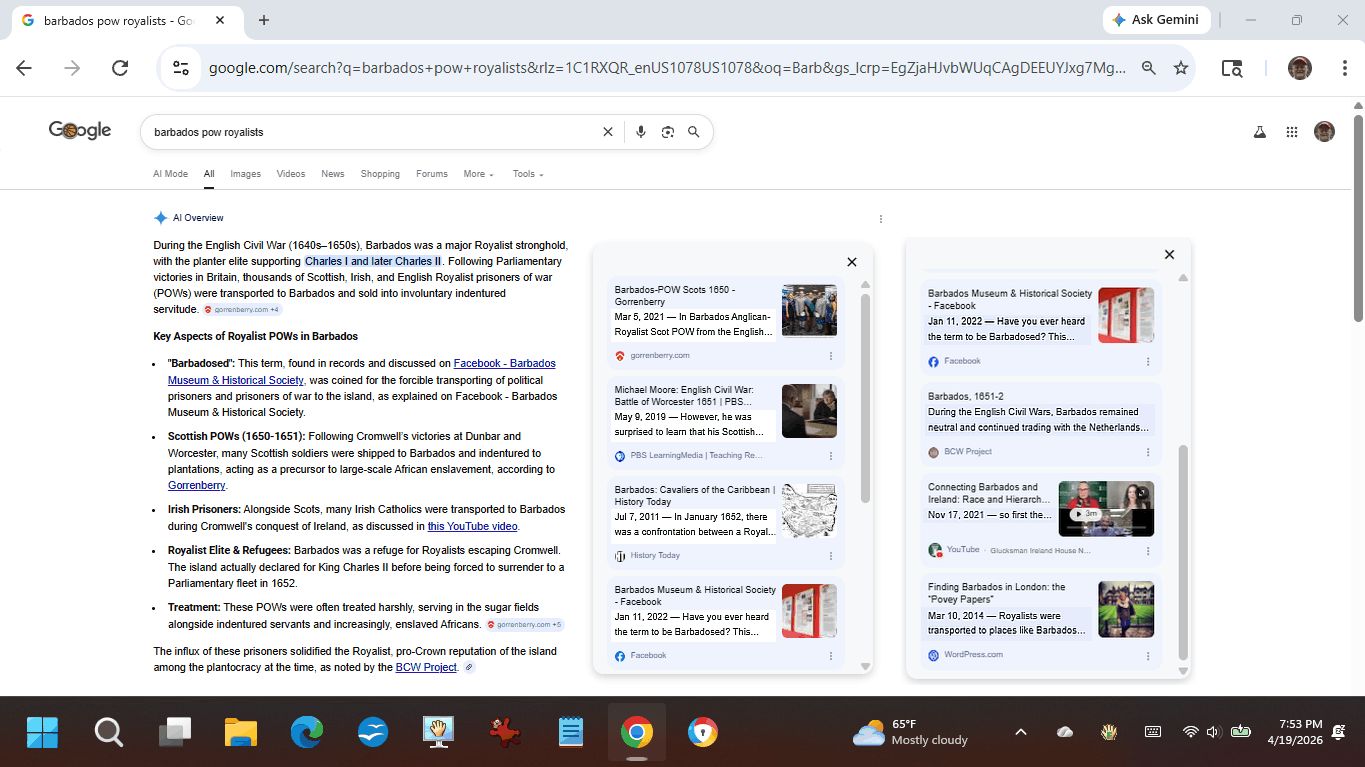
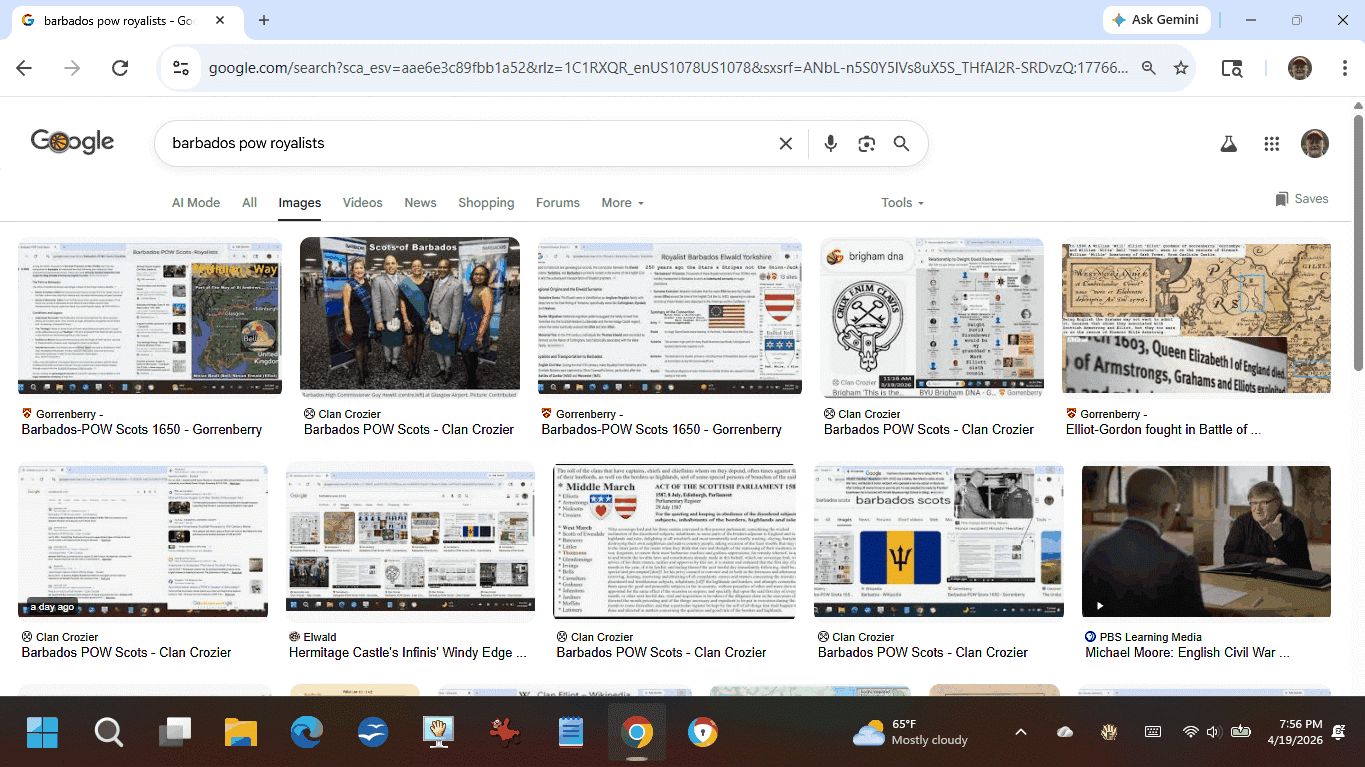
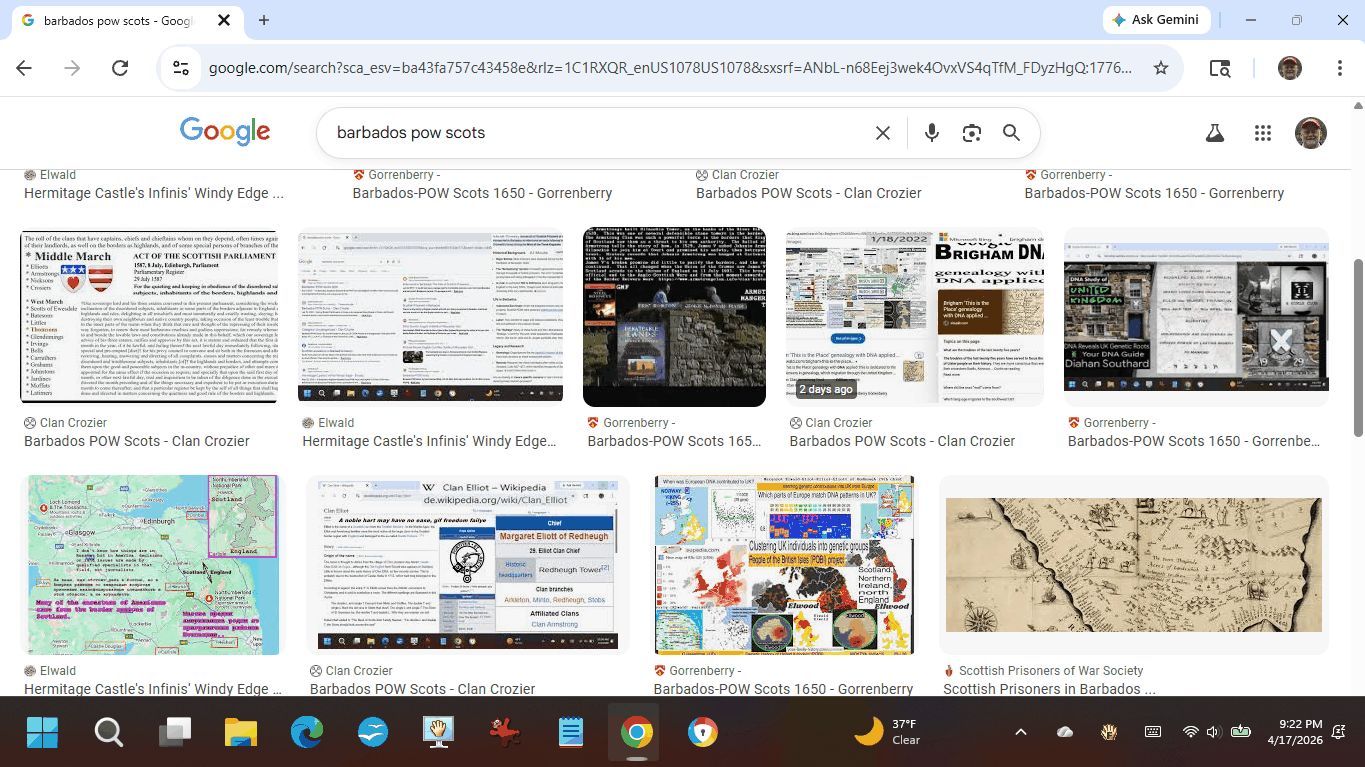
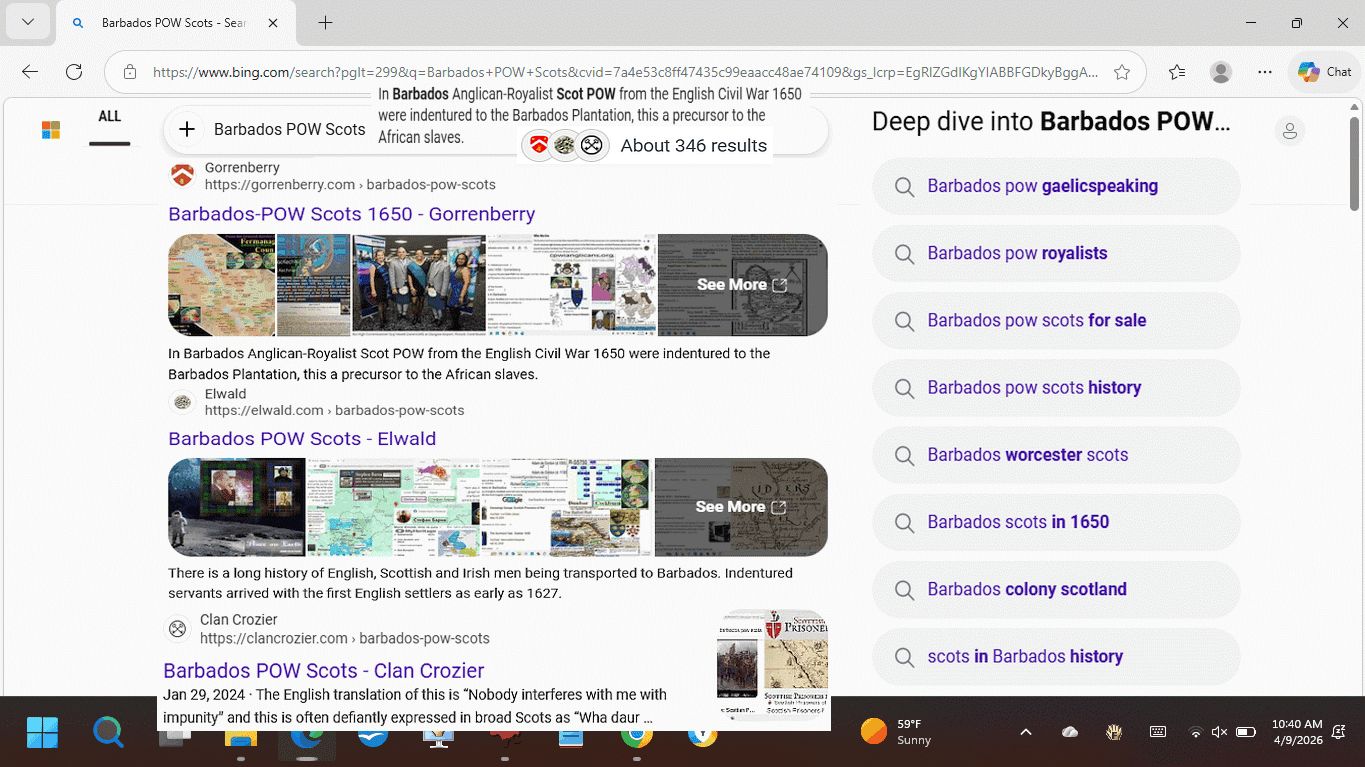
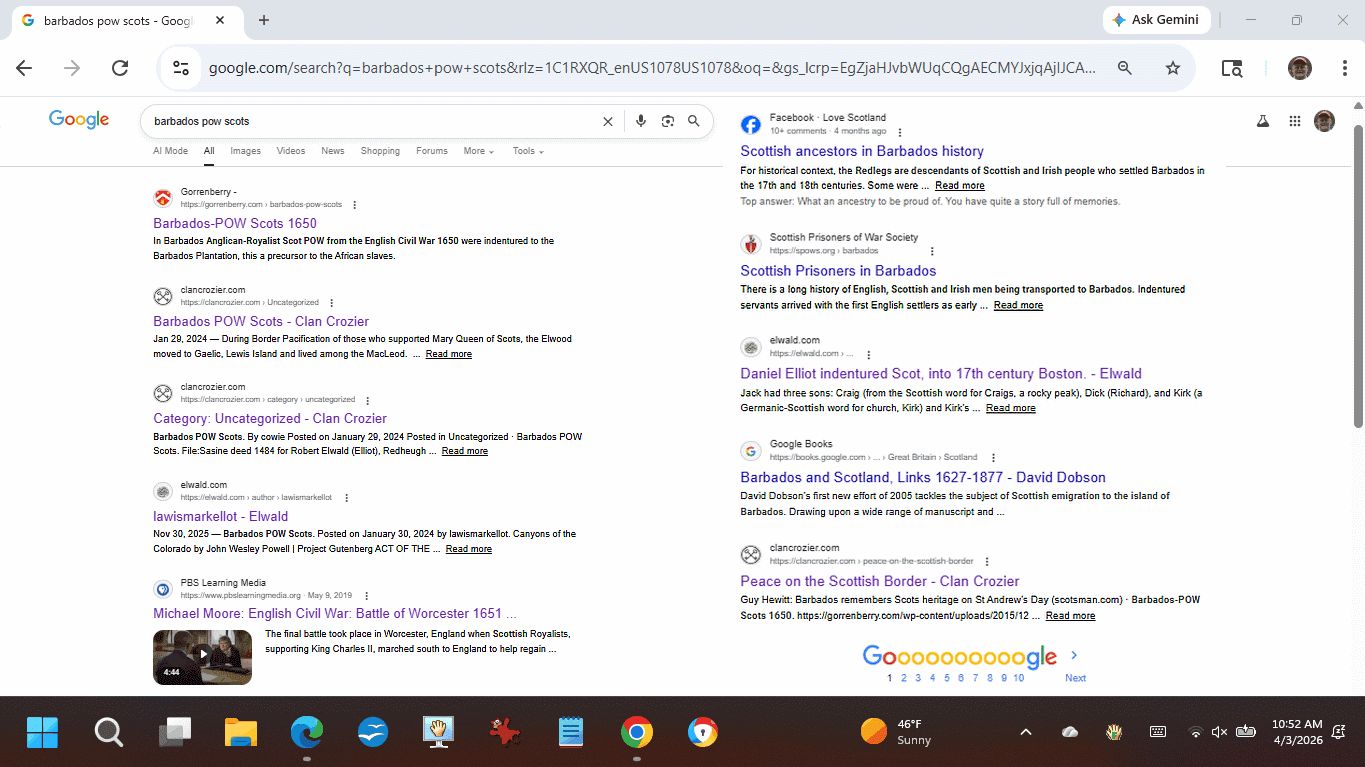
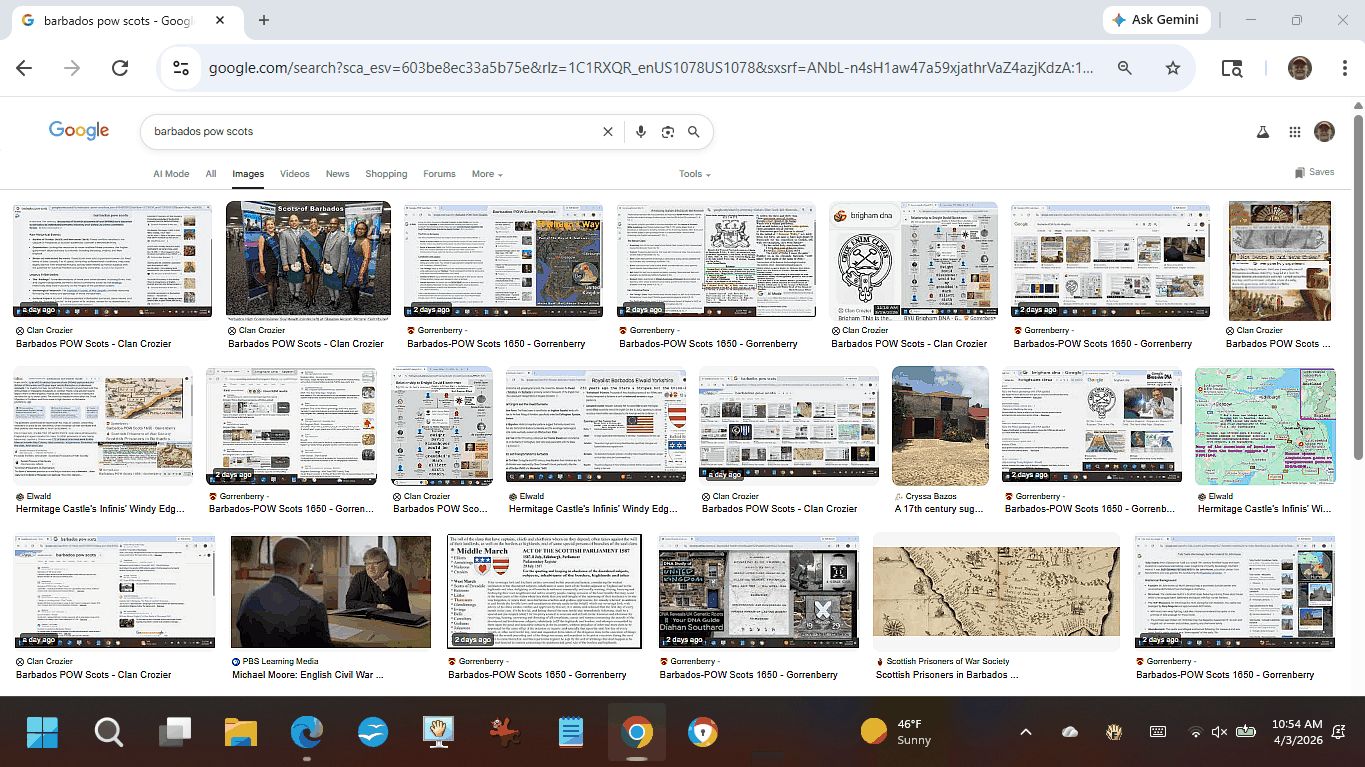
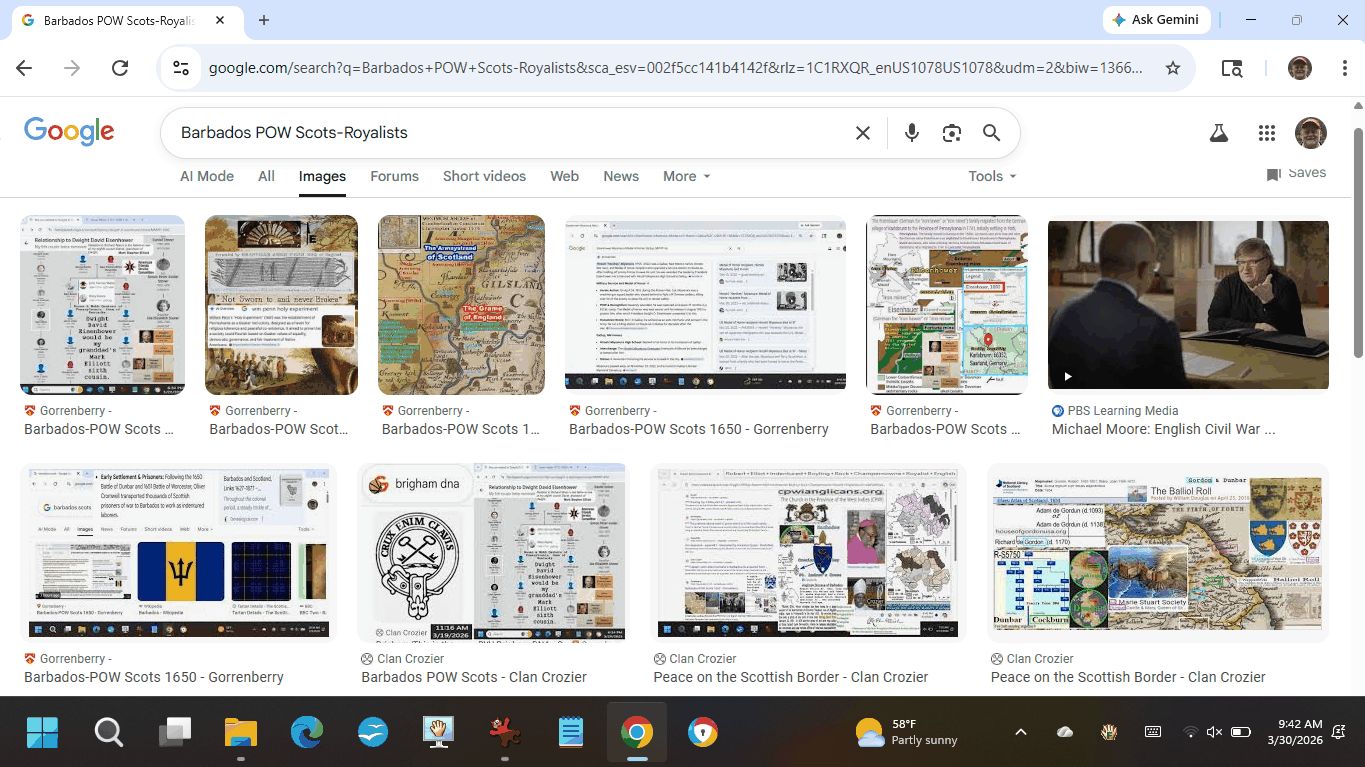
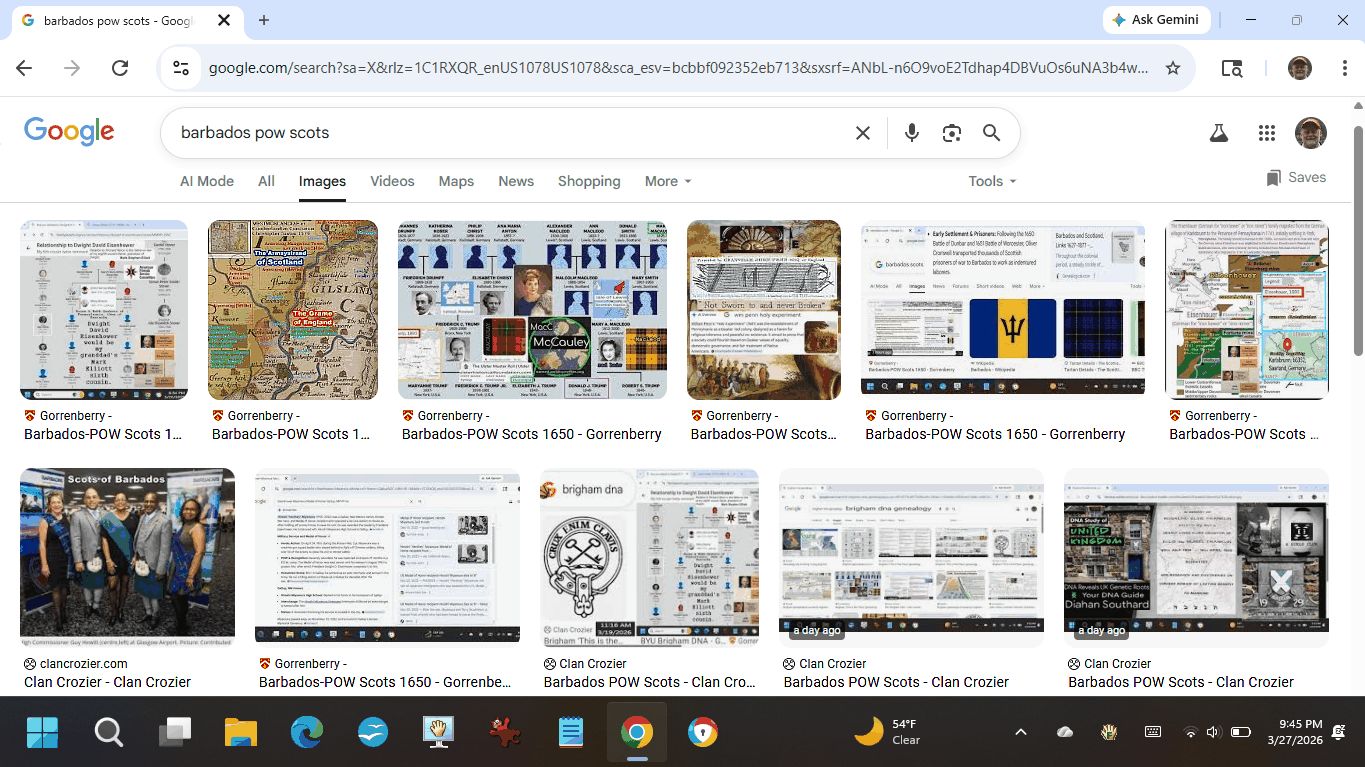
Barbados-POW Scots 1650


(feel incorrect son Mark Stephen) He married Mary LAMBERT. The LAMBERTS were fishermen and mariners. The First Church of Salem in Nov 1681 listed Mary and the following three children;
Difficult to Transcribe plus Confusion and a Result with Clarification
2. i. Elizabeth Elliot b. ca 1660 d.
3. ii. Mary Elliot b. ca 1660 d.
4. iii. Daniel Elliot b. ca 1661 d. aft 1728
Difficult-to-Transcribe-plus-Confusion-and-a-Result-with-Clarification
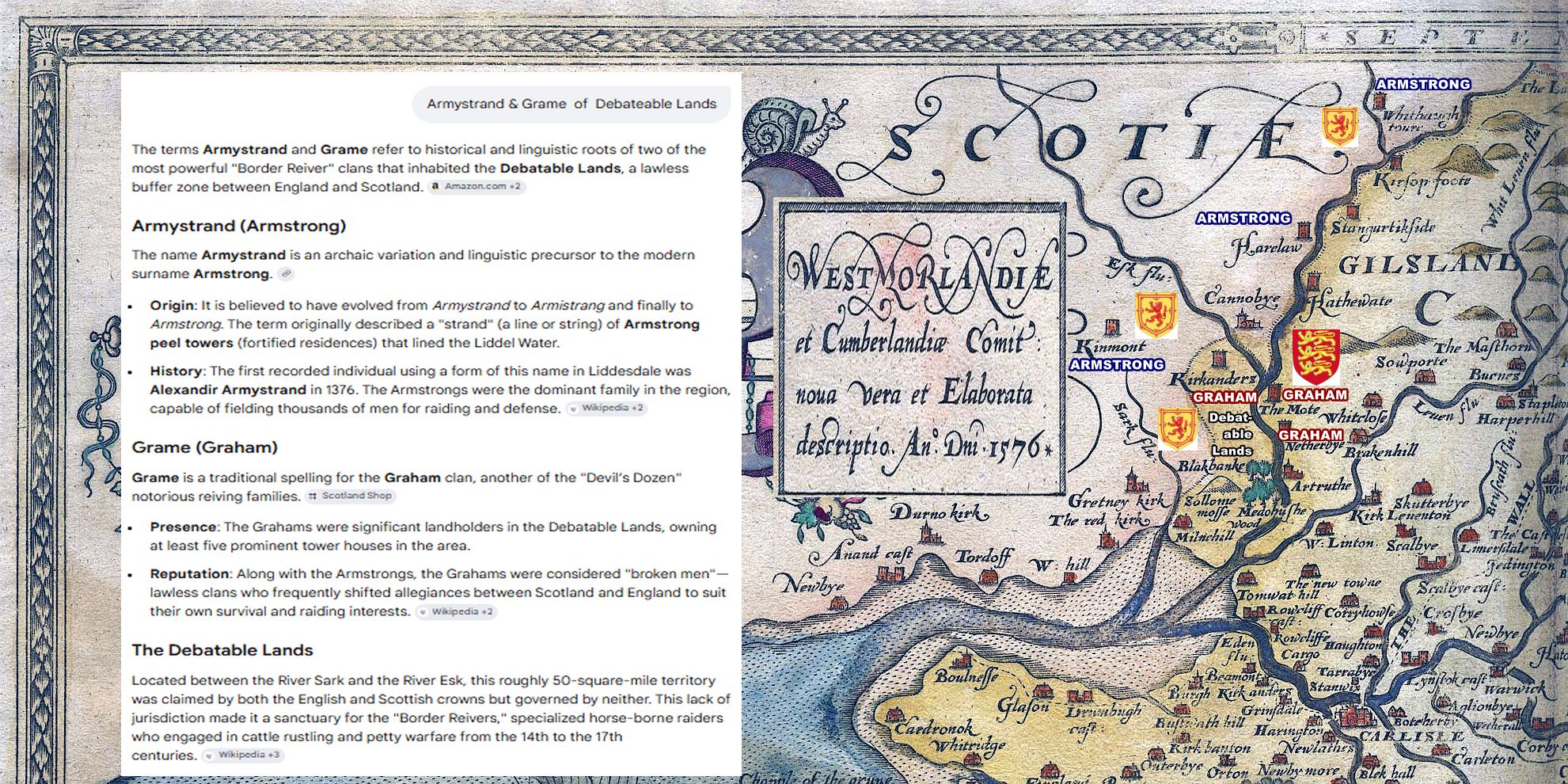
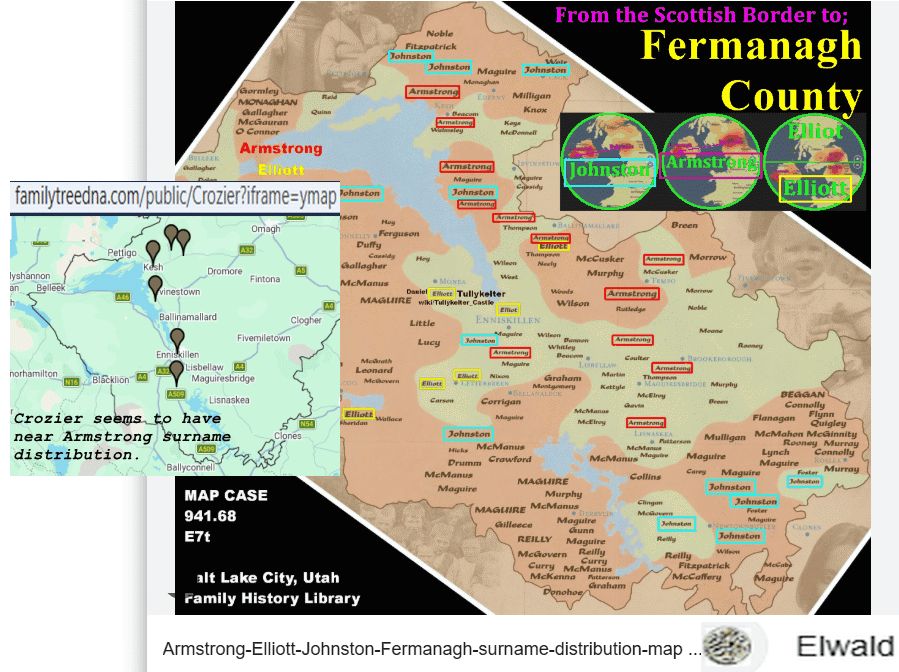
The Armstrong and Elliott clans possessed a force capable of halting the army of the English kingdom. Around 1610, the extermination—effectively a genocide—of the native Armstrong clan began; to escape, they fled alongside the Elliotts to the lands of the Maguire clan in Fermanagh (with whom they had intermarried) and fought together against Cromwell. Subsequently, they were sent to English colonies under conditions bordering on slavery. And 250 years ago, my ancestors drove the Tories—supporters of the British Crown who held the Irish borderlands—out of America. Mark Stephen Elliott son of Loren Spencer Elliott family historians 10/9/2026
Кланы Армстронг и Эллиотт обладали достаточной силой, чтобы остановить армию Английского королевства. Примерно в 1610 году началось истребление — по сути, геноцид — коренного клана Армстронг; спасаясь от неминуемой гибели, они вместе с Эллиоттами нашли убежище на землях клана Магуайр в графстве Фермана (с которым их связывали родственные узы, возникшие благодаря бракам) и плечом к плечу сражались против Кромвеля. Впоследствии их отправили в английские колонии — уже не как ольстерских шотландцев, а как шотландцев-ирландцев — в условиях, граничащих с рабством. А 250 лет назад мои предки изгоняли тори — сторонников британской короны, которые до сих пор удерживают ирландские приграничные земли. Марк Стивен Эллиотт, сын Лорена Спенсера Эллиотта; историки семьи Эллиотт. 10/9/2026


href=”https://gorrenberry.com/wp-content/uploads/2026/10/Barbados-POW-Scots-10-4-2026-Google.jpg”>


Phylogeography of R-U106 Iain McDonald February 26, 2026 PDF


Musical instruments. Pt. I. The Irish and Highland harps : Armstrong, Robert Bruce : pub , 1883 : Internet Archive

Chronicles of the Armstrongs; : Armstrong, James Lewis MD : 1902 Marion Press, NY: Internet Archive


FamilyTreeDNA.com/Social-Photos/4217954


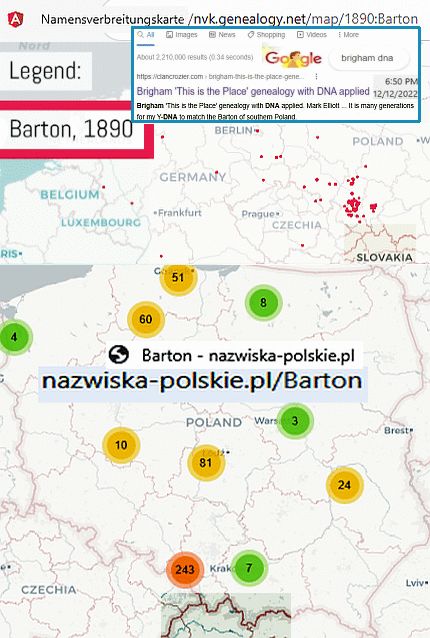
Using Geographic Surname Correlation Extra MSE 1/19/2013 PDF
Chasing my Y-DNA part-35 MSE 1/16/2013 PDF
Armystrand & Elwald 3/11/2015 MSE PDF


FamilyTreeDNA.com/Social-Photos/3935440


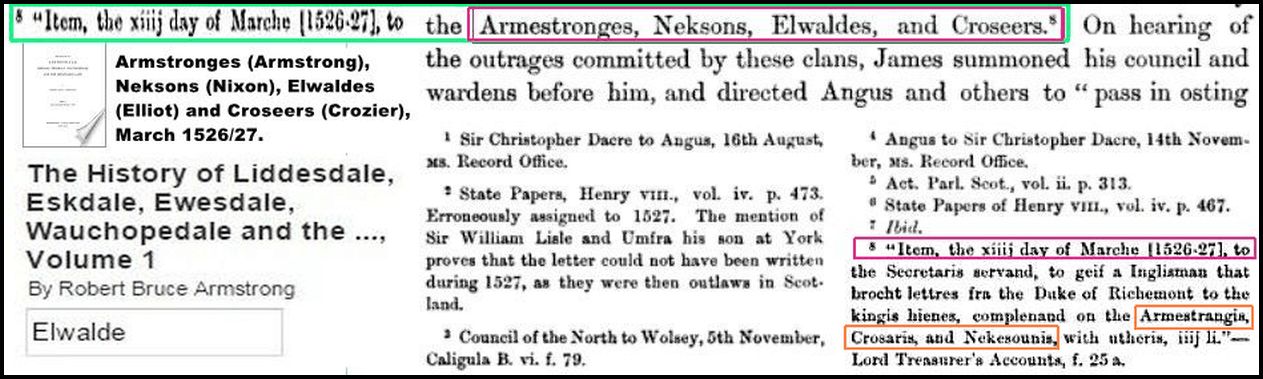
Analysis of surnames: Maguire (from the Maguire clan, County Fermanagh); Johnstone (from a place name in Scotland) and Johnston (Ulster)—in America, these often merged with the English surname Johnson; Armstrong (derived from *amry-strand*—a locality on the border between the kingdoms of England and Scotland; spelling variants: Armystrand, Armestrand, Armstrong); MacManus (a Dublin Catholic form, literally “son of hands”) and McManus (an Anglican form, County Fermanagh); Elliott (the variant *Ellott* appeared in Liddesdale in 1590 and in the muster rolls of the O’Neill clan at Tullyhogue Fort in 1610; the surname is also linked to the O’Hagan family of counties Tyrone and Fermanagh). The letter “i” (reflecting Anglo-Norman influence) appeared in the spelling only around 1650; prior to that, in 1630, the surname was spelled *Ellot*.
Mark Stephen Elliott, family history researcher.
Анализ фамилий: Maguire (из рода Магуайр, графство Фермана); Johnstone (от названия местности в Шотландии) и Johnston (Ольстер) — в Америке часто сливались с английской фамилией Johnson; Armstrong (происходит от *amry-strand* — местности на границе королевств Англии и Шотландии; варианты написания: Armystrand, Armestrand, Armstrong); MacManus (дублинская католическая форма, буквально «сын рук» / *son of hands*) и McManus (англиканская форма, графство Фермана); Elliott (вариант Ellott встречался в Лиддесдейле в 1590 году и в списках ополчения клана О’Нил в форте Таллихог в 1610 году; фамилия также связана с родом О’Хаган из графств Тирон и Фермана). Буква «i» (франко-нормандское влияние) появилась в написании лишь около 1650 года; до этого, в 1630 году, фамилия писалась как Ellot.
Марк Стивен Эллиотт, исследователь семейной истории.


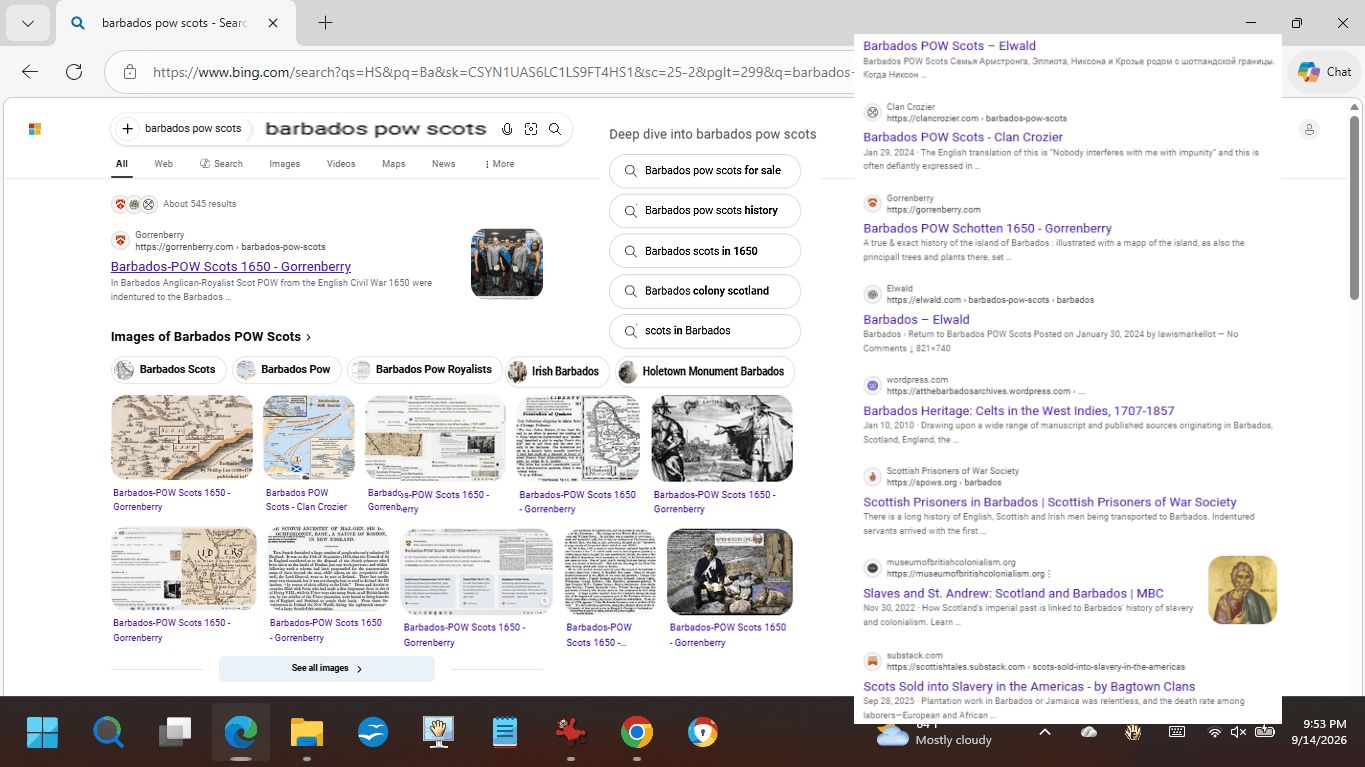


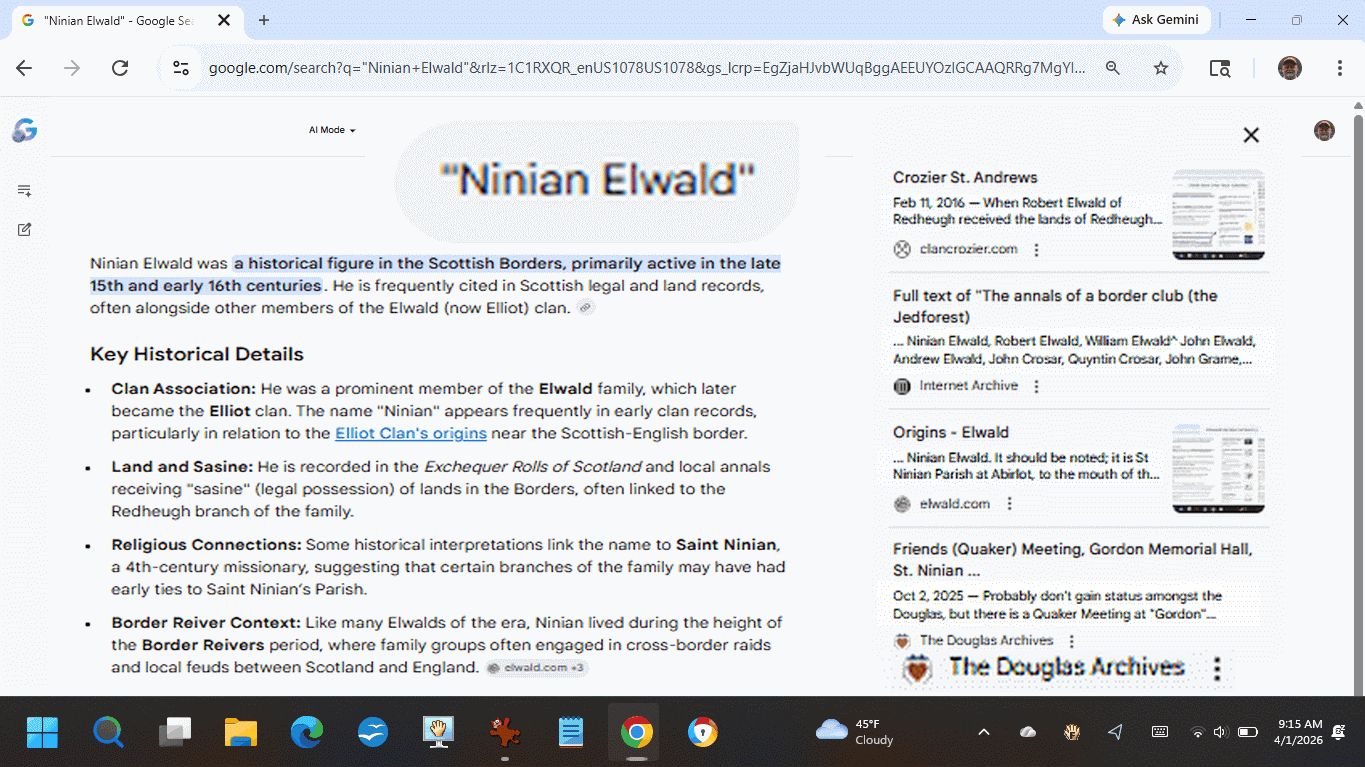
Armstrong Elwald, Mark Elliott 3/11/2015 PDF
Aliot-Elwald, Mark Elliott 7/15/2013 PDF
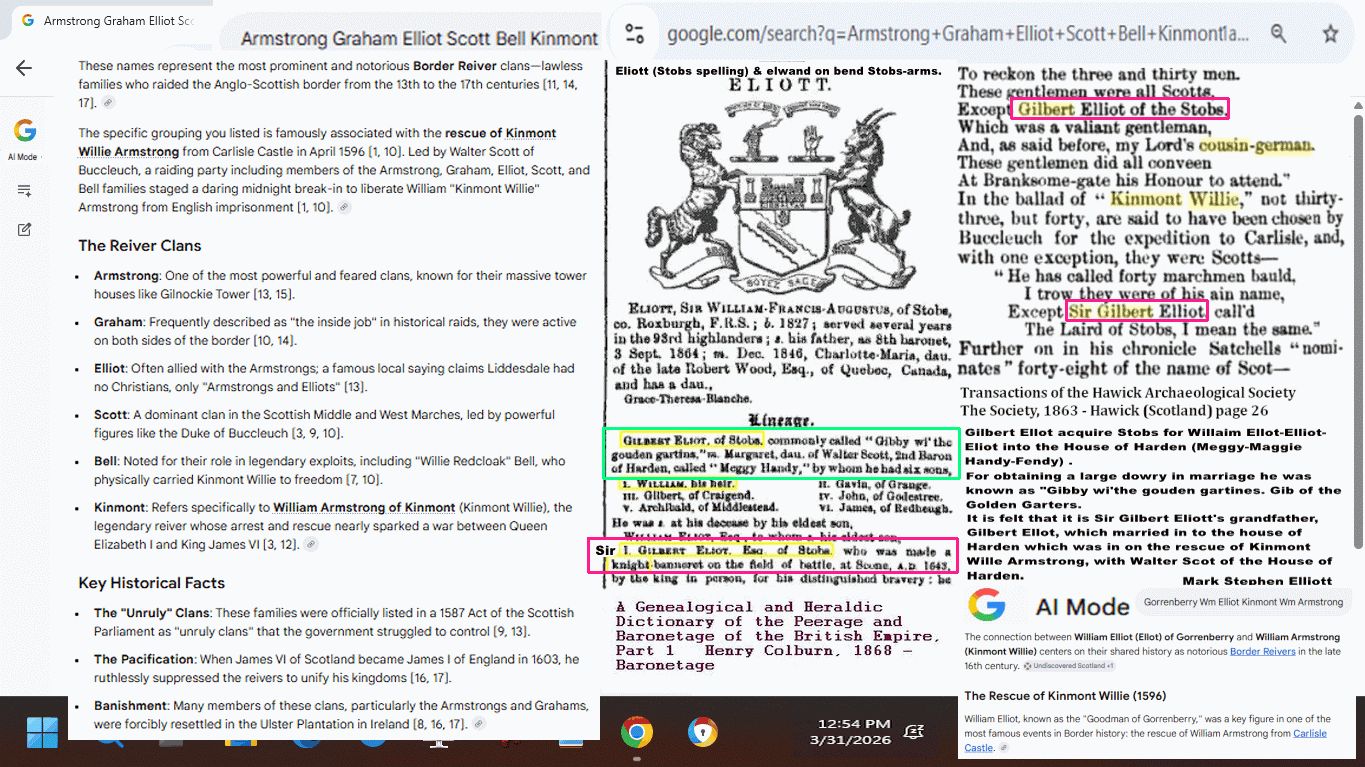
Lands of Horseliehill and Stobs, Relations of William of Horsliehill, Gavin of Stobs MSE 2013 PDF
Clan Crozier 1-6 Clan Crozier 7-13 MSE PDF
A1 Clade Report PDF

Gorrenberry Jubilee Wood
Background
Gorrenberry is an ecological restoration project which aims to restore much of the biodiversity of a substantial area in the Scottish Southern Uplands, while maintaining a varied pattern of economic activity at a sustainable level.
In 2011 Gorrenberry was a 935 hectare hill farm including four dwellings and two groups of steadings on the Hermitage Water, Roxburghshire, Scottish Borders (55.266827N, 2.845836W). It was purchased in March 2011 by Jane Bower and Ken Lyall. The farm is approximately 20 miles south of Hawick and is reached by the unclassified road between the A7 and the B6399 signposted to Hermitage Castle.


Elliot Ancestors of New England and many points west, compiled by Loren S. Elliott(pdf)
Appendix-H-Rowell-Charles-Carroll.pdf – Clan Crozier


Chronicles of the Armstrongs; : Armstrong, James Lewis :Internet Archive.org 1902
A Hawick Word Book by Douglas Scott PDF


Felt to be WWII veterans housing in Manson, Iowa where dad Loren Spencer Elliott, as a graduate agricultural engineer, of Iowa State College, taught vocational agricultural classes to WWII farm veterans. MSE


https://www.familytreedna.com/social-photos/449463
The image example for me MSE like a blank field, turned up a blank.


https://www.familytreedna.com/social-photos/3935440
https://www.familytreedna.com/social-photos/4498710
https://www.familytreedna.com/social-photos/4217954
No blanks above. Mark Stephen Elliott family historian
https://www.familytreedna.com/social-photos/449463
The image example for me MSE like a blank field, turned up a blank.

https://www.familytreedna.com/social-photos/3935440
https://www.familytreedna.com/social-photos/4498710
https://www.familytreedna.com/social-photos/4217954
No blanks above. Mark Stephen Elliott family historian

FamilyTreeDNA.com/Social-Photos/4217954


FamilyTreeDNA.com/Social-Photos/3935440

FamilyTreeDNA.com/Social-Photos/4498710

FamilyTreeDNA.com/Social-Photos/4217954


FamilyTreeDNA.com/Social-Photos/3935440


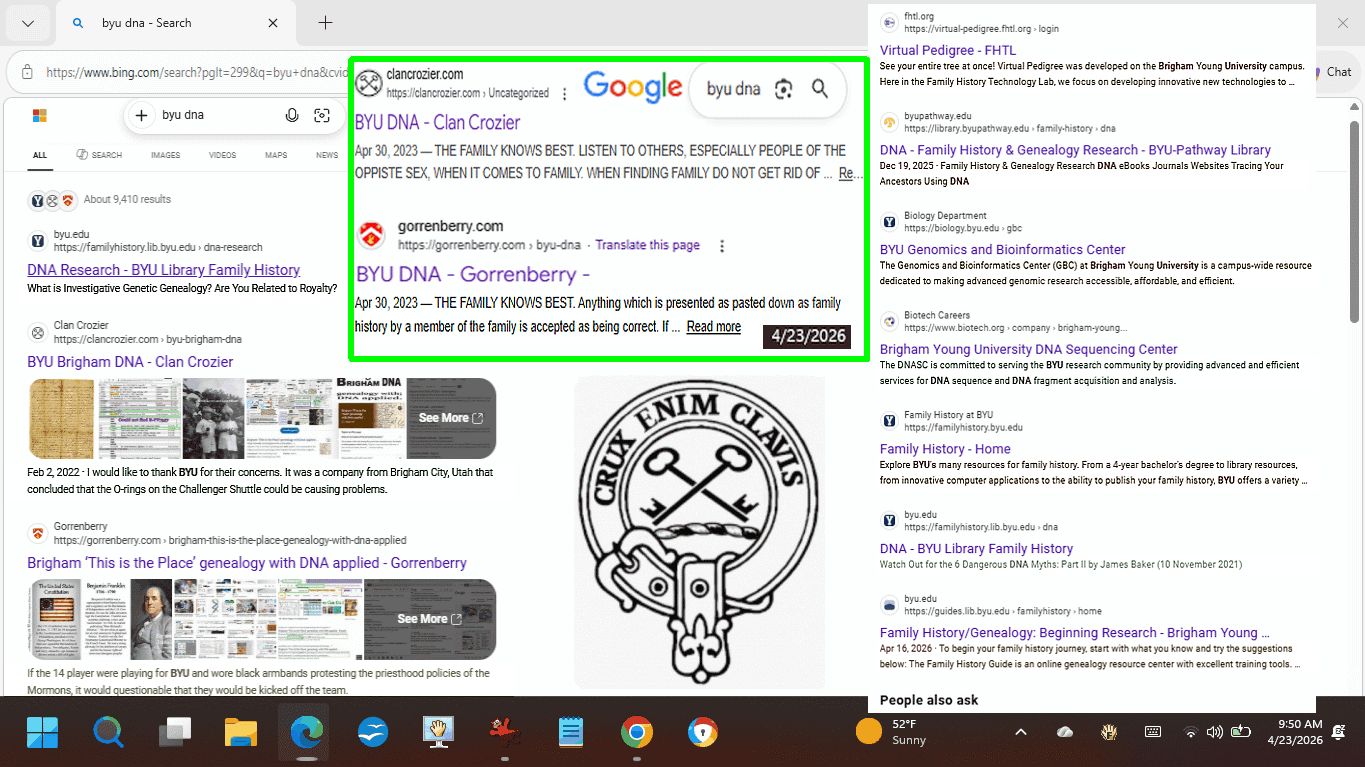
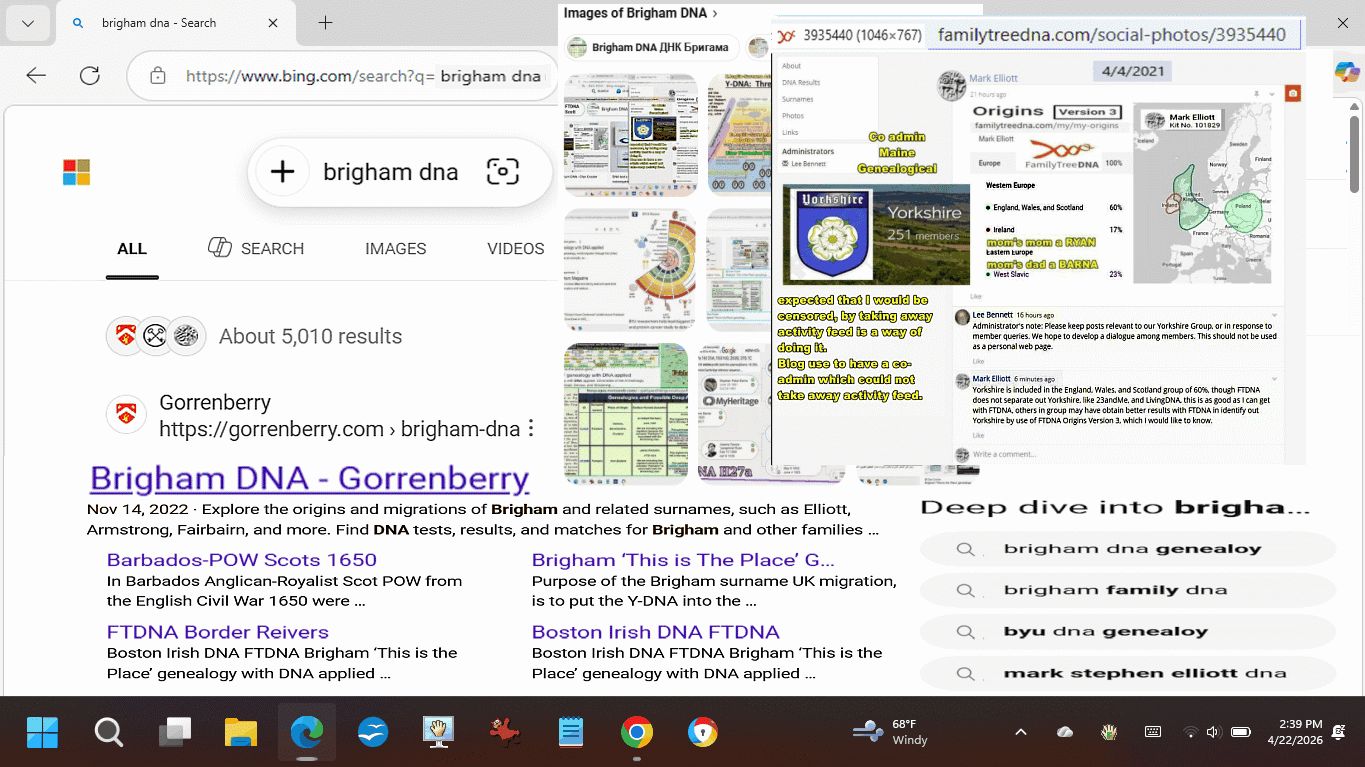
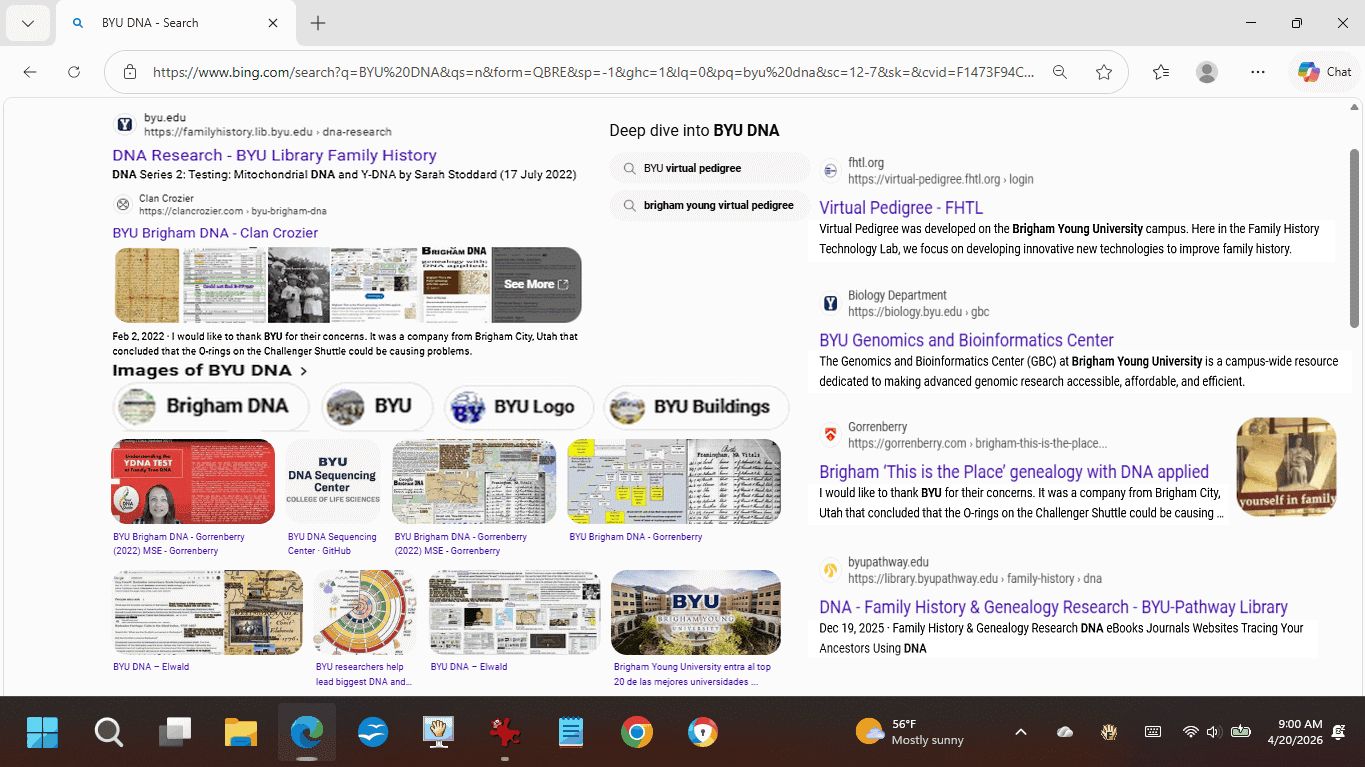
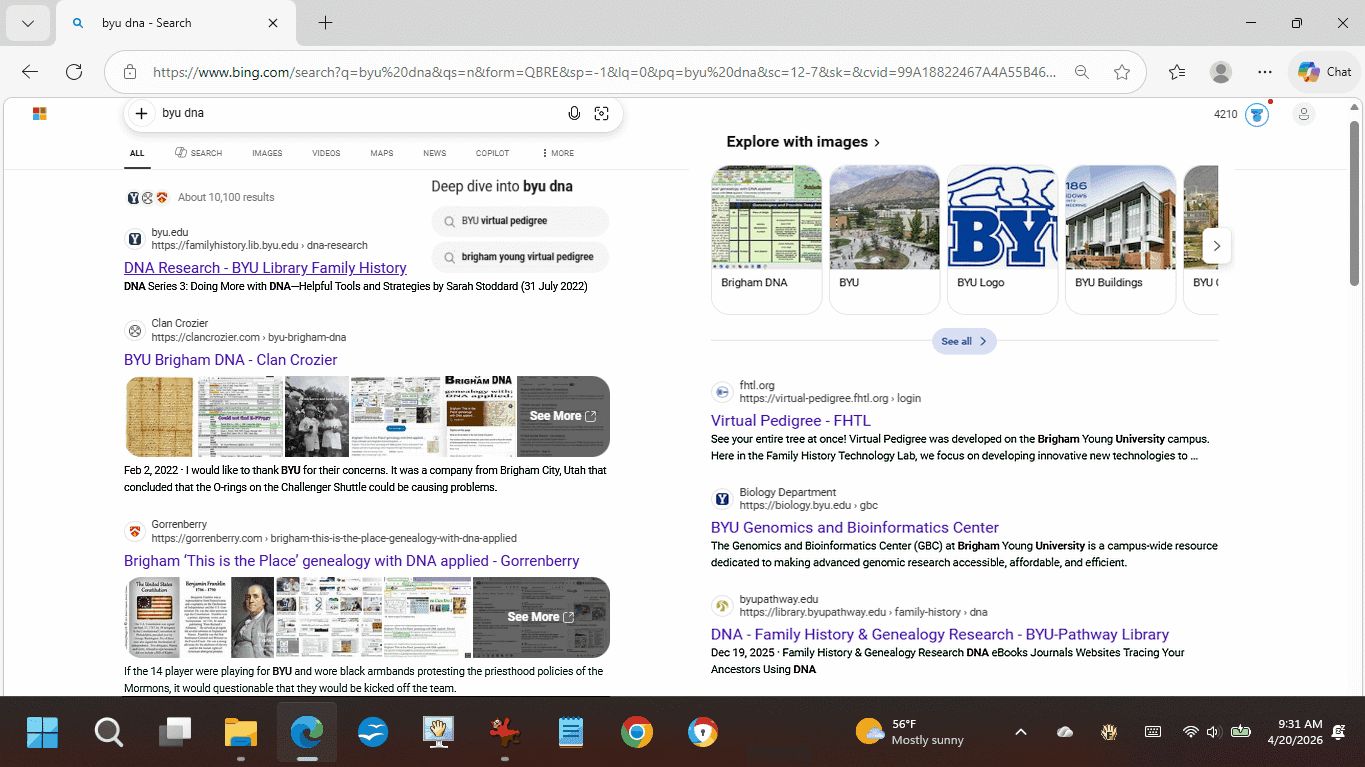
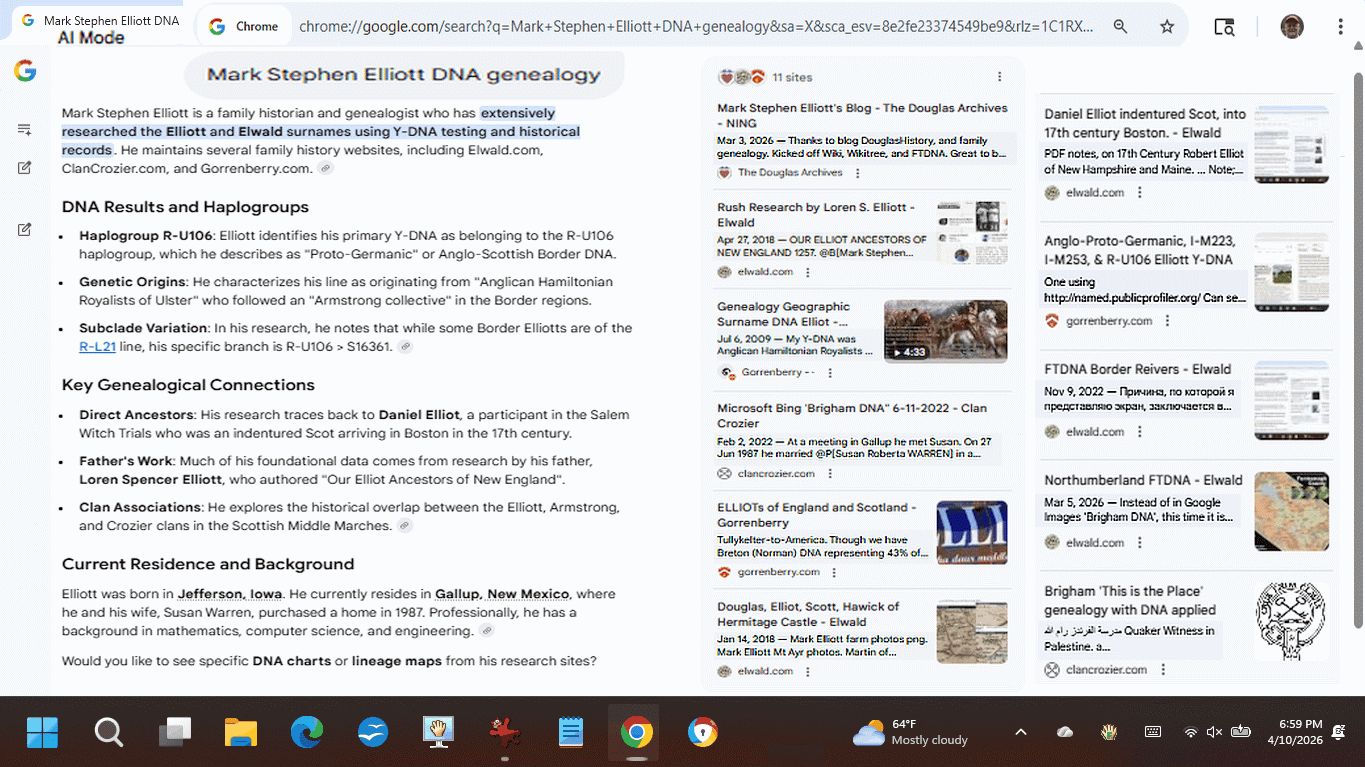
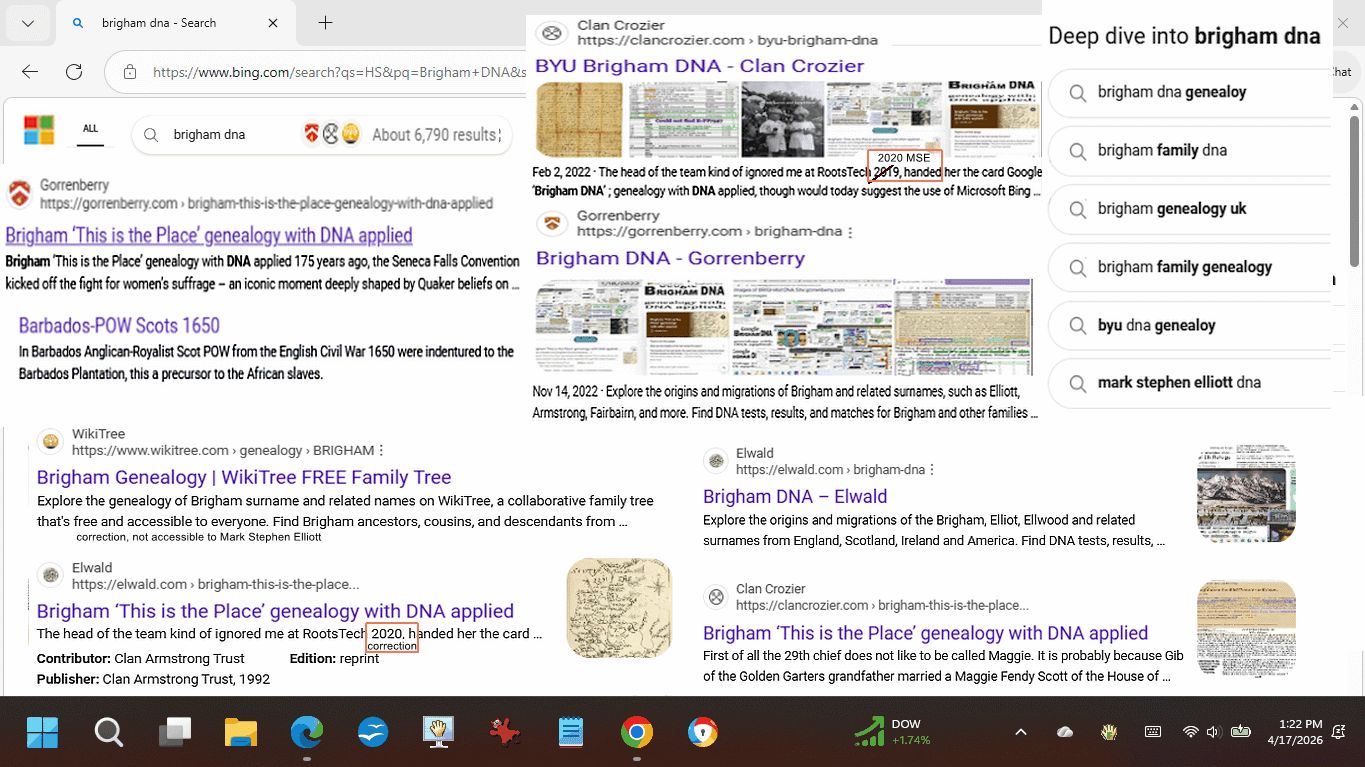
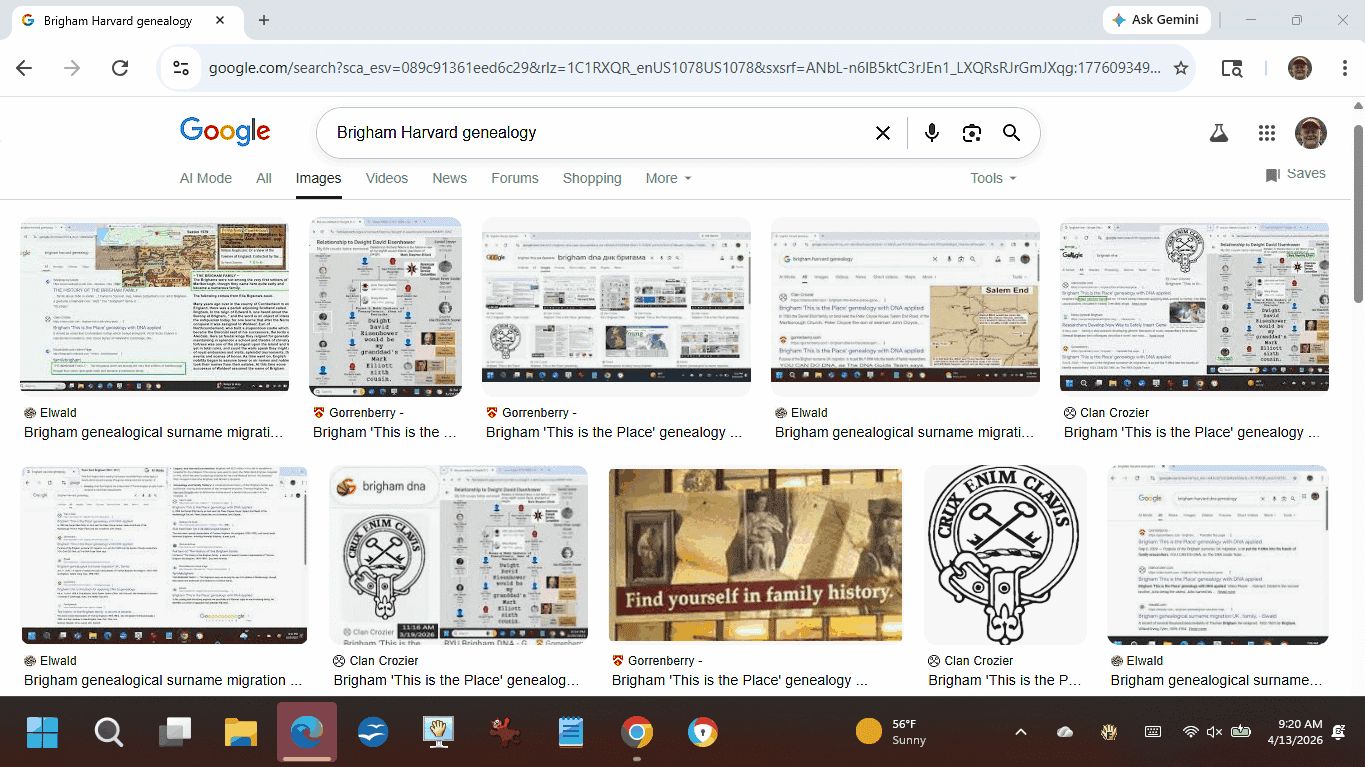
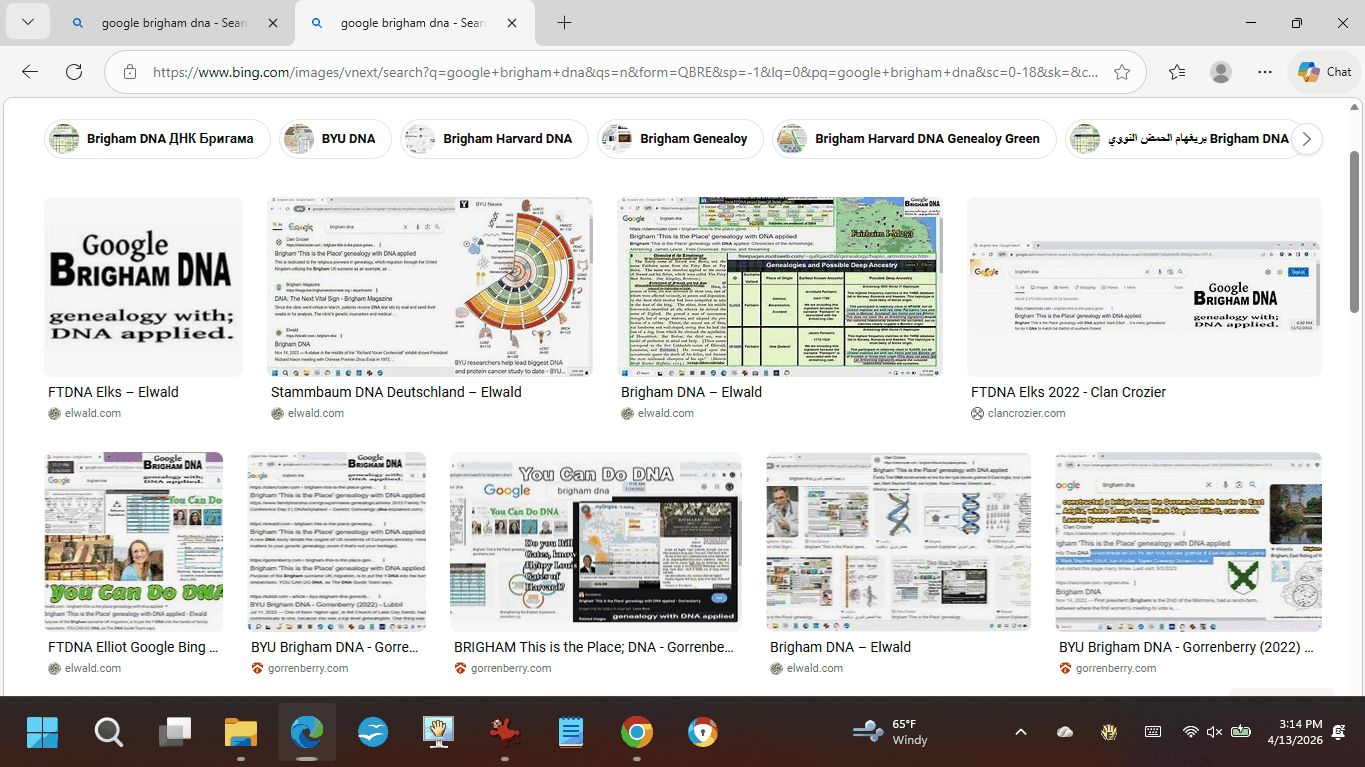
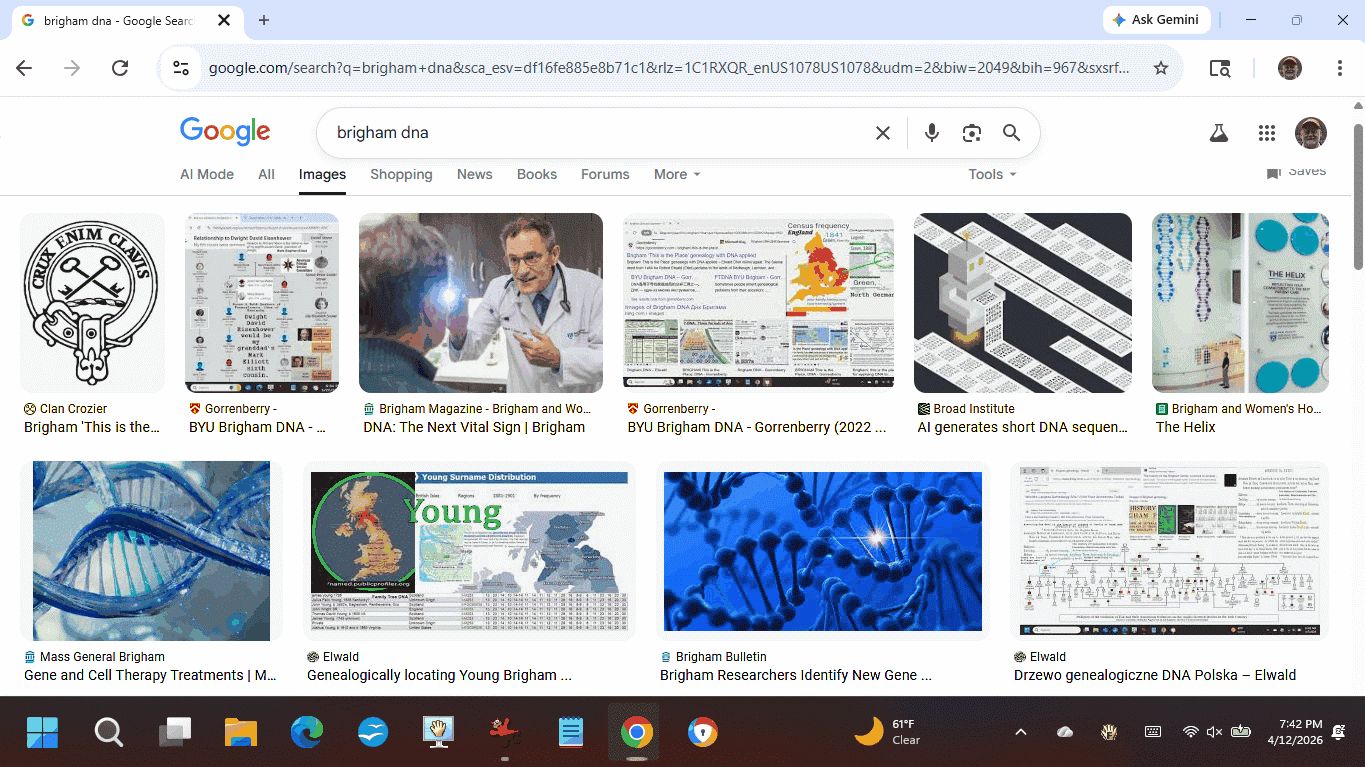
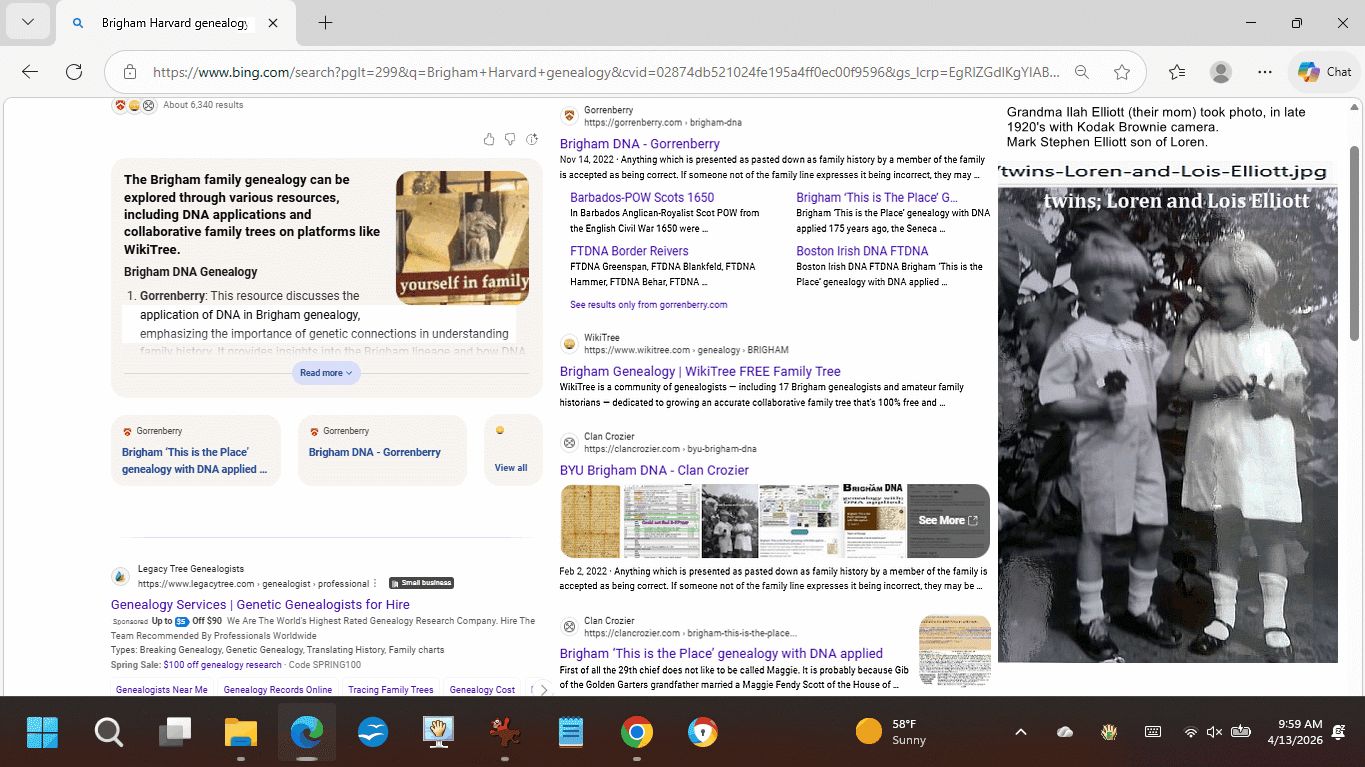
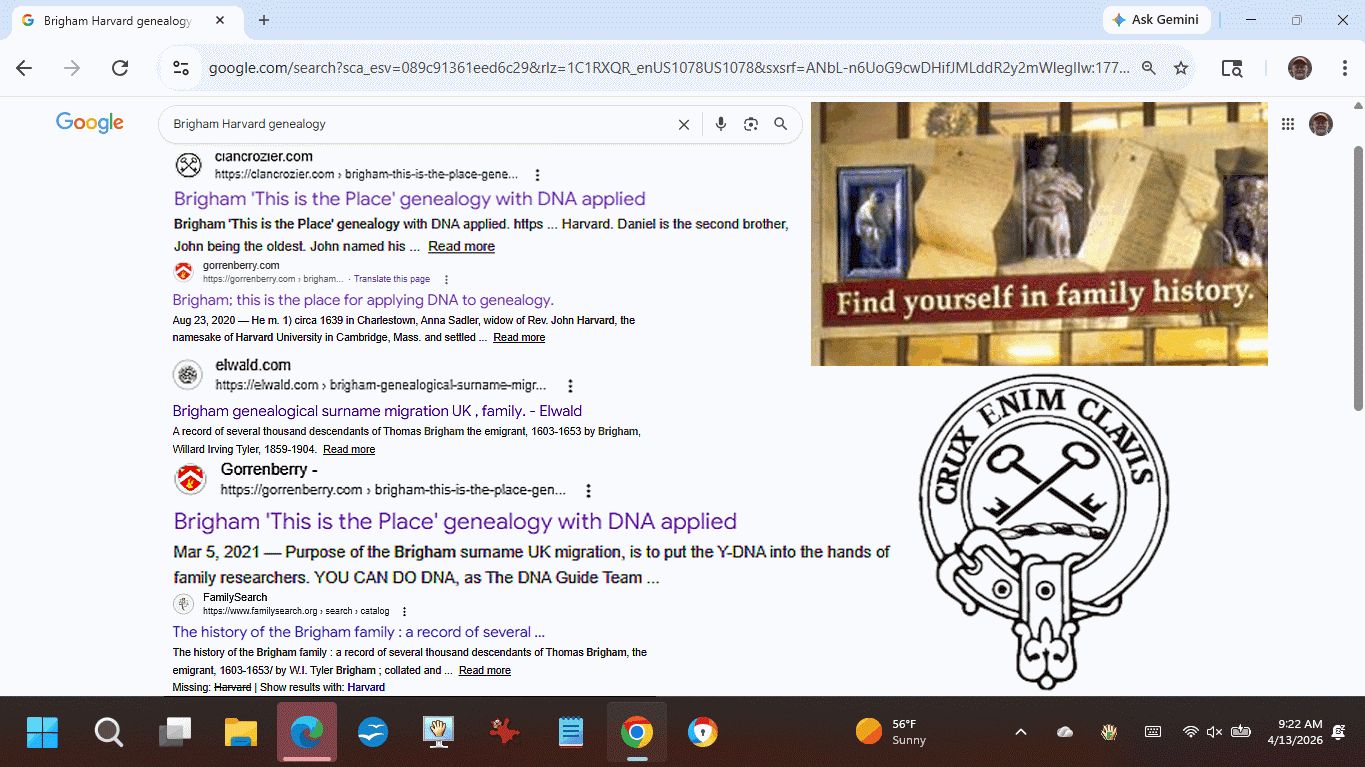
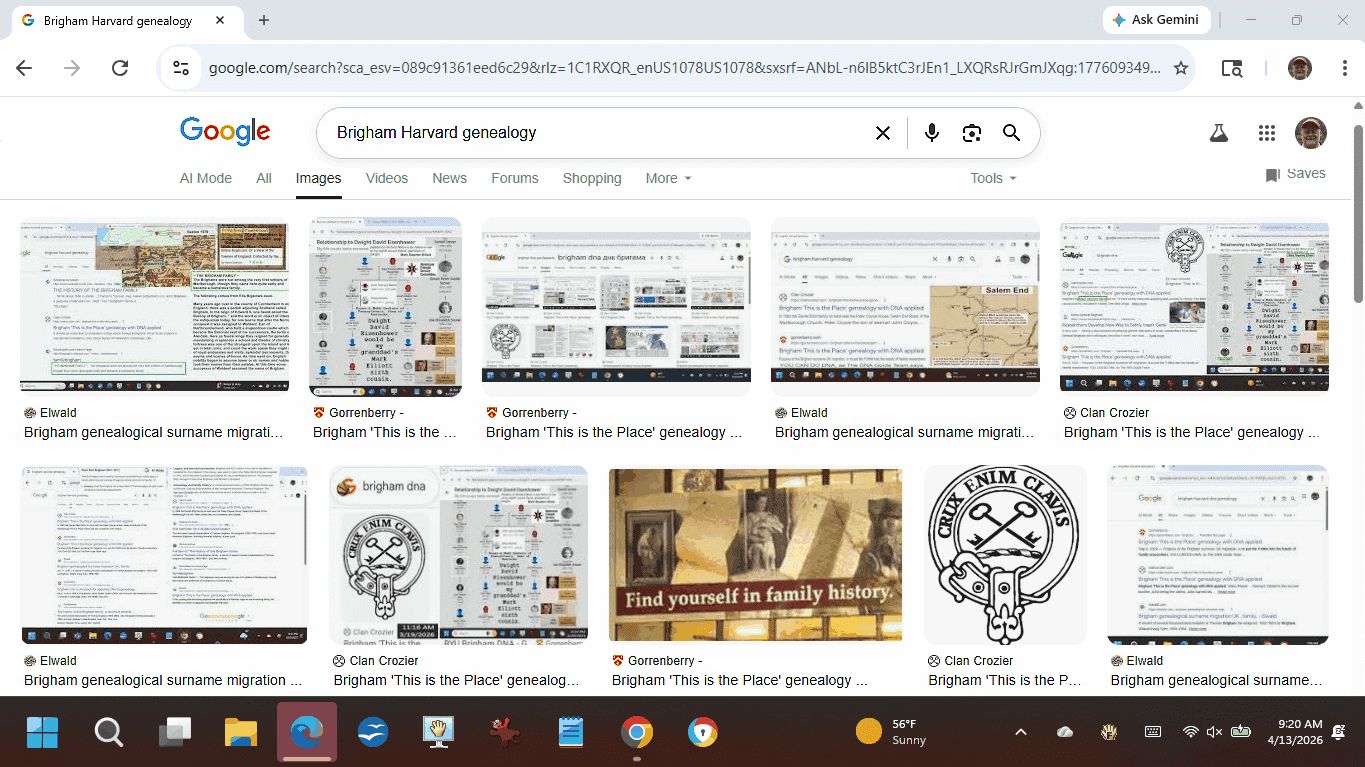
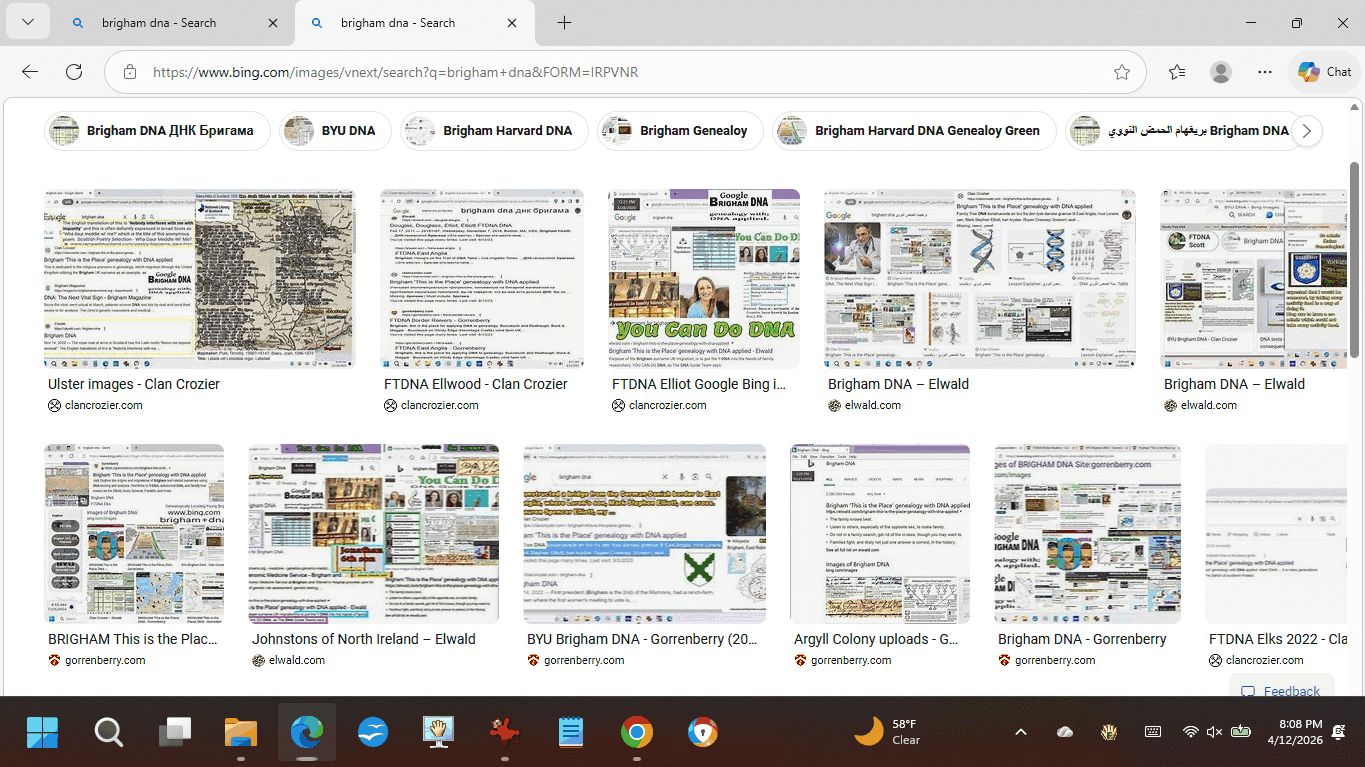
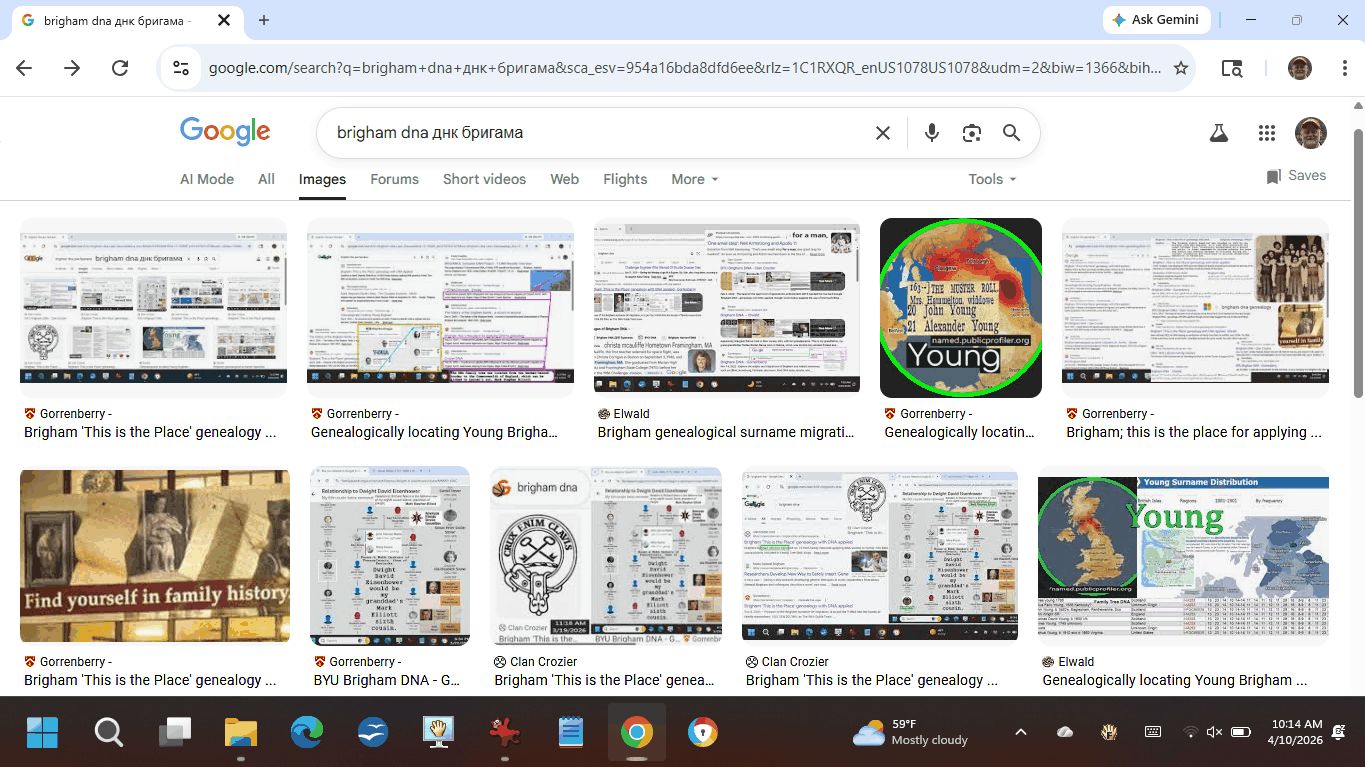
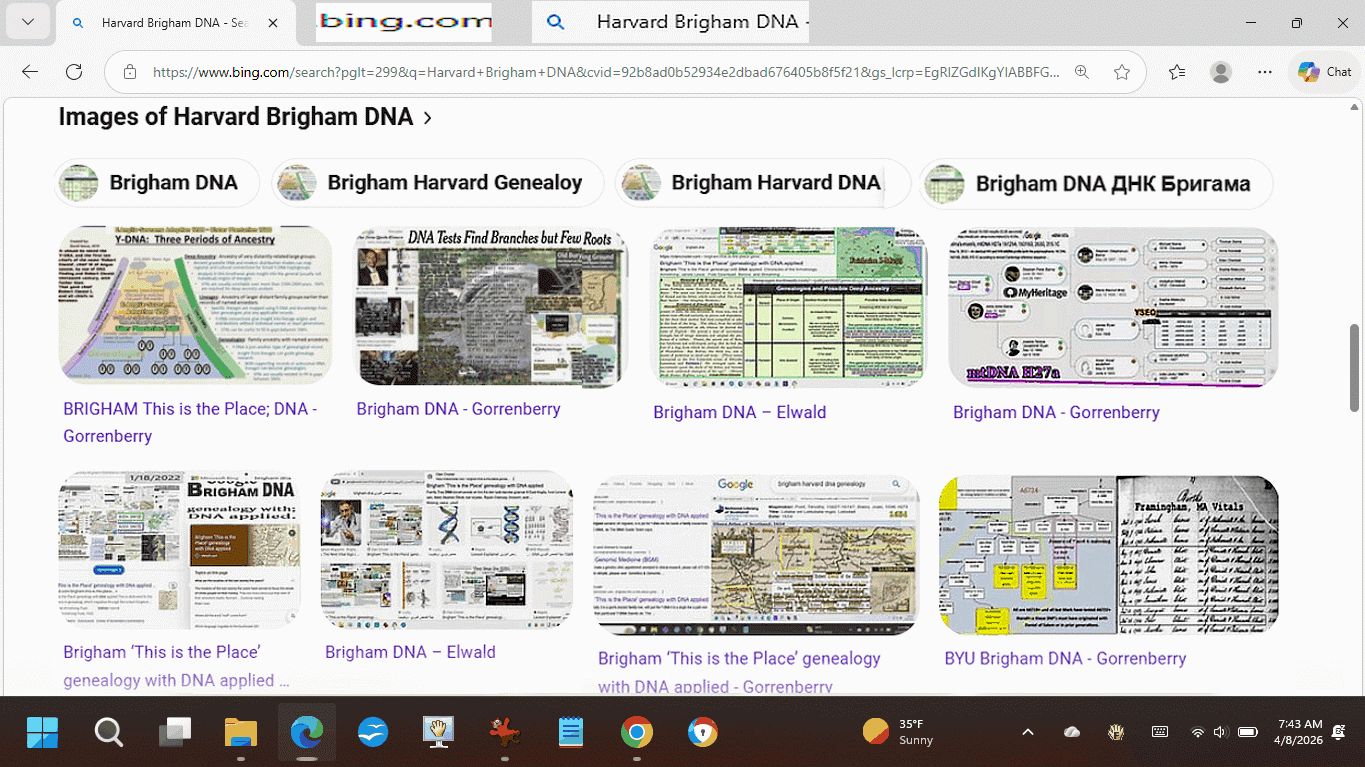
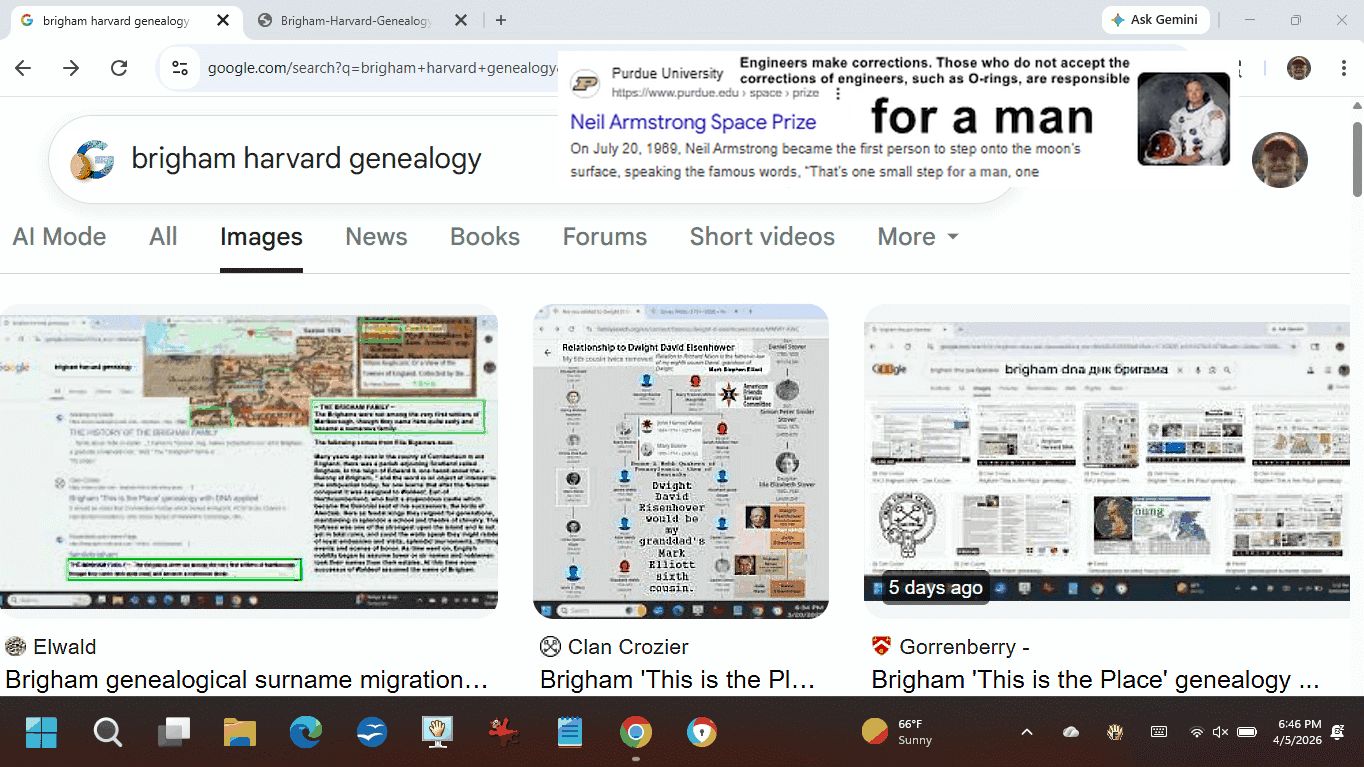
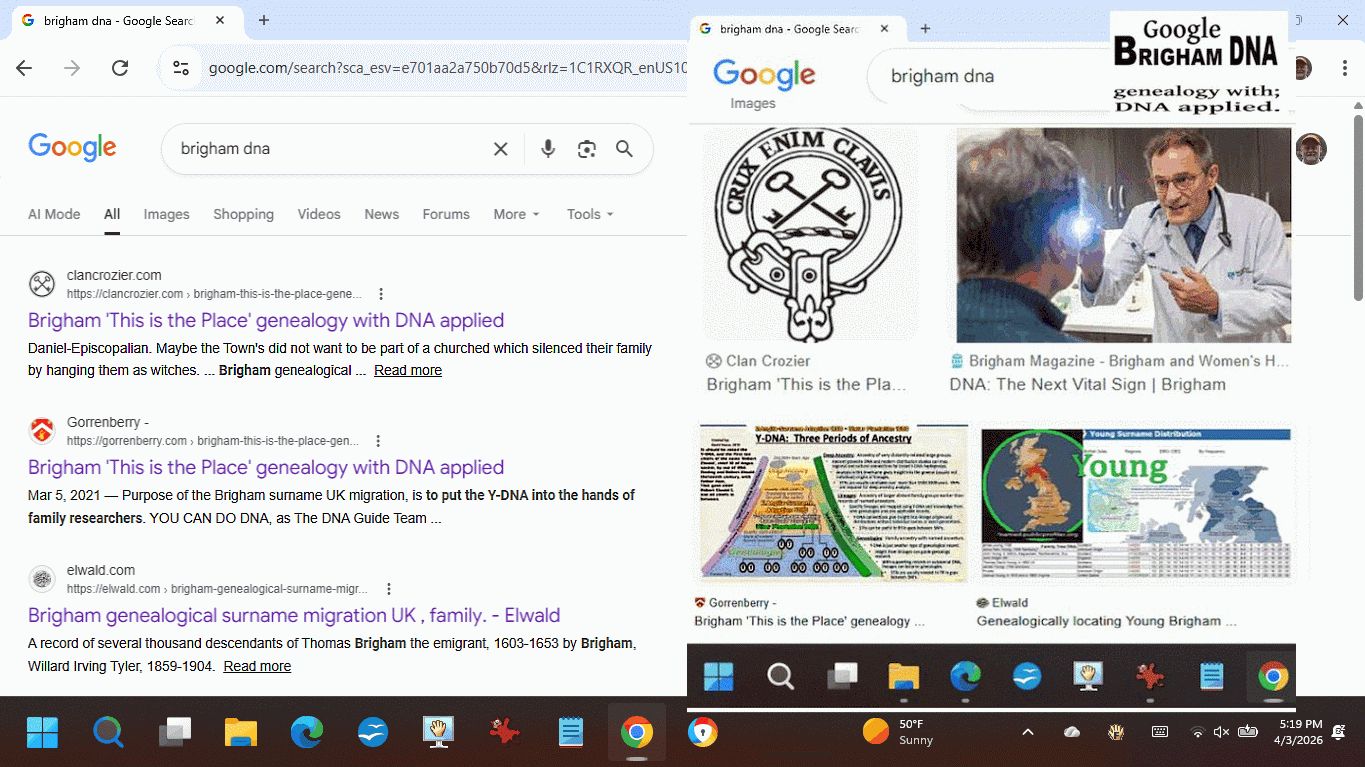
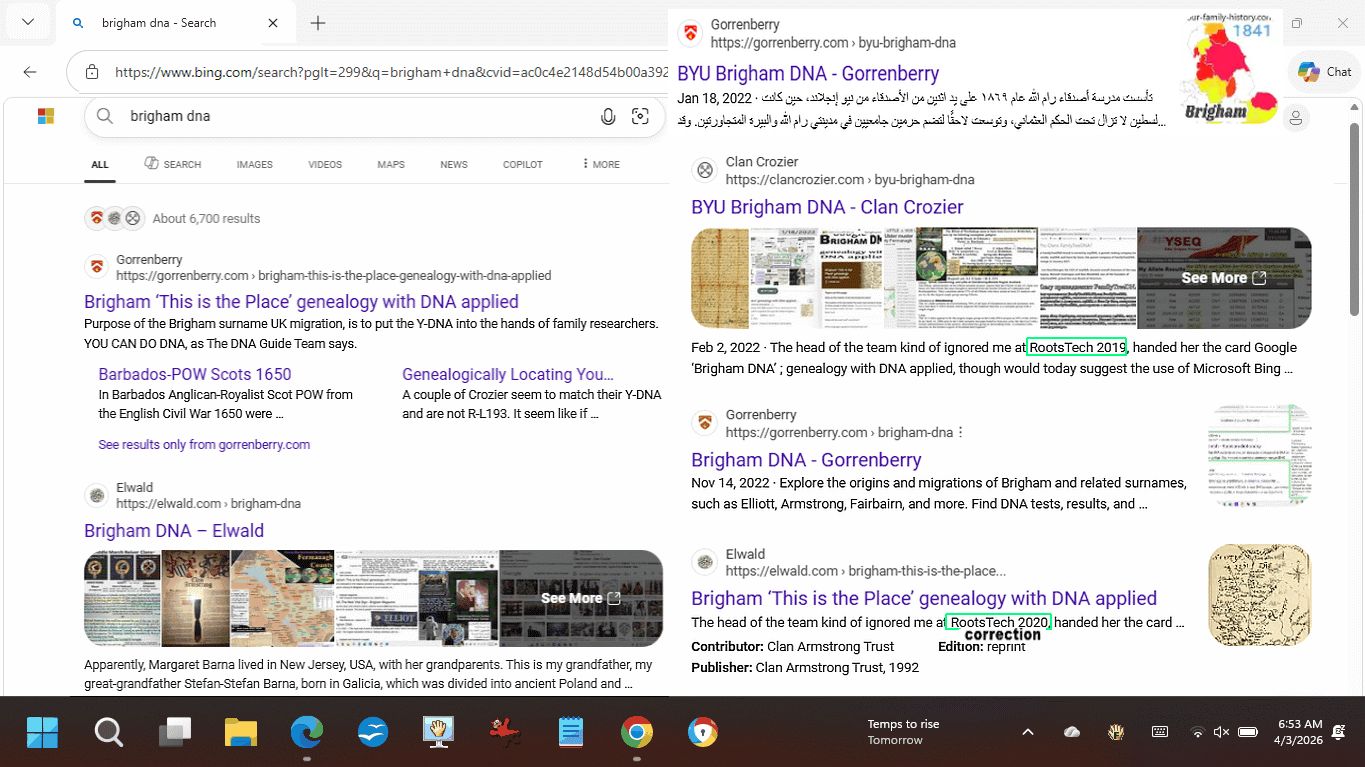
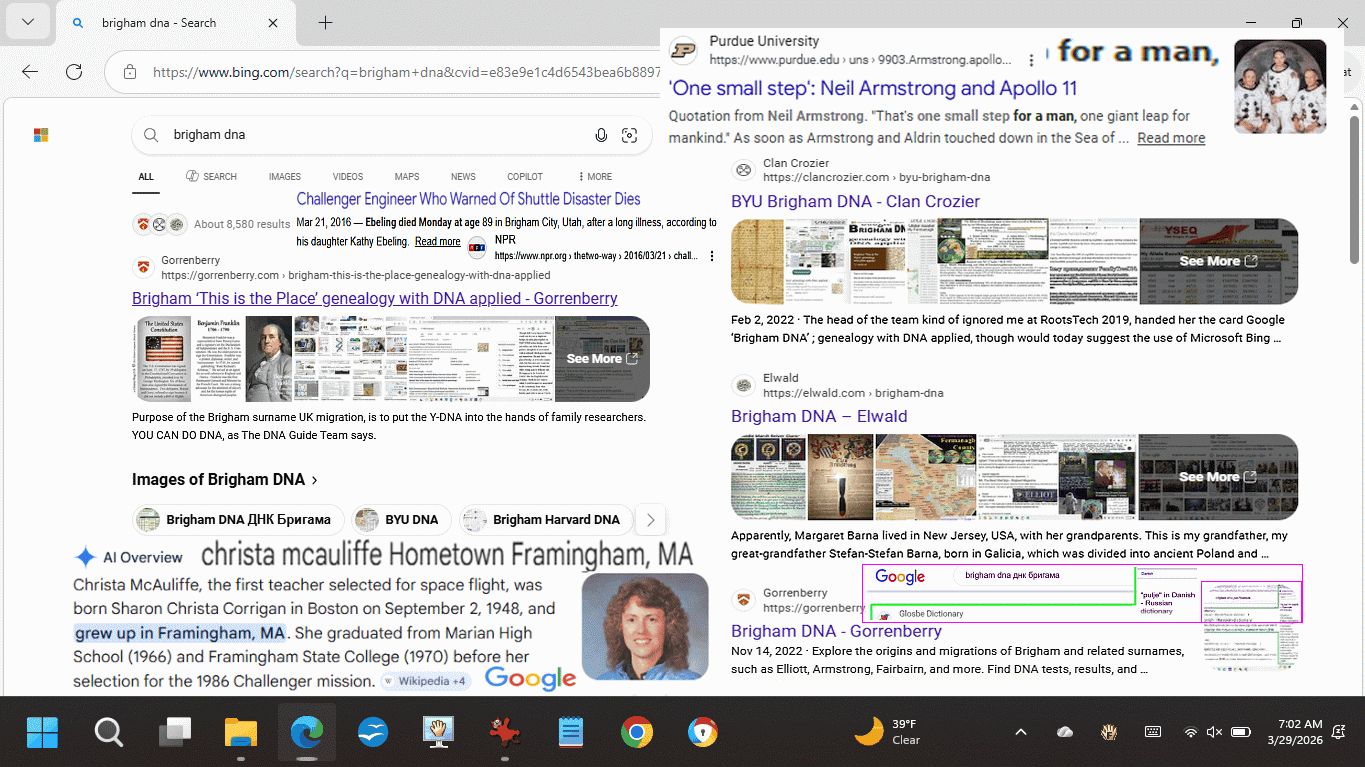
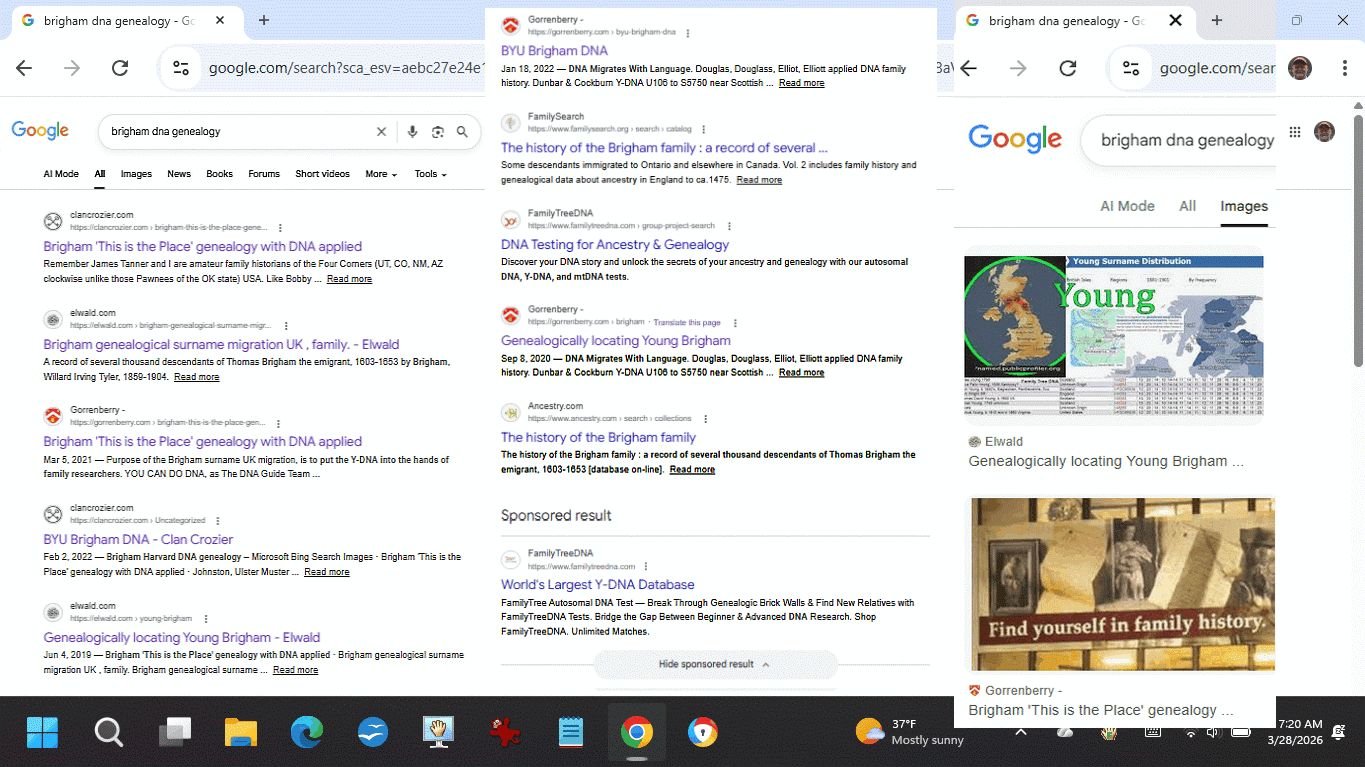
Brigham DNA genealogy – Microsoft Bing Search IMAGES


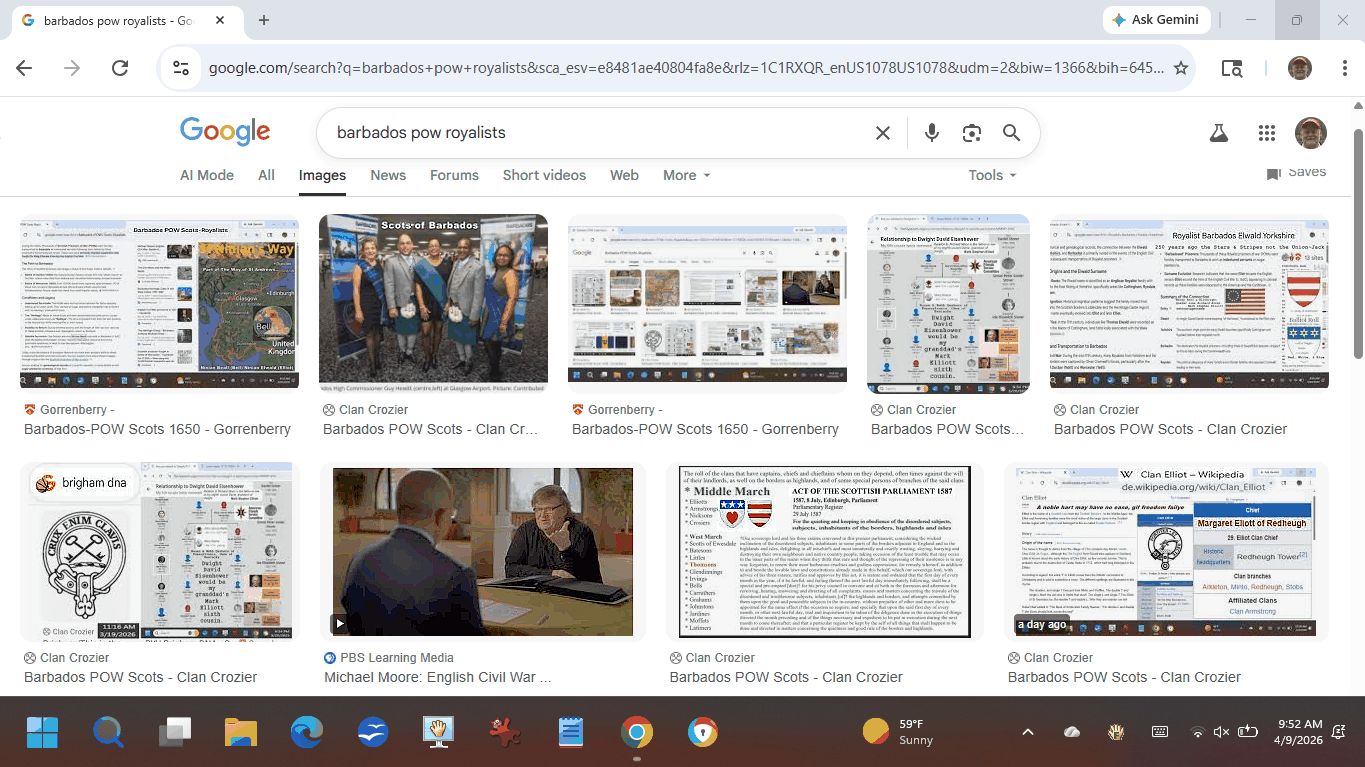
Michael Moore: English Civil War: Battle of Worcester 1651 | PBS LearningMedia


FamilyTreeDNA.com/Social-Photos/3935440

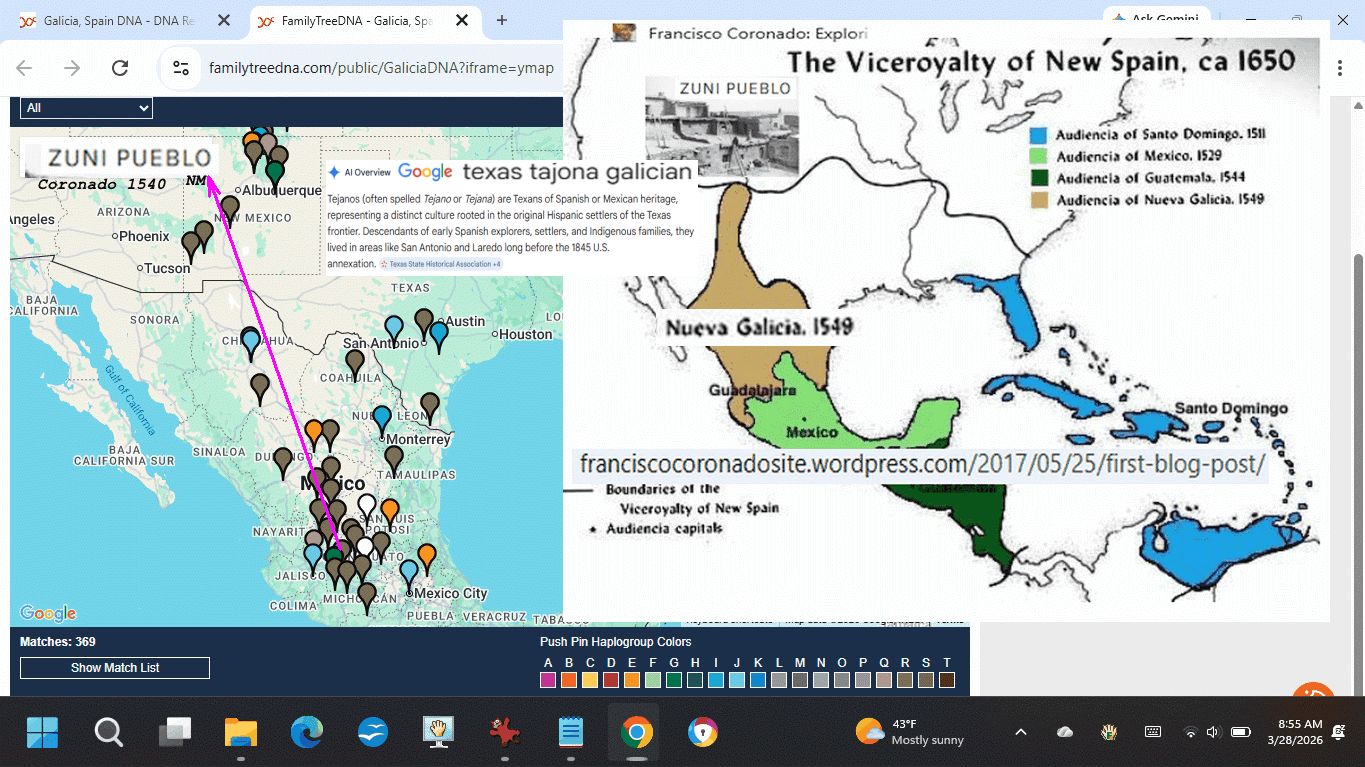
Even though residents of Flagstaff, Arizona, believe that Margaret Eliott of Redheugh—the 29th chief of the clan—wears a “Steel Bonnet” (a helmet), I cannot alter the fact that a wanted vagabond in the past was staying halfway between Flagstaff and Gallup, New Mexico. Mark Stephen Elliott

FamilyTreeDNA.com/Social-Photos/3595310
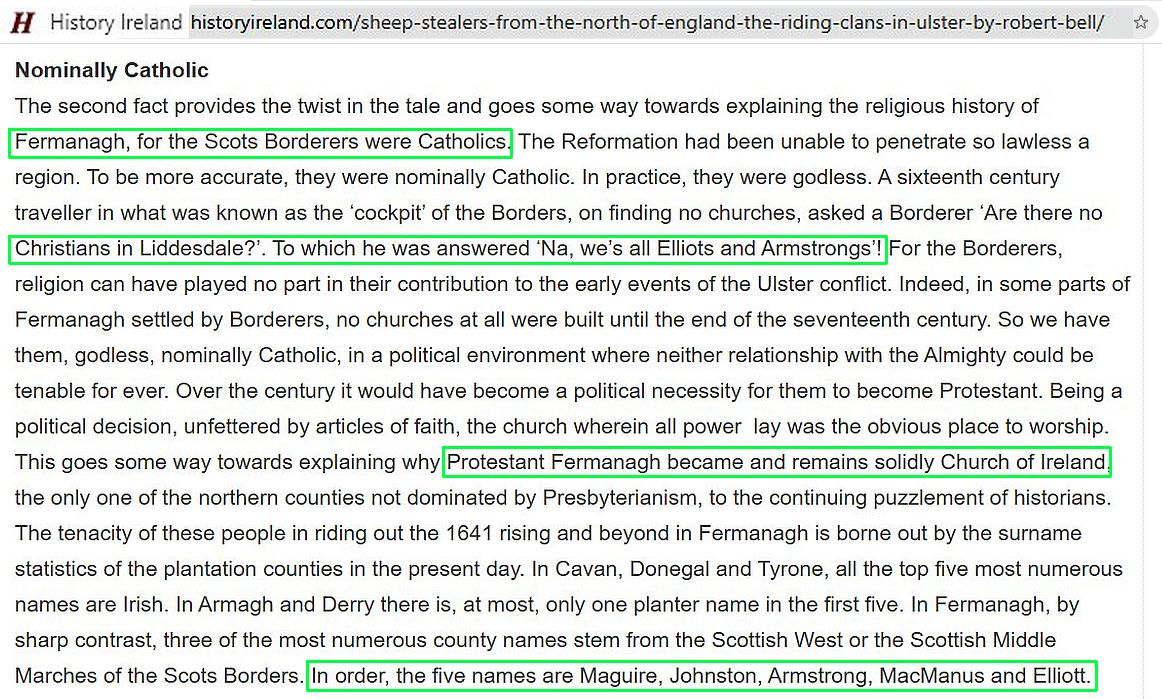
Die Riding Clans in Ulster von Robert Bell
Sheep-stealers-from-the-north-of-England-the-Riding-Clans-in-Ulster-by-Robert-Bell (2)


Chronicles of the Armstrongs; : Armstrong, James Lewis MD : Internet Archive.org


Chronicles of the Armstrongs; : Armstrong, James Lewis MD : Internet Archive.org


Chronicles of the Armstrongs; : Armstrong, James Lewis MD editor : Internet Archive.org


FamilyTreeDNA.com/Social-Photos/3935440


Tullaghoge Fort – the Ancient Inauguration Site of the O’Neill Dynasty


In CRIgenetics, and Ancestry.com my 1-2% West Nigerian Yoruba Nigerian shows. Feel CRIgenetics and Ancestry are running their labs independently.
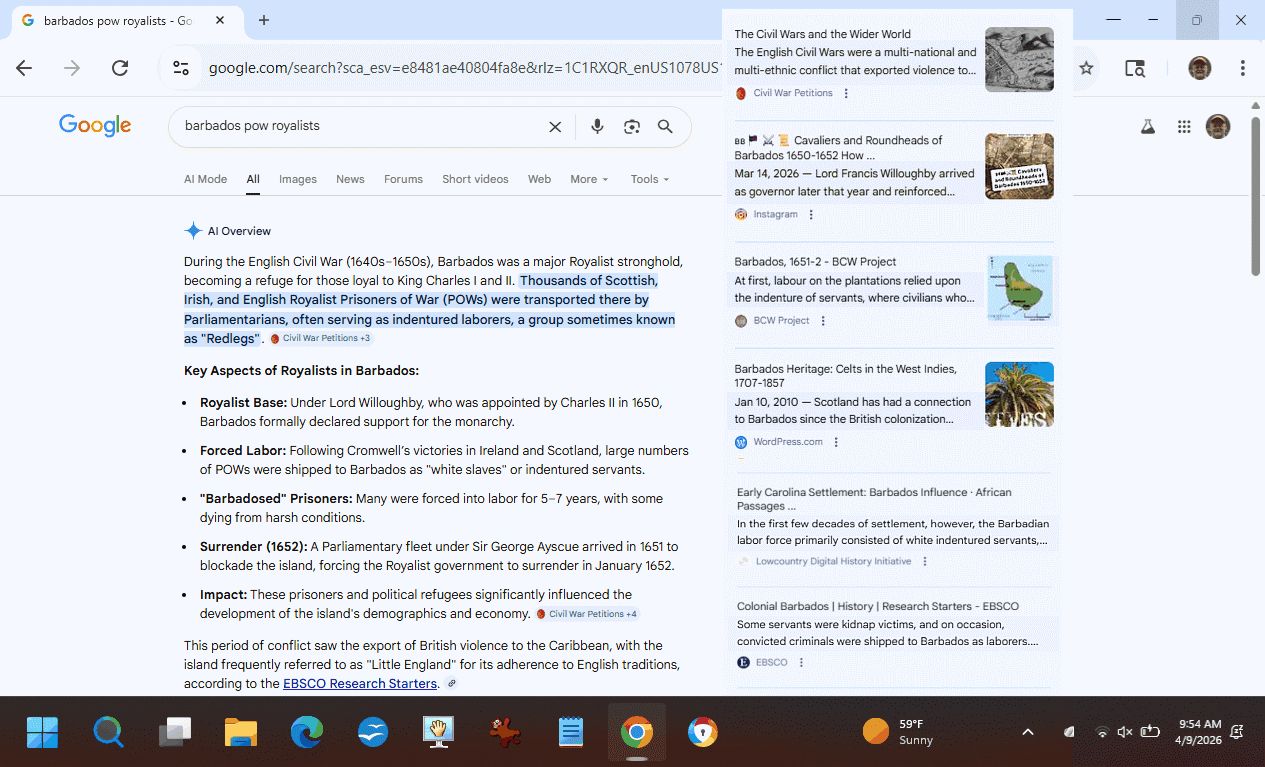
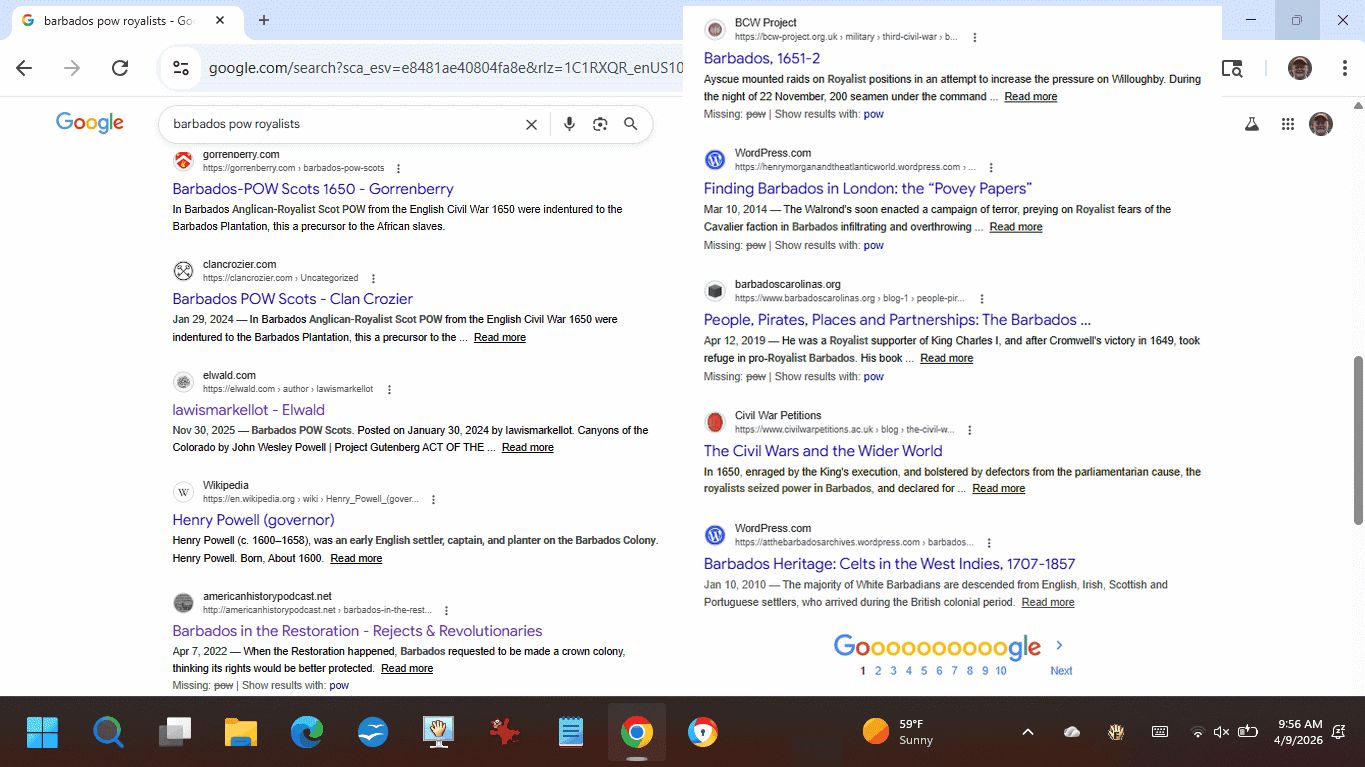
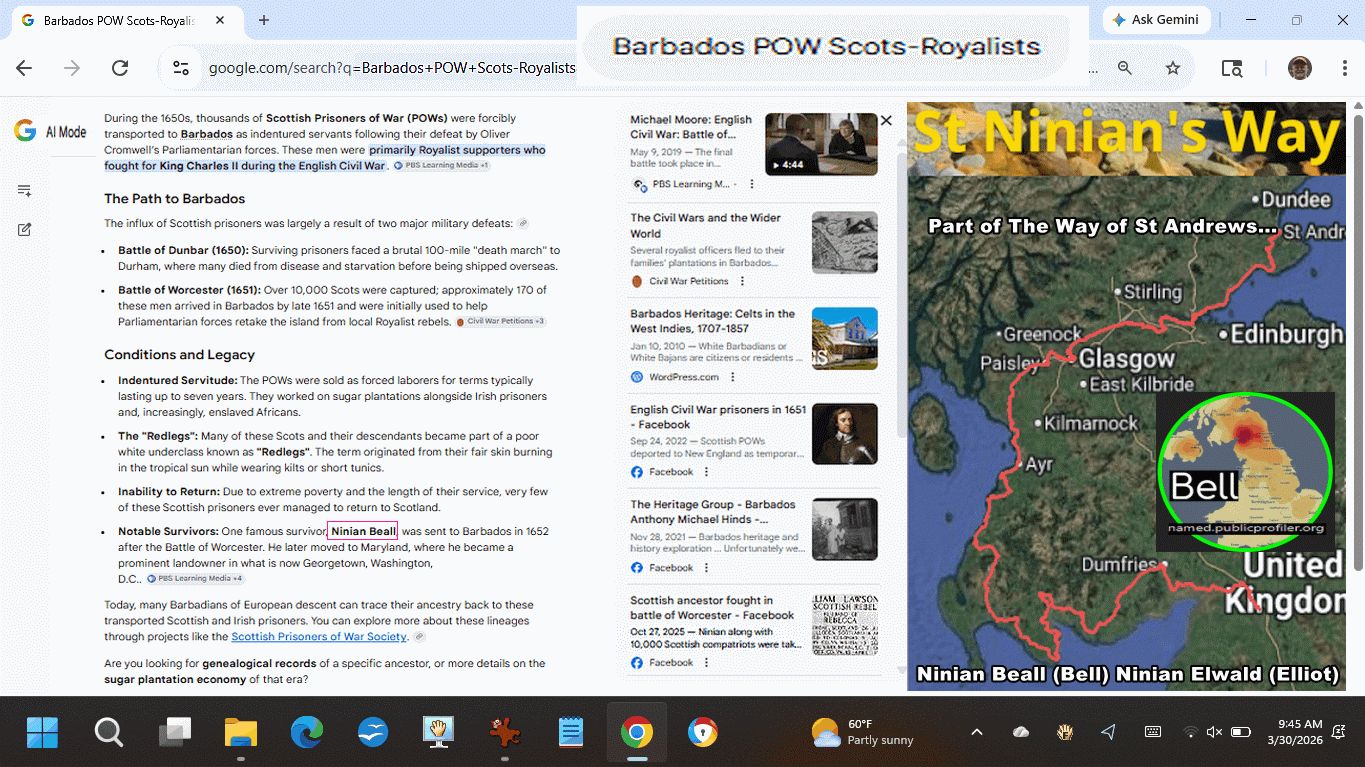
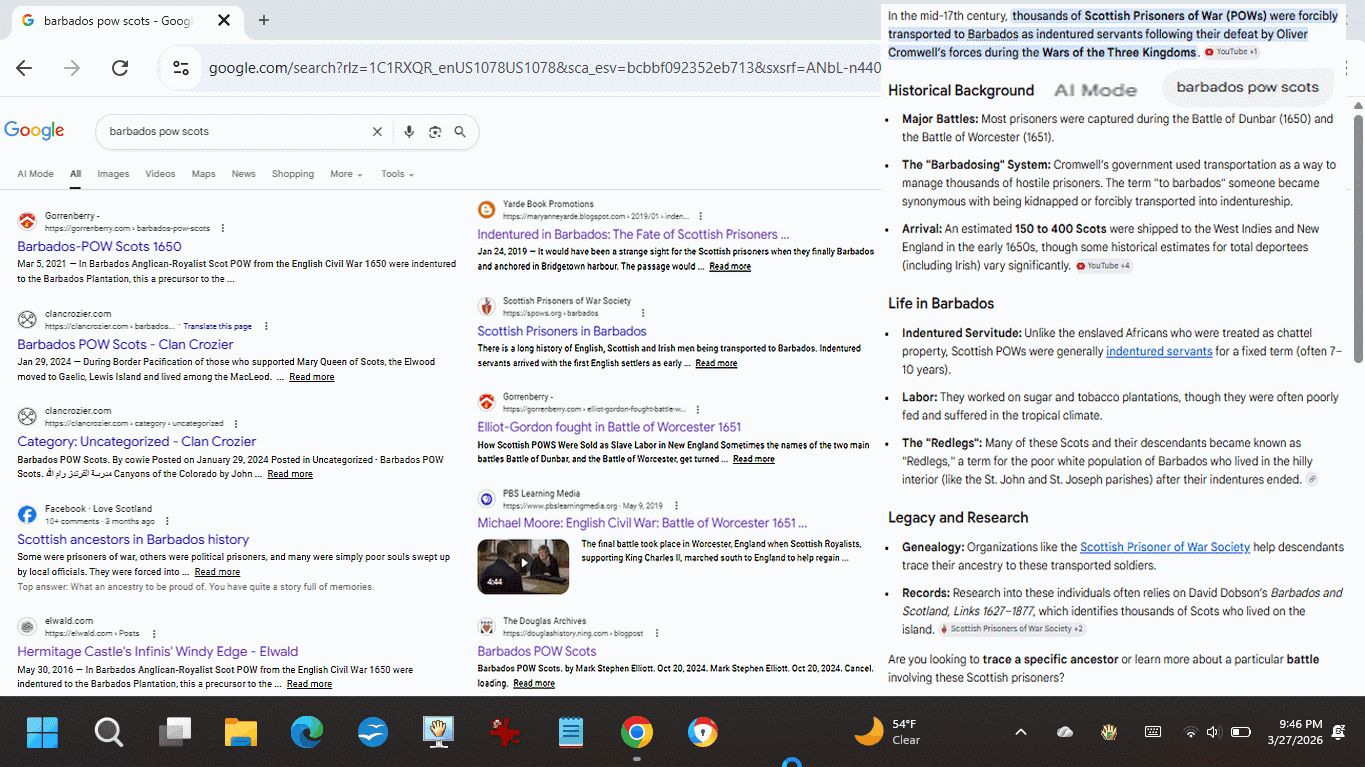
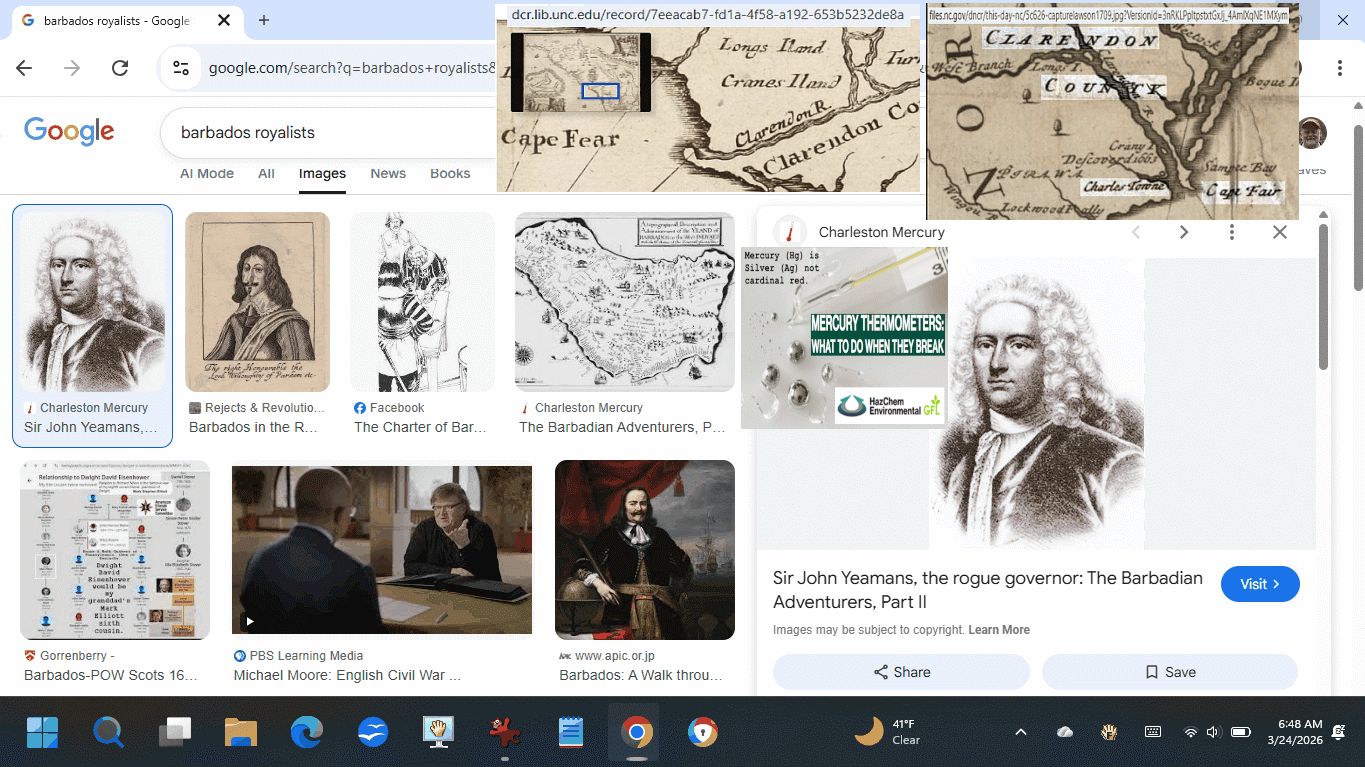
Have some African Carabean in me, designated Barbados. Family Hamiltonian Battle of Worcester Royalists sold to Puritan Harvard schooled Parlimintarians of the Tory type which family chased out of America in 1776. Contracted indentured Daniel Elliot of my Y-DNA line for a period of 6-8 years, this was a precusor to African slaves. As far as us Armstrong and Elliott are concern no one not even those Graham seem to want to admit they marry us. I hope those people from West Africa, don’t feel offended that Armstrong and Elliott married into their gene pool.
Mark Stephen (Stefan) Elliott (Elwald).


Tullykelter-to-America MSE.pdf

Dan-from-Scot1 MSE.pdf


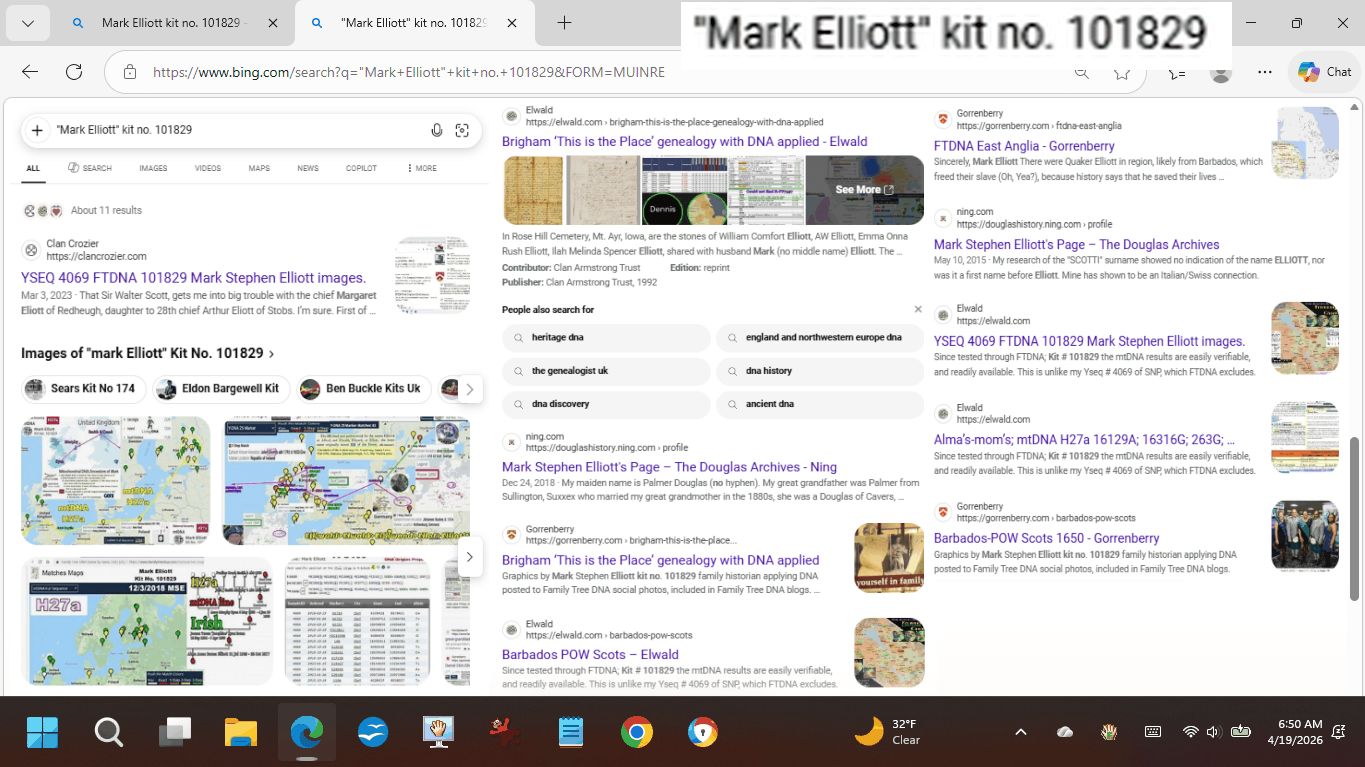
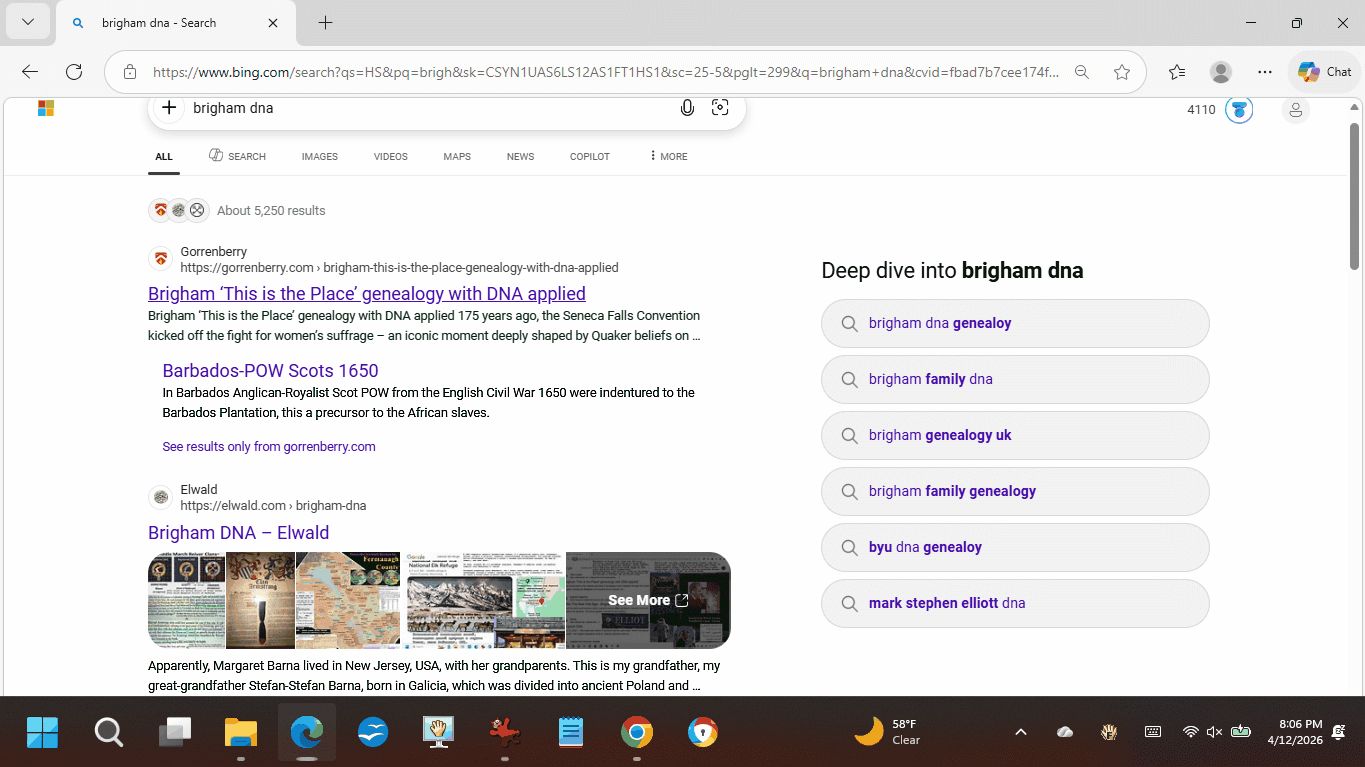
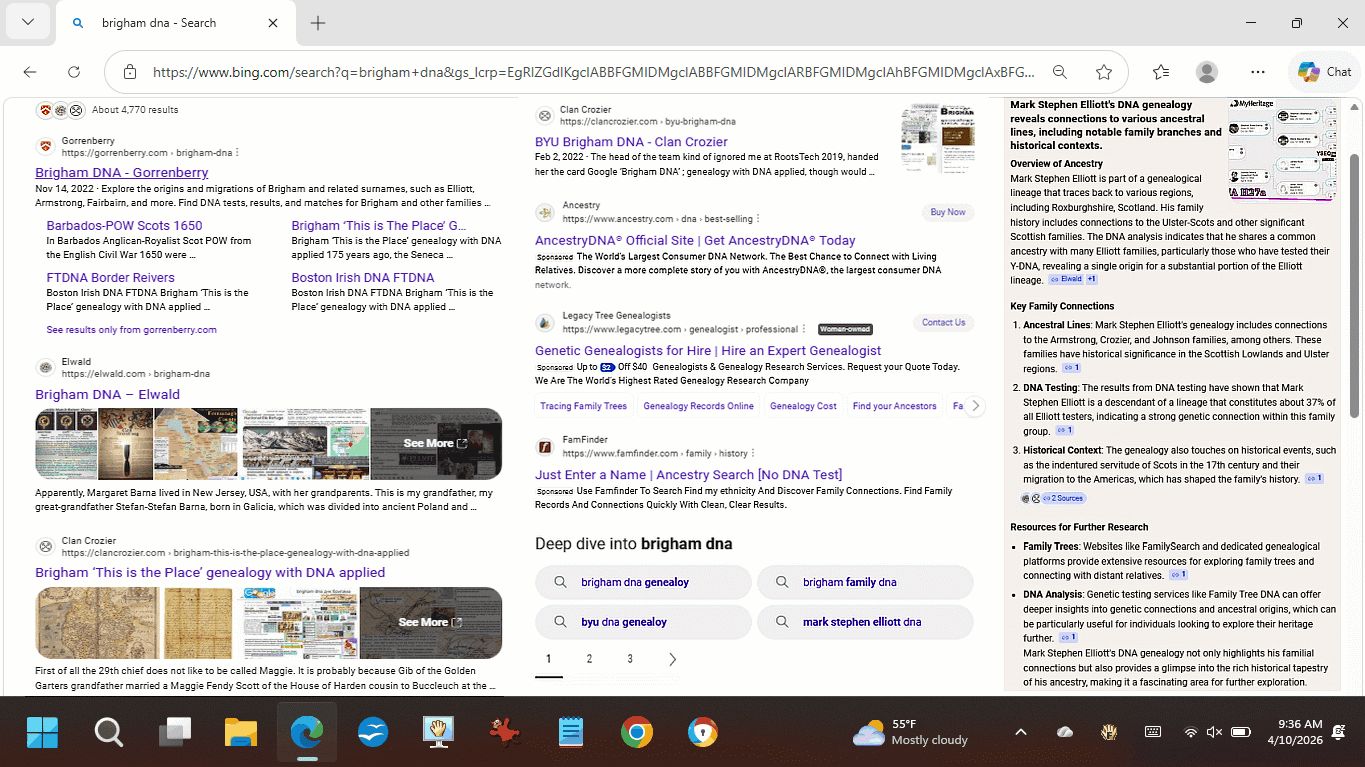
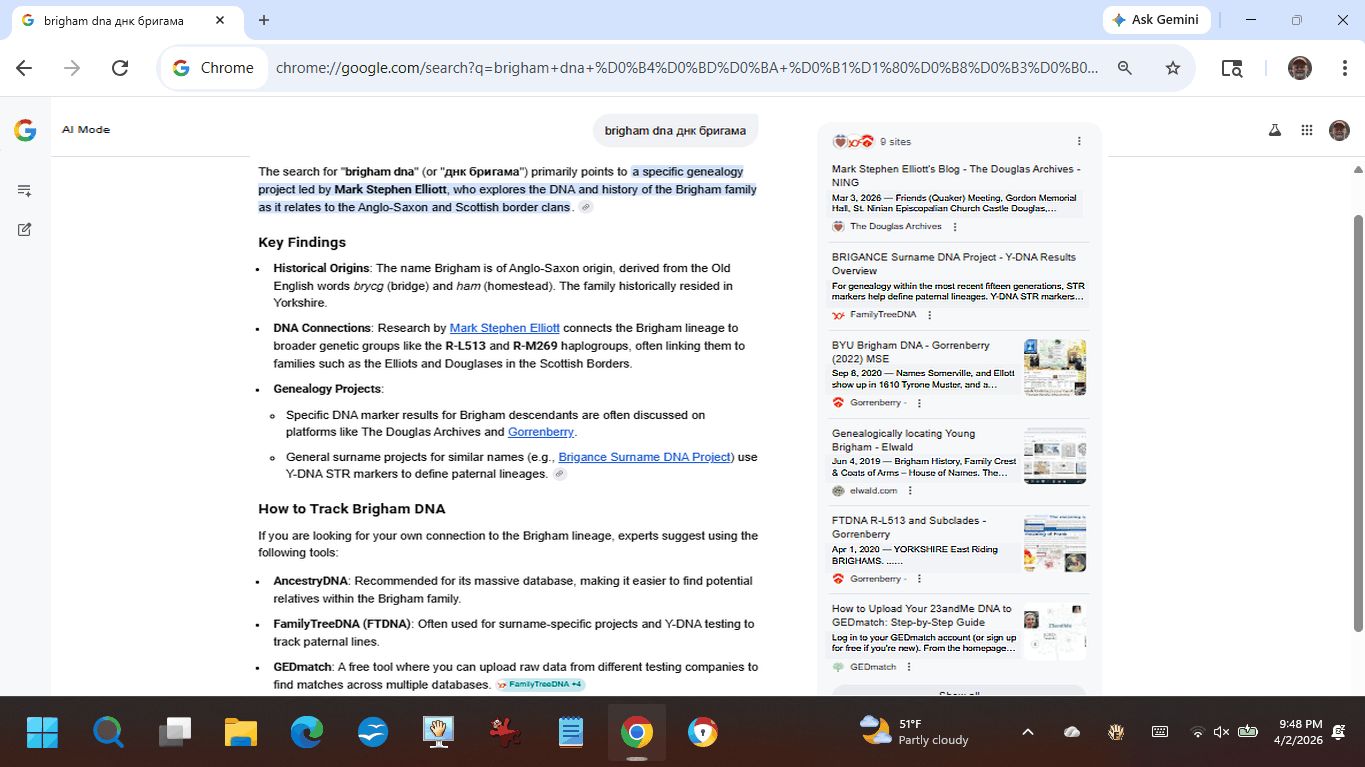
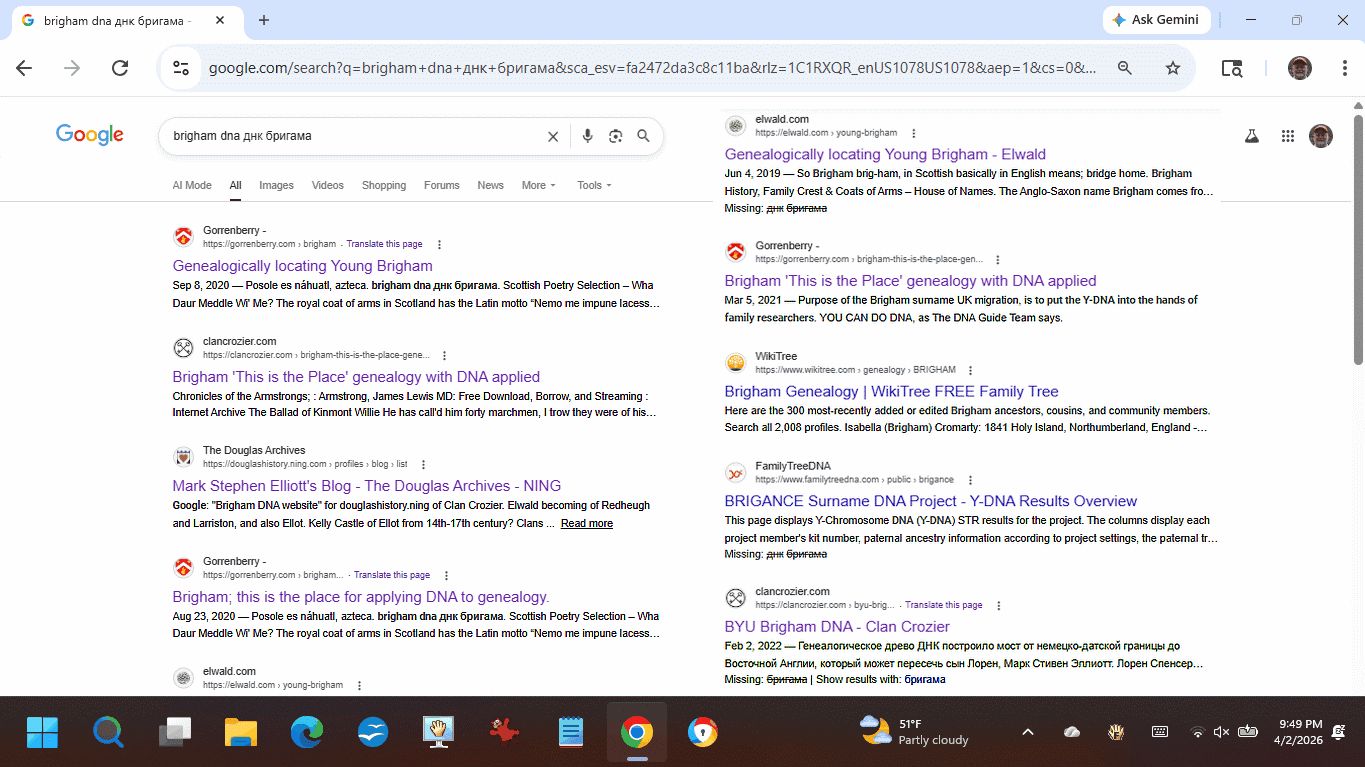
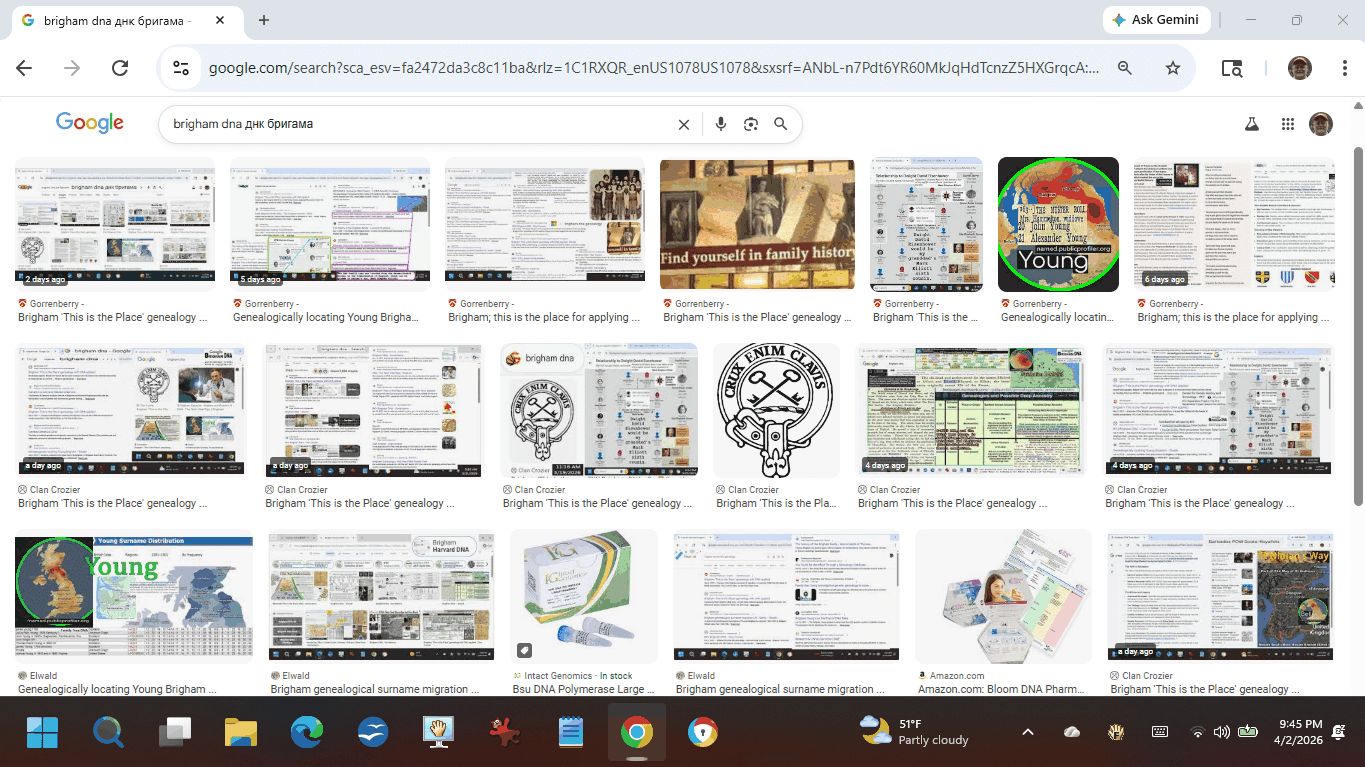
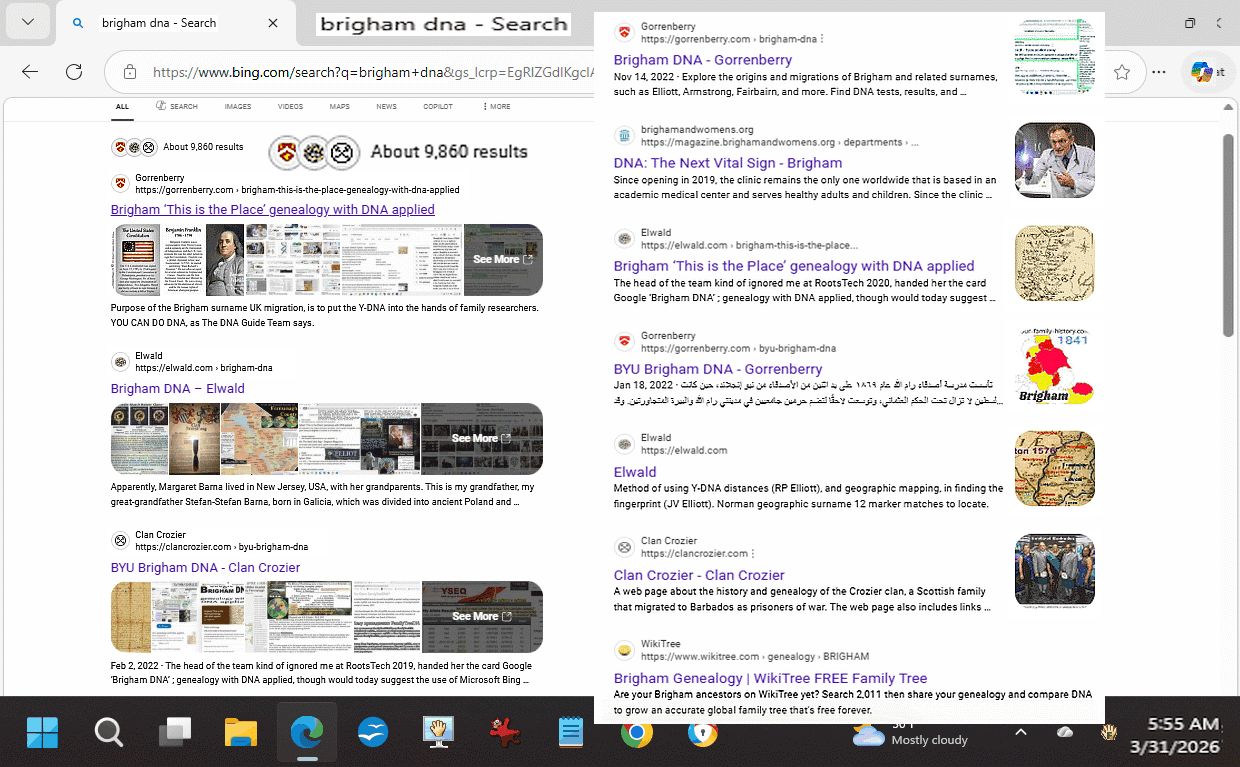
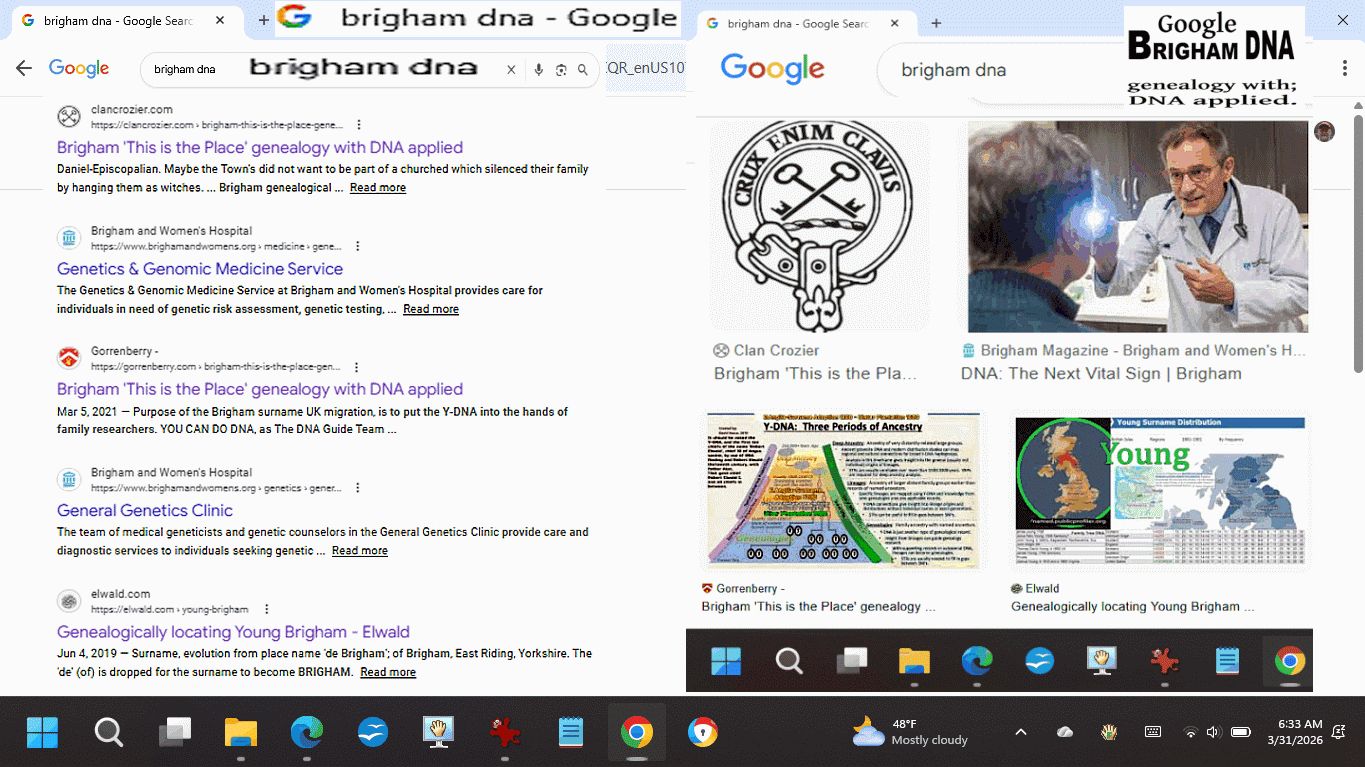
Brigham DNA – Bing Image Search


Armstrong Elliott Nixon Crozier – IMAGES Microsoft Bing CoPilot Search


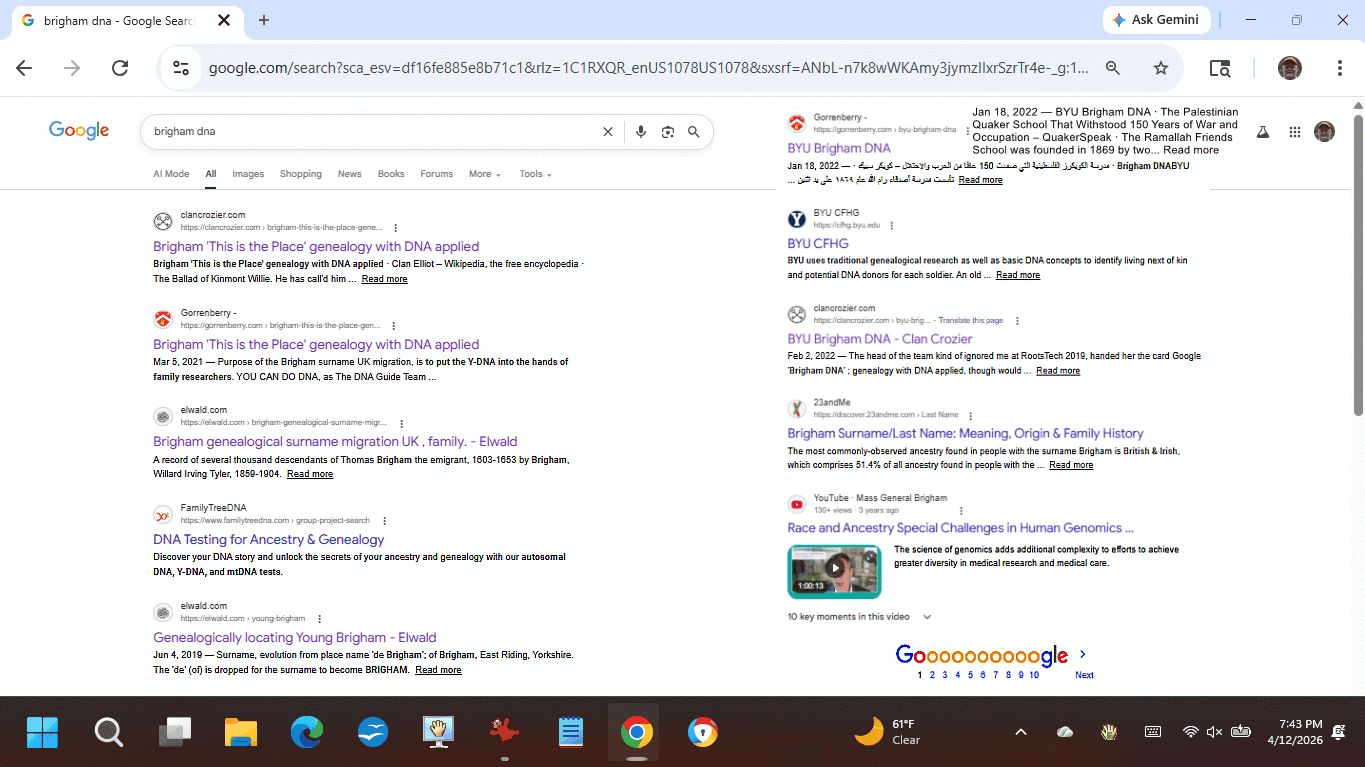
brigham dna – Search Bing IMAGES


FamilyTreeDNA.com/Social-Photos/4498710


FamilyTreeDNA.com/Social-Photos/3562799
FamilyTreeDNA.com/Social-Photos/4498710 Daniel Elliott cluster


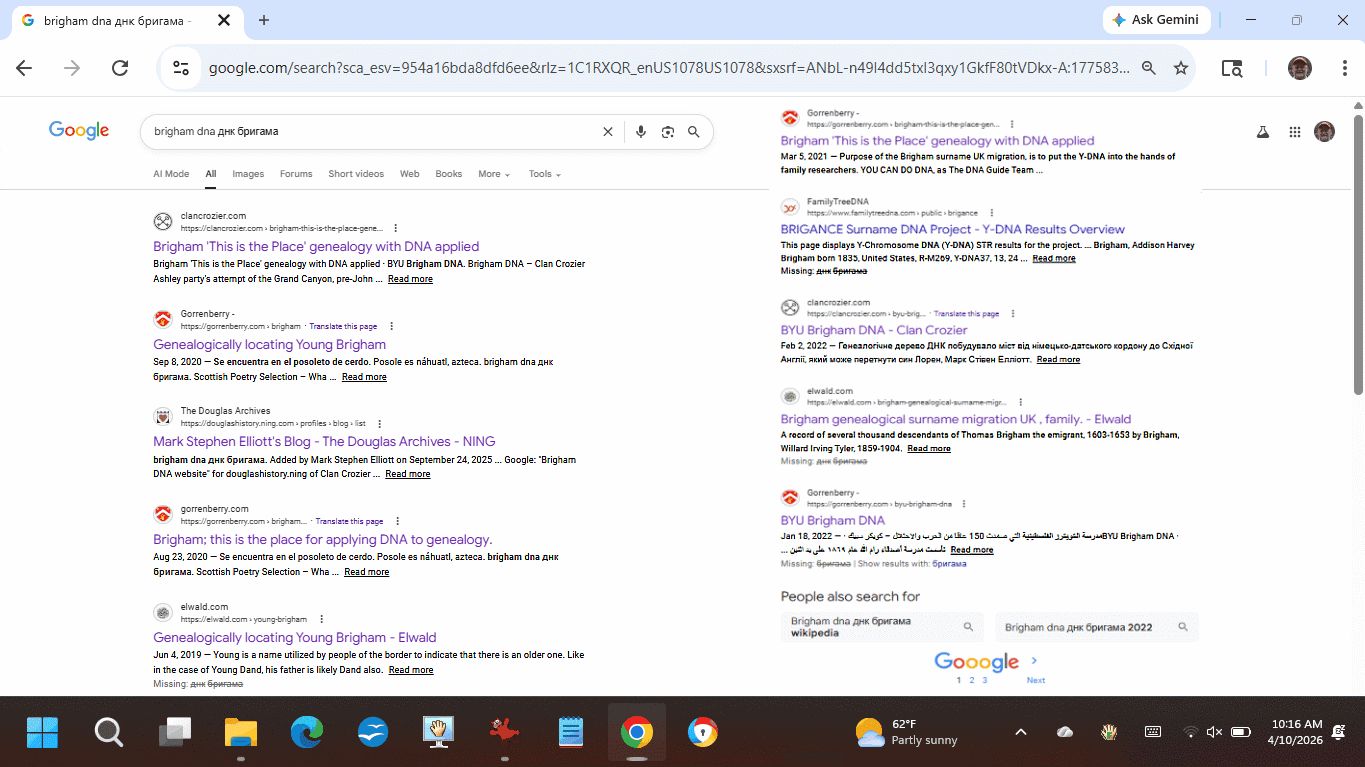
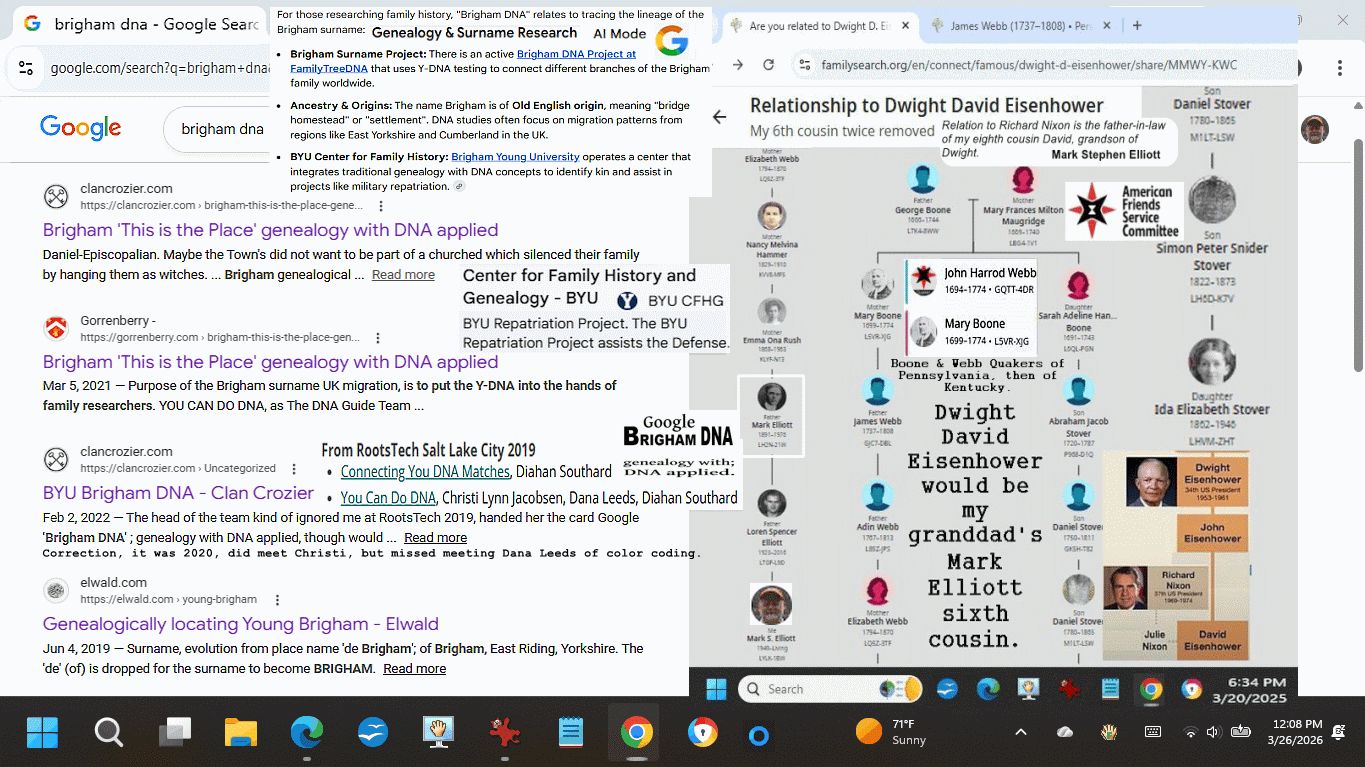
«У вас есть возможность использовать данные ДНК в генеалогических исследованиях» — так утверждает высококвалифицированная команда специалистов по генетической генеалогии из Солт-Лейк-Сити, получивших образование в Университете Бригама Янга. Они выступали на конференции RootsTech 2020 — мероприятии, в котором принимали участие и представители России. У этих женщин есть дочери и матери; в своих собственных генеалогических изысканиях я должен уделять особое внимание этим бабушкам и, в частности, «MOMS» (матерям сыновей-мормонов).
Марк Стивен Эллиотт
Исследователь семейной истории


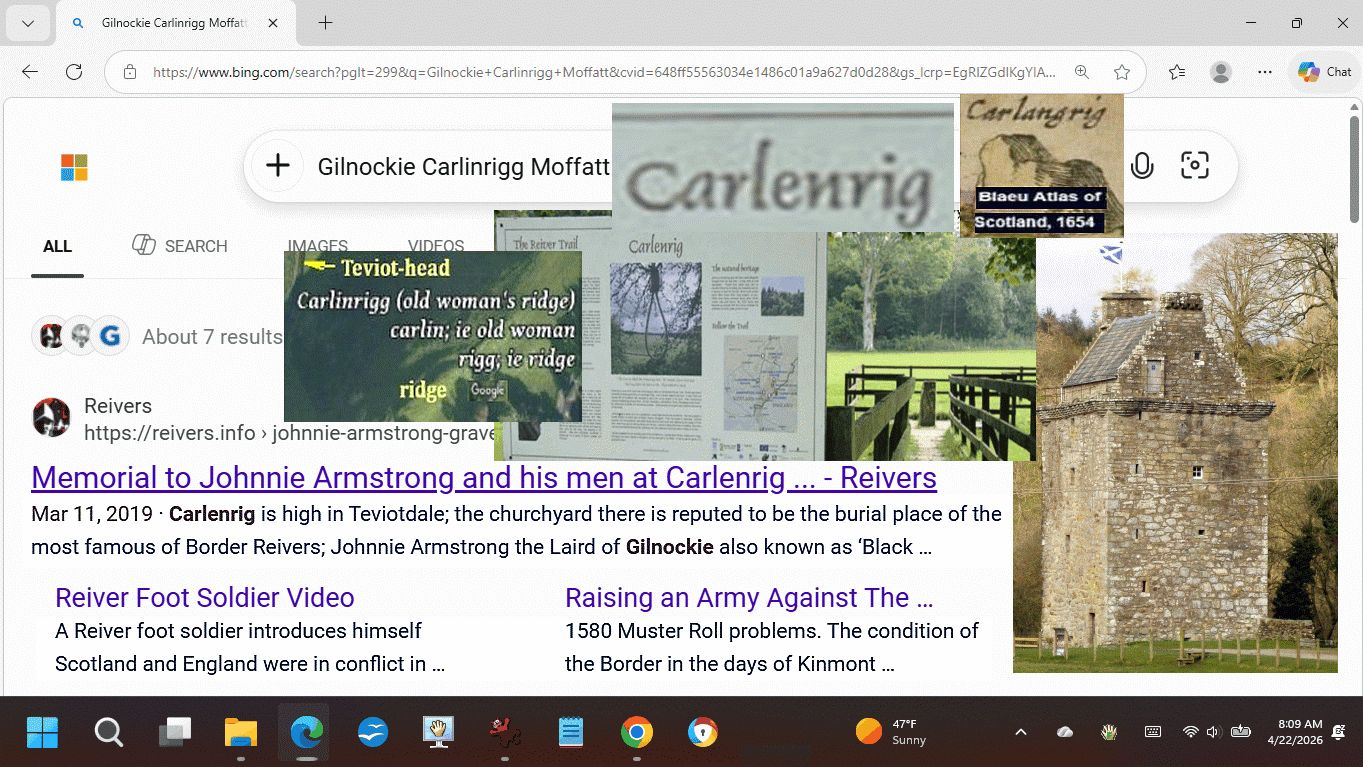
1992 photo copy reprint by and supplied by the Clan Armstrong Trust was used in Time Team’s Ep5 of Johnie Armstrong. MSE


What’s an Elliott of Clan Elliot? – Elwald
Finding Daniel Elliot’s father because of my father-Elwald.pdf


Chronicles of the Armstrongs; : Armstrong, James Lewis : Internet Archive.org


Clementis-Hob1.pdf


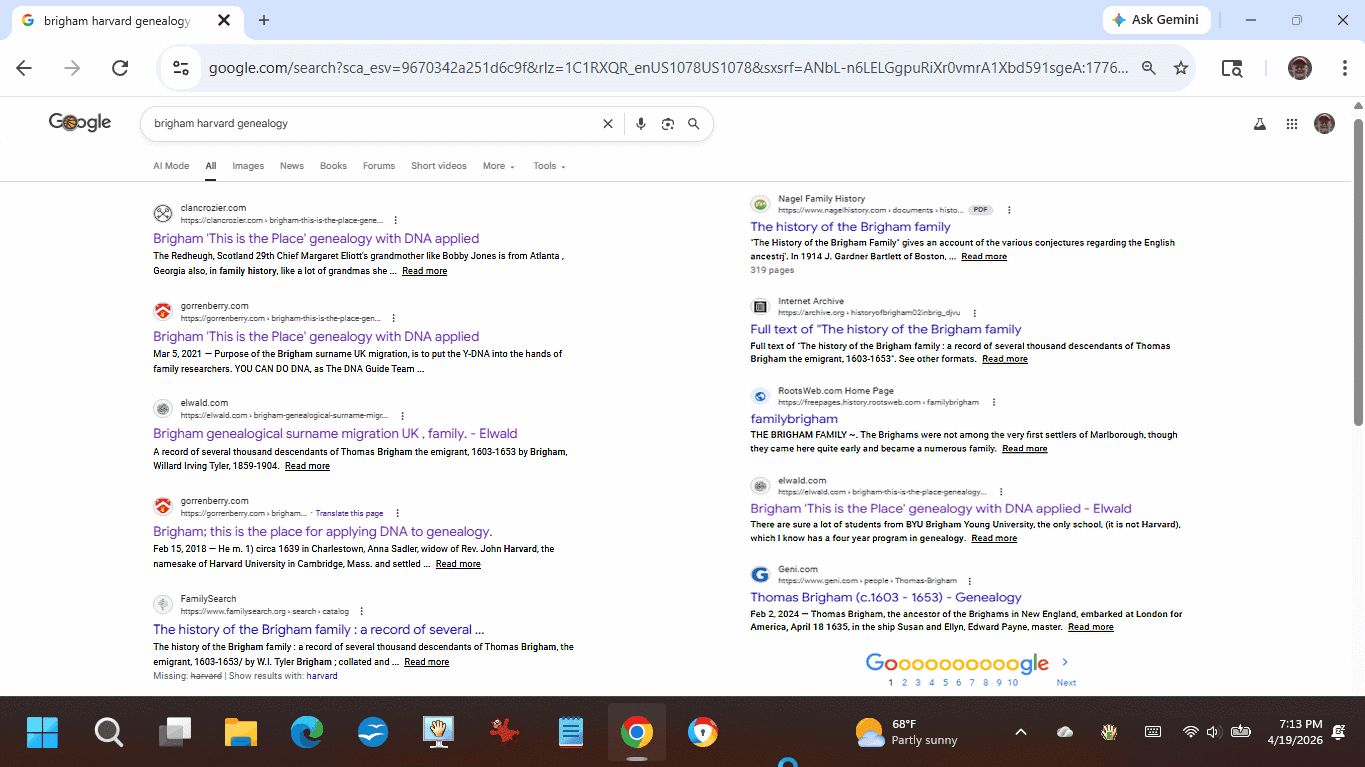
Brigham DNA – Gorrenberry


Family Tree DNA Social Photos 4498710 (849×501)


‘Shipped for the Barbadoes’: Cromwell and Irish migration to the Caribbean – History Ireland


Chronicles of the Armstrongs; : Armstrong, James Lewis : Internet Archive


Перемирие в Первой мировой войне — «войне, которая должна была положить конец всем войнам» — а затем Вторая мировая война. Те, кто делает бомбы, получают Нобелевскую премию мира; однако президент-квакер — который разбогател в Китае как горный инженер, используя изобретение Альфреда Нобеля (ту самую динамит, которая впоследствии стала основой для учреждения Премии мира) и направил эти средства на продовольственную помощь народу Бельгии — был лишен Нобелевской премии за спасение людей от голода, что он осуществлял как после Первой, так и после Второй мировой войны. Один президент — будь то русский или американец — способен превратить мир в настоящий ад. Обретая чувство общности и семьи — изучая историю своего рода, так же, как это делают коренные народы или мормоны — вы утверждаете демократию через свободу слова, а не обречённость на молчание.
Марка Стивена Эллиотта, семейного историка
The armistice in World War I — “the war to end all wars” — and then World War II. Those who make bombs receive the Nobel Peace Prize; yet the Quaker president — who became wealthy in China as a mining engineer, using Alfred Nobel’s invention (the very dynamite that later became the basis for establishing the Peace Prize) and directed these funds to provide food aid to the people of Belgium — was denied the Nobel Prize for saving people from starvation, which he carried out both after the First and the Second World War. One president — whether Russian or American — is capable of turning the world into a real hell. By gaining a sense of community and family — studying the history of your lineage, just as indigenous peoples or Mormons do — you affirm democracy through freedom of speech, not the inevitability of silence.
Mark Stephen Elliott, family historian


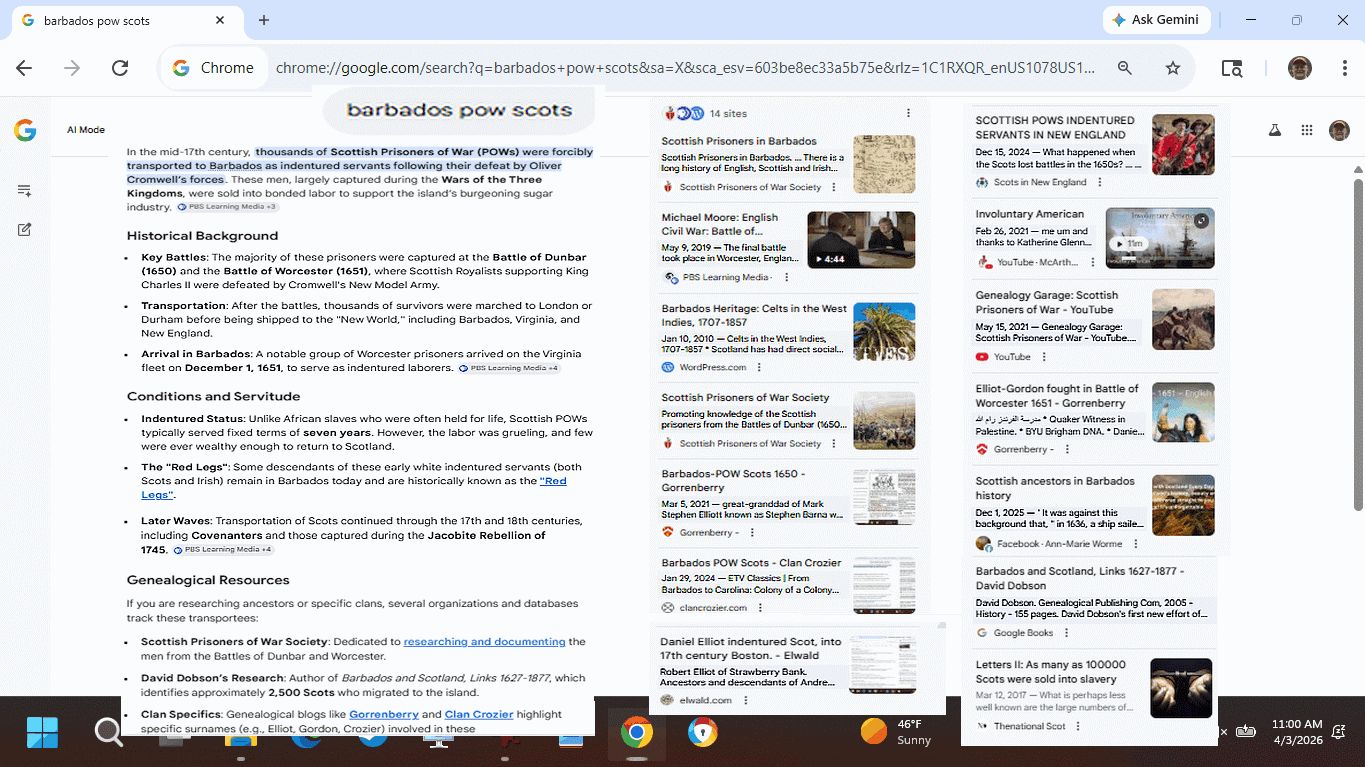
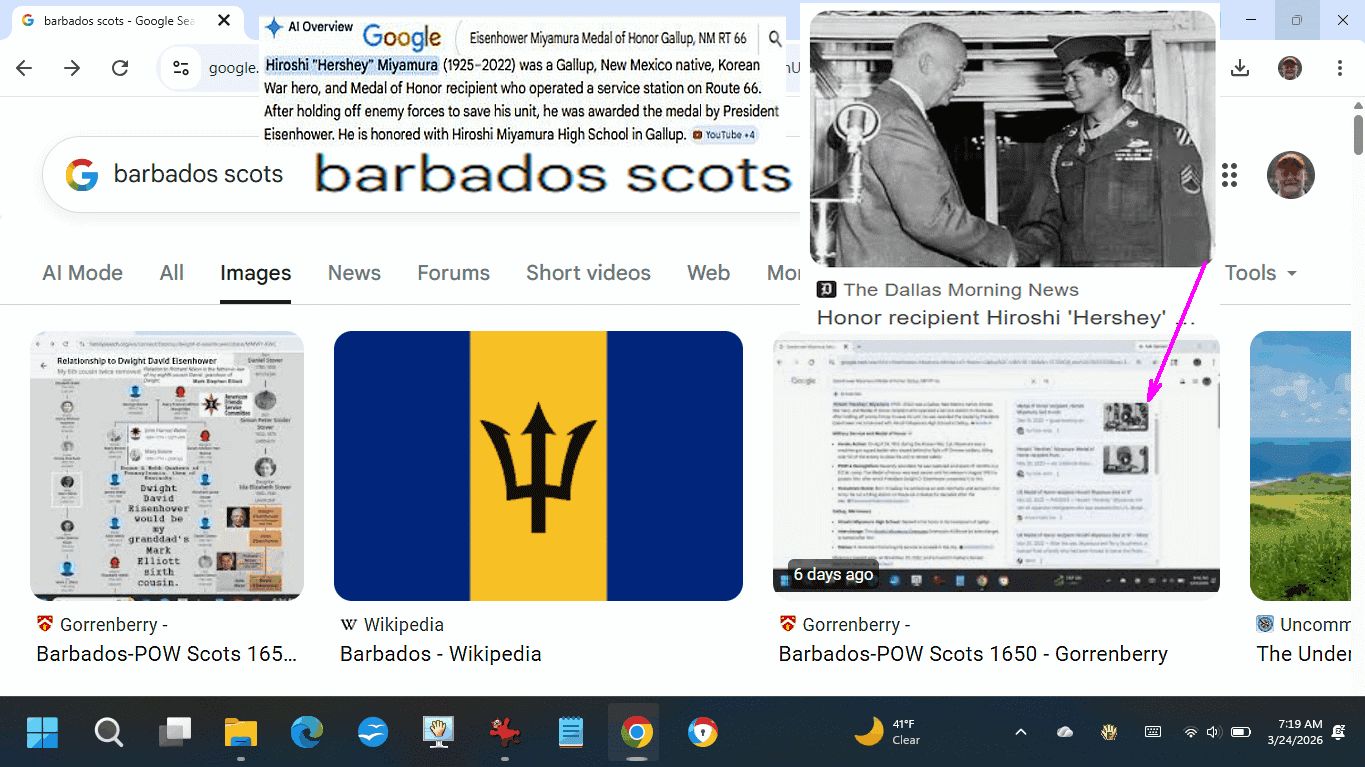
 https://www.bing.com/search?q=barbados+scots


Bing Videos-Die irischen Zuckersklaven von Barbados

Genealogy Garage: Scottish Prisoners of War youtube

Involuntary Americans: Scottish Prisoners in 17th Century Maine youtube


https://www.bing.com/search?q=barbados+scots
Bing Videos-Die irischen Zuckersklaven von Barbados
Genealogy Garage: Scottish Prisoners of War youtube
Involuntary Americans: Scottish Prisoners in 17th Century Maine youtube


https://www.familytreedna.com/social-photos/4498710?dpr=2&fit=max&h=348&w=590


Die Riding Clans in Ulster von Robert Bell


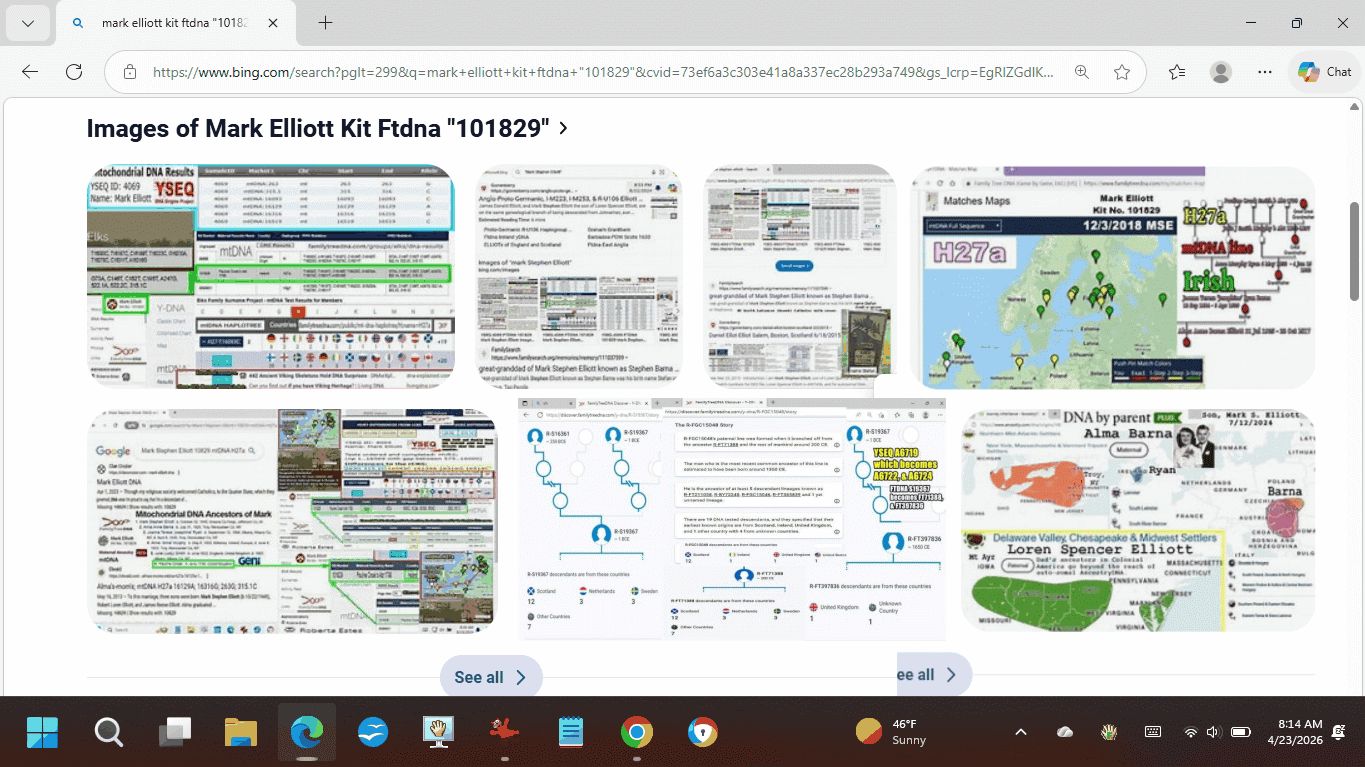
Family Tree DNA Social Photos 3973994 (705×501) Alma Barna Elliott mtDNA
Family Tree DNA Social Photos 3935440 (1046×767) ABE mom’s dad a Barna, mom a Ryan
Alma’s Story Rev.July 2012 PDF


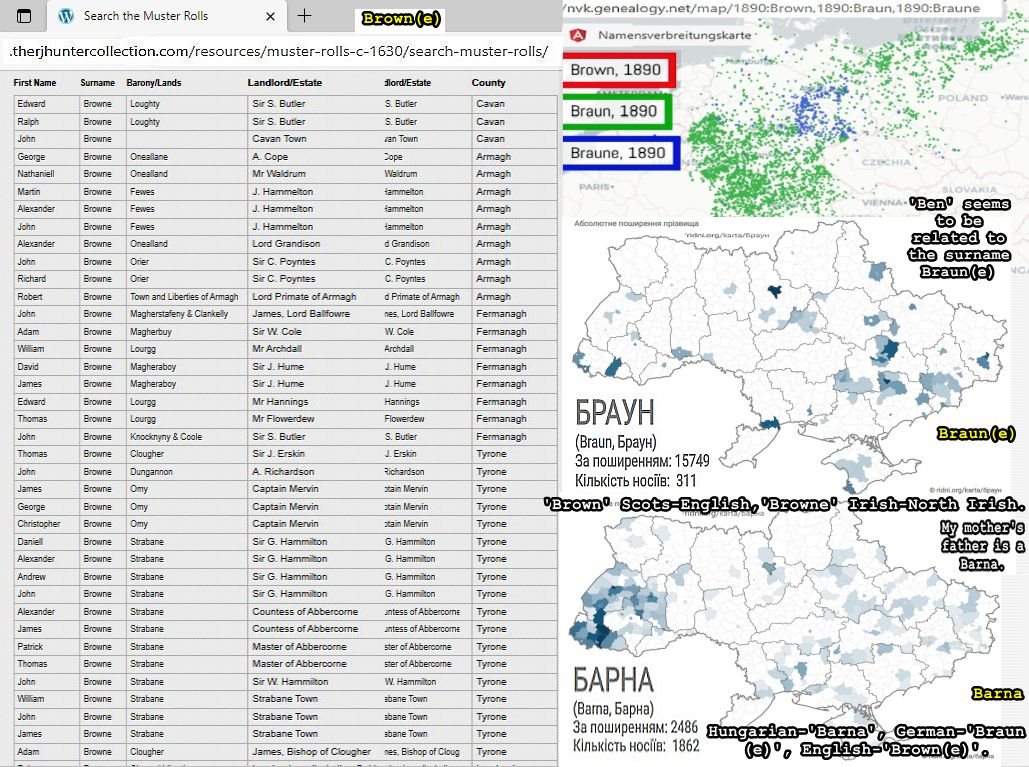
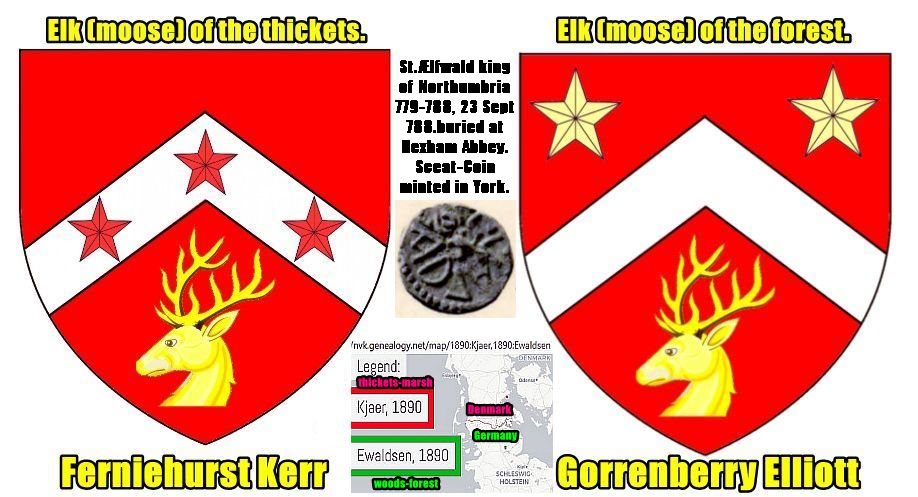
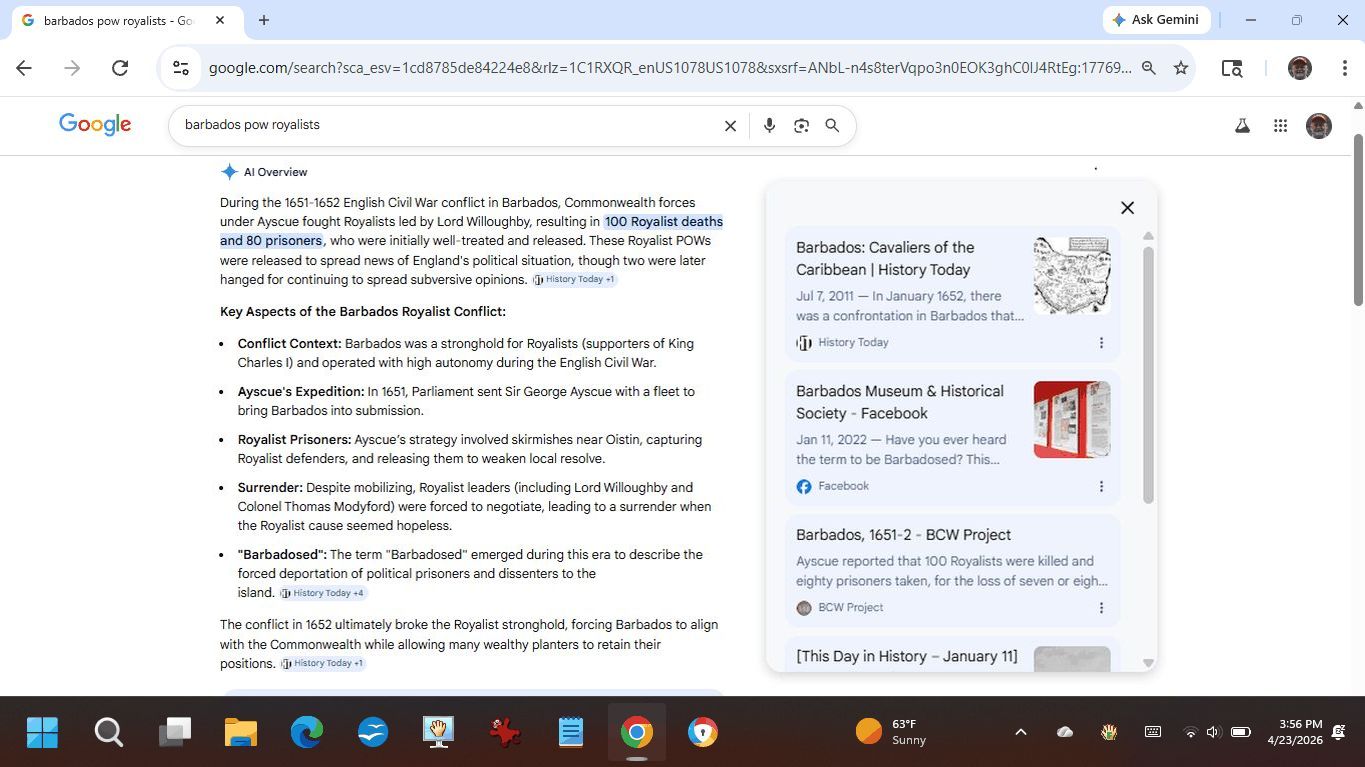
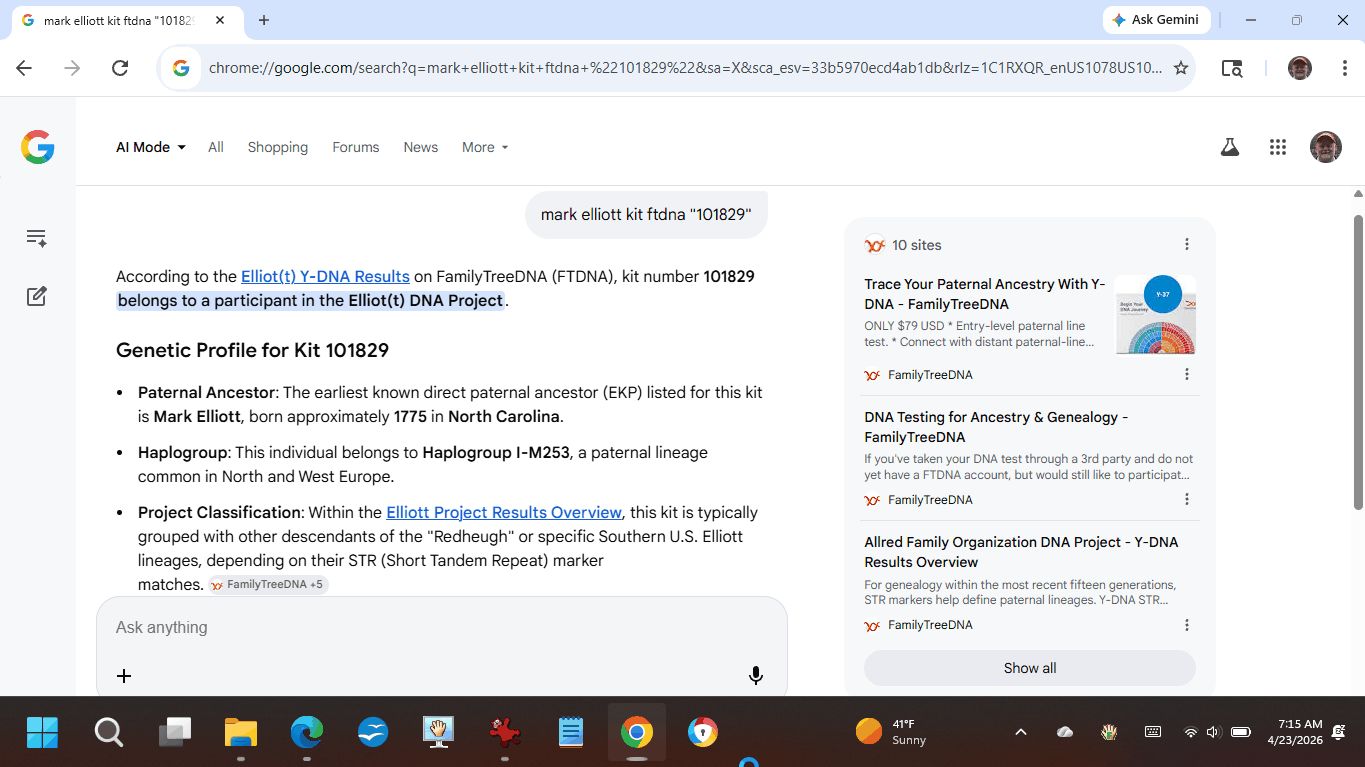
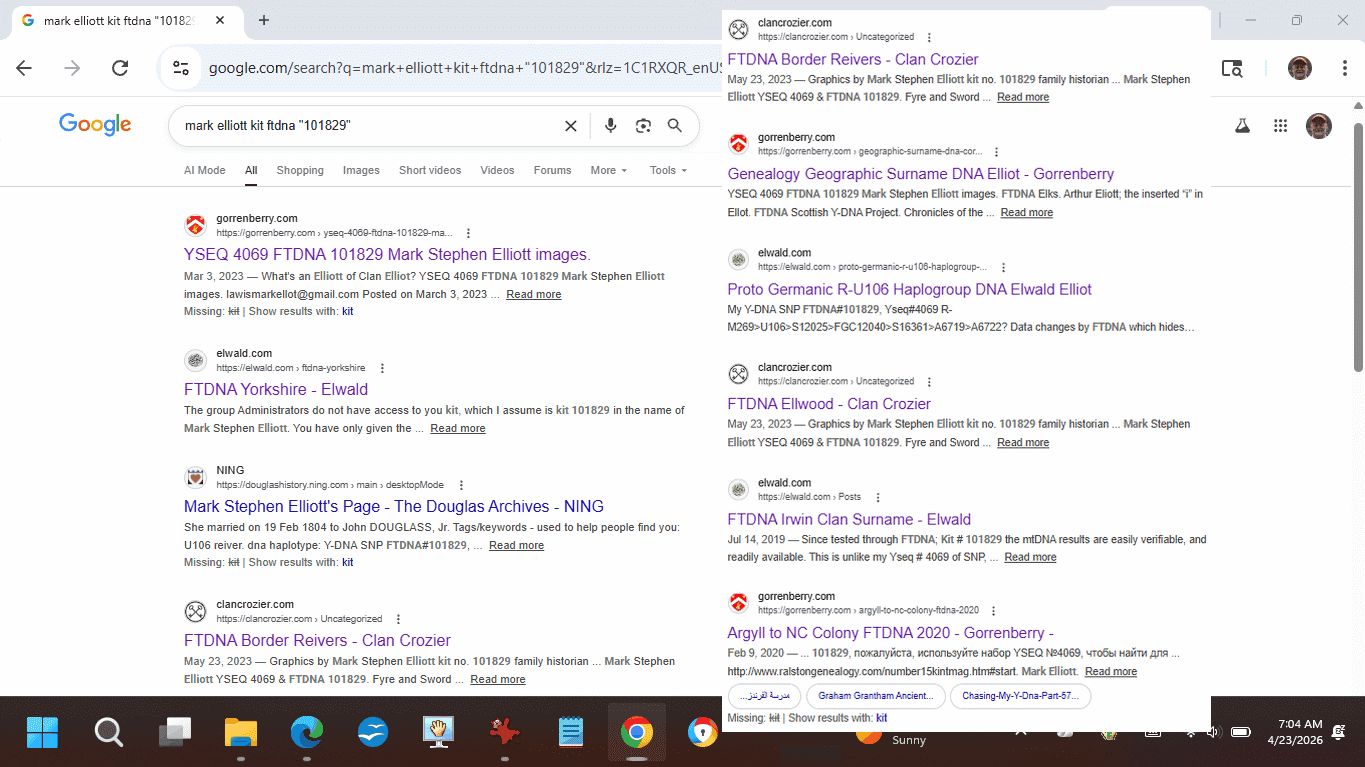
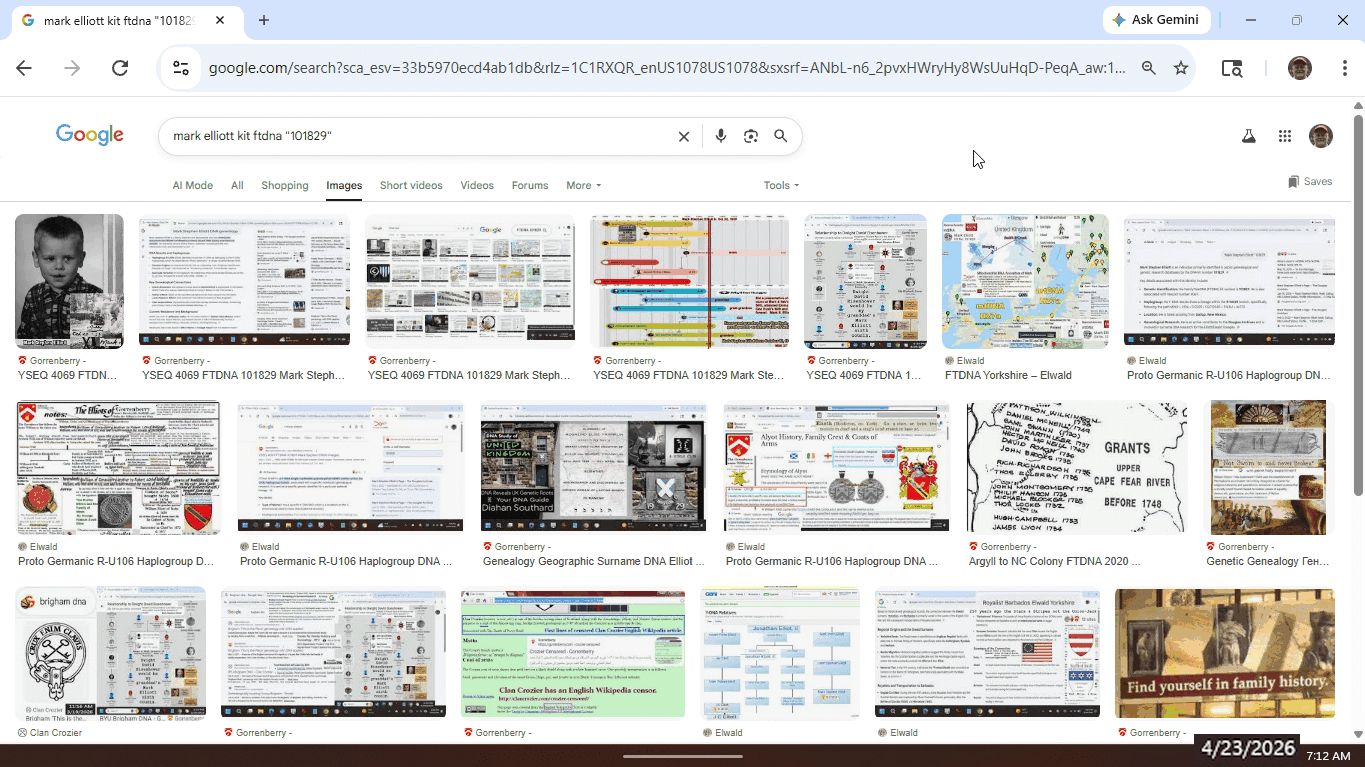
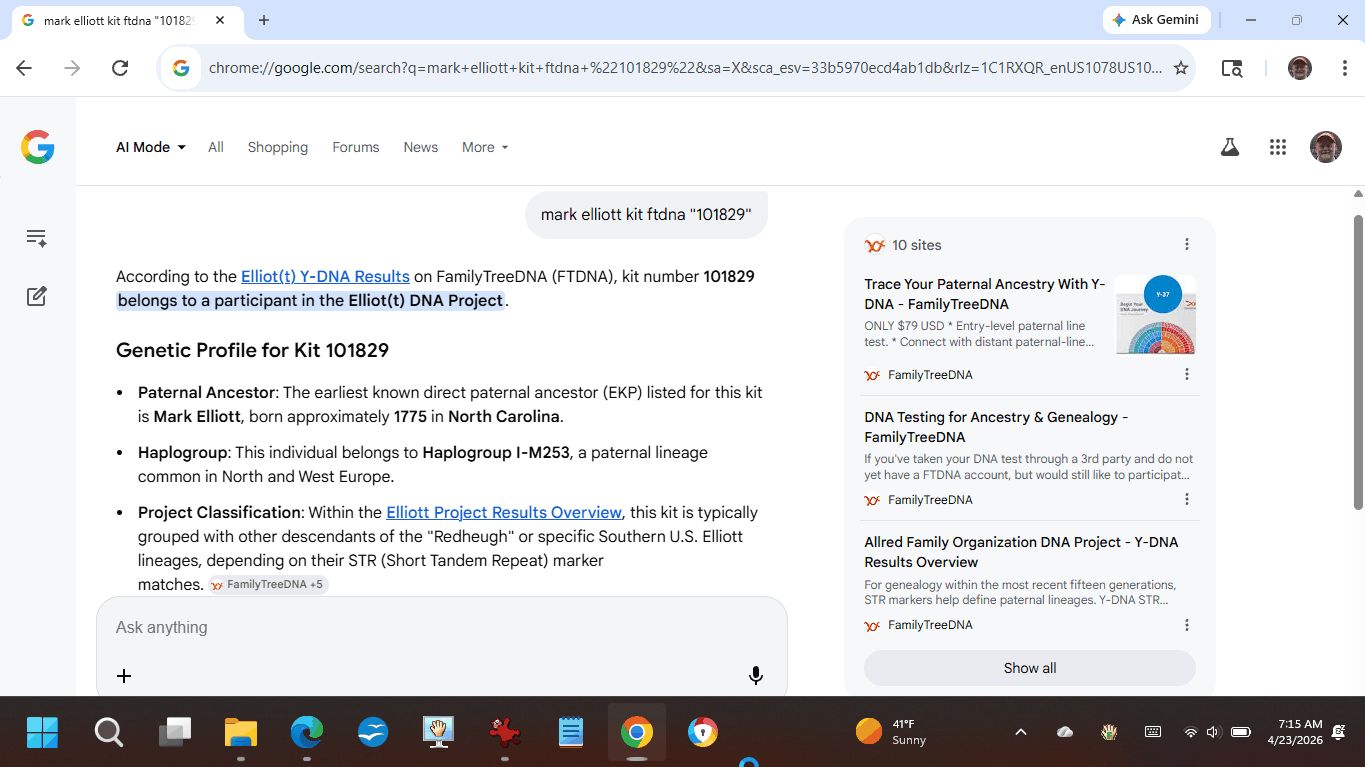
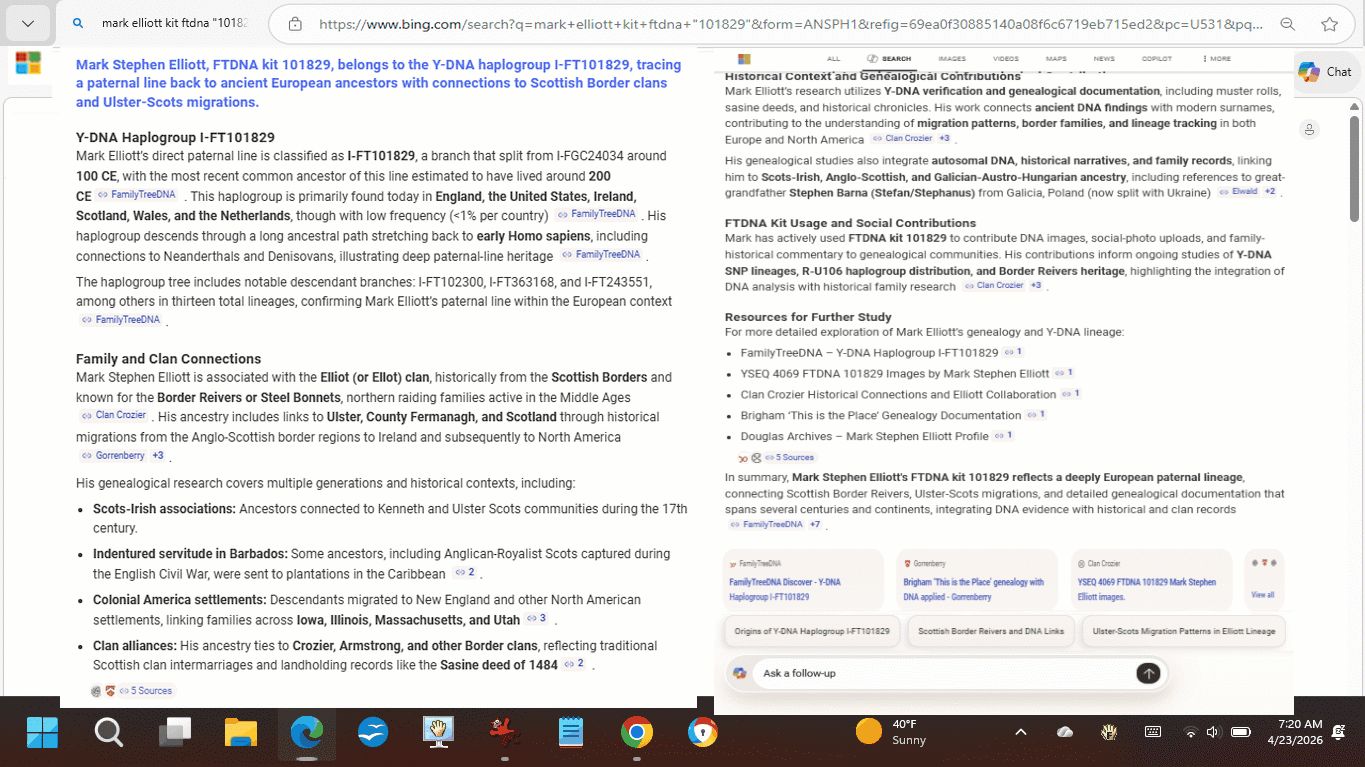
Family Tree DNA Social Photos 3719534 (1181×912)
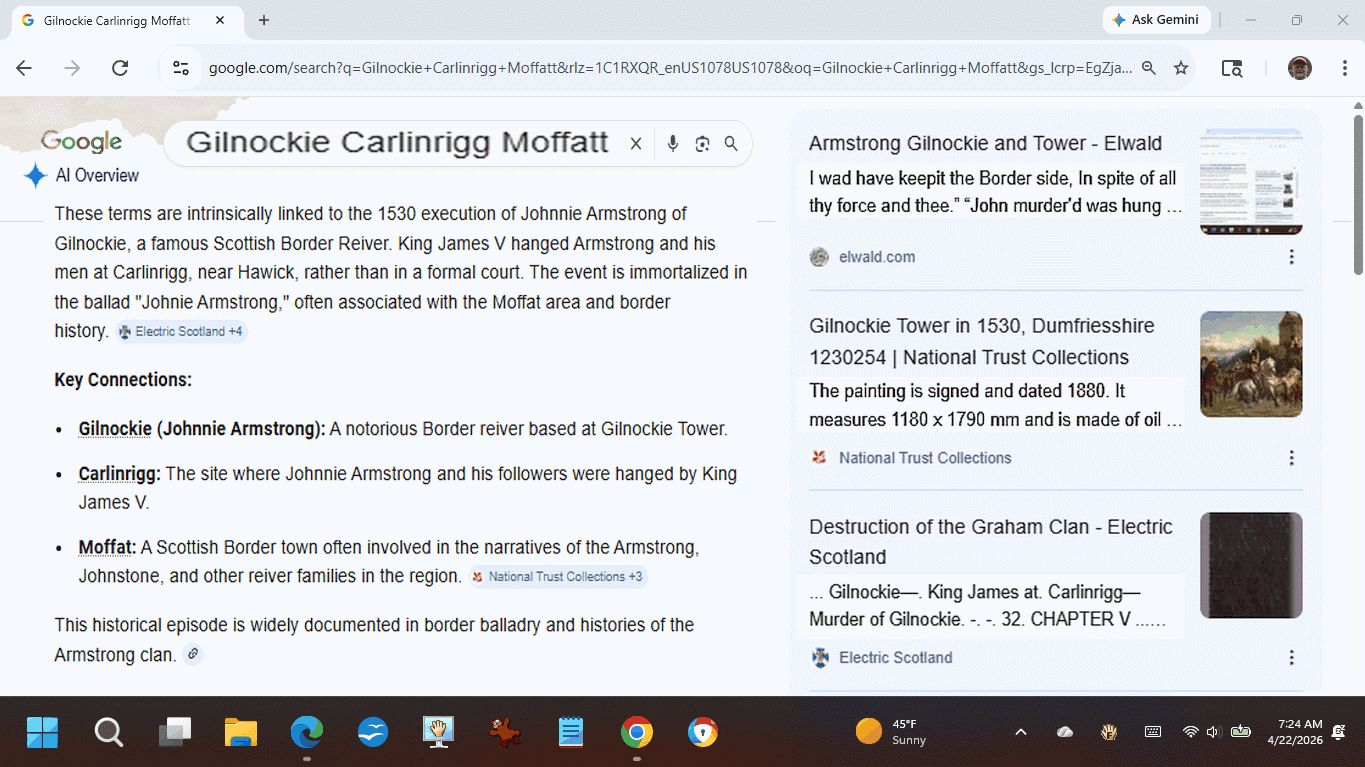
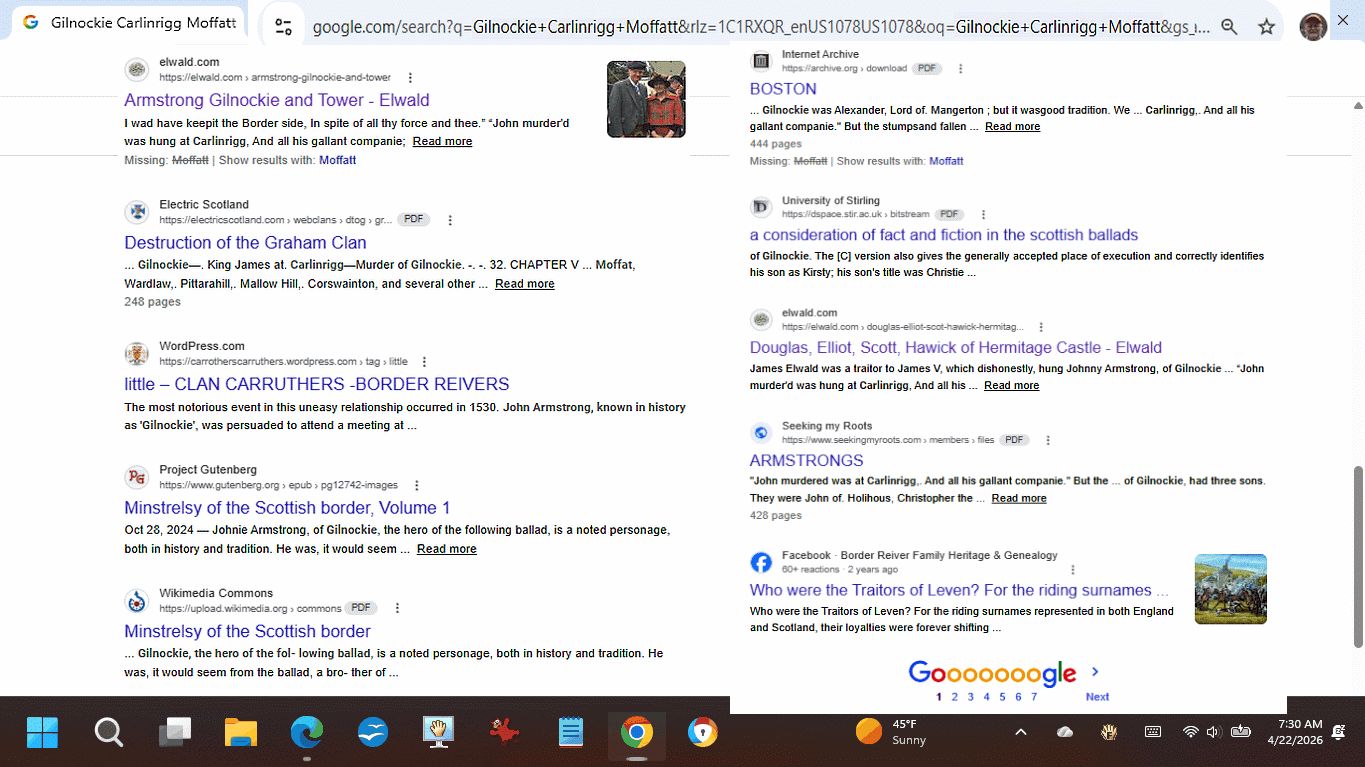
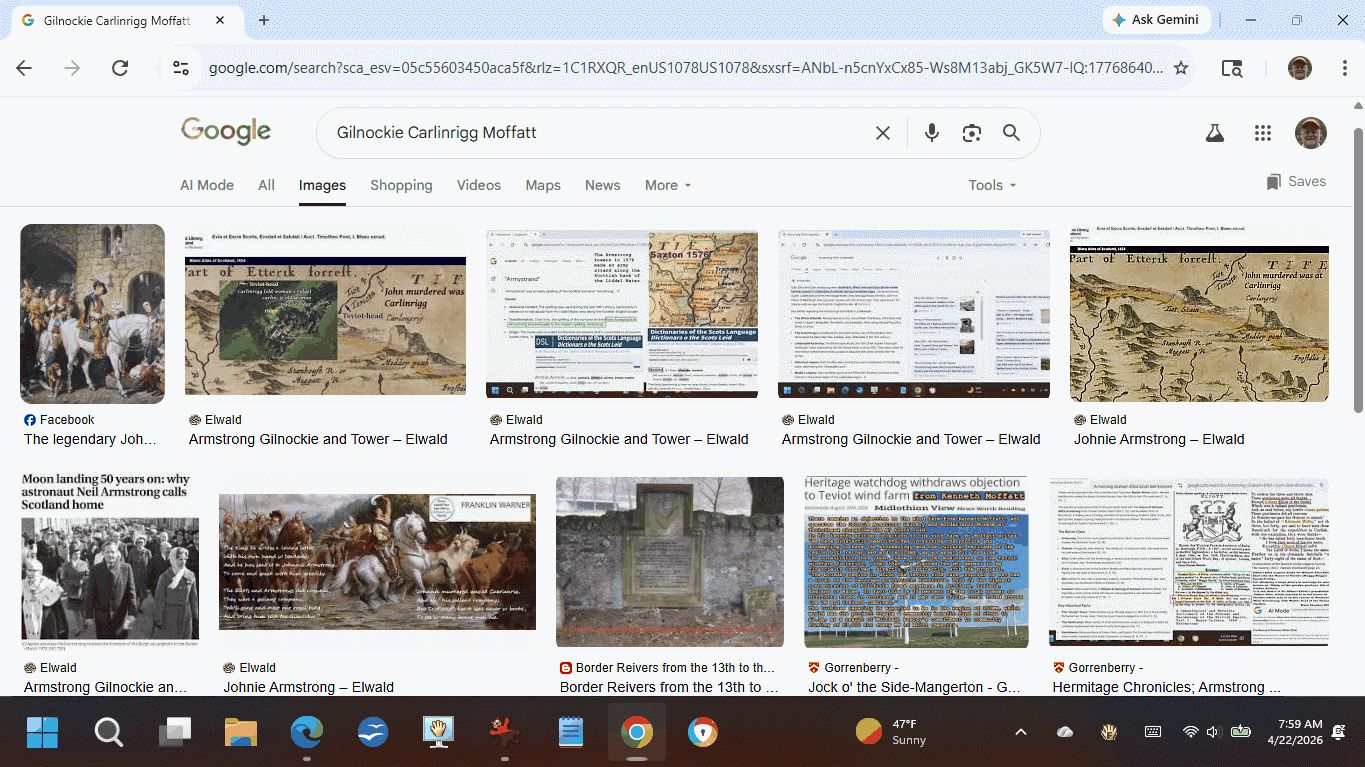
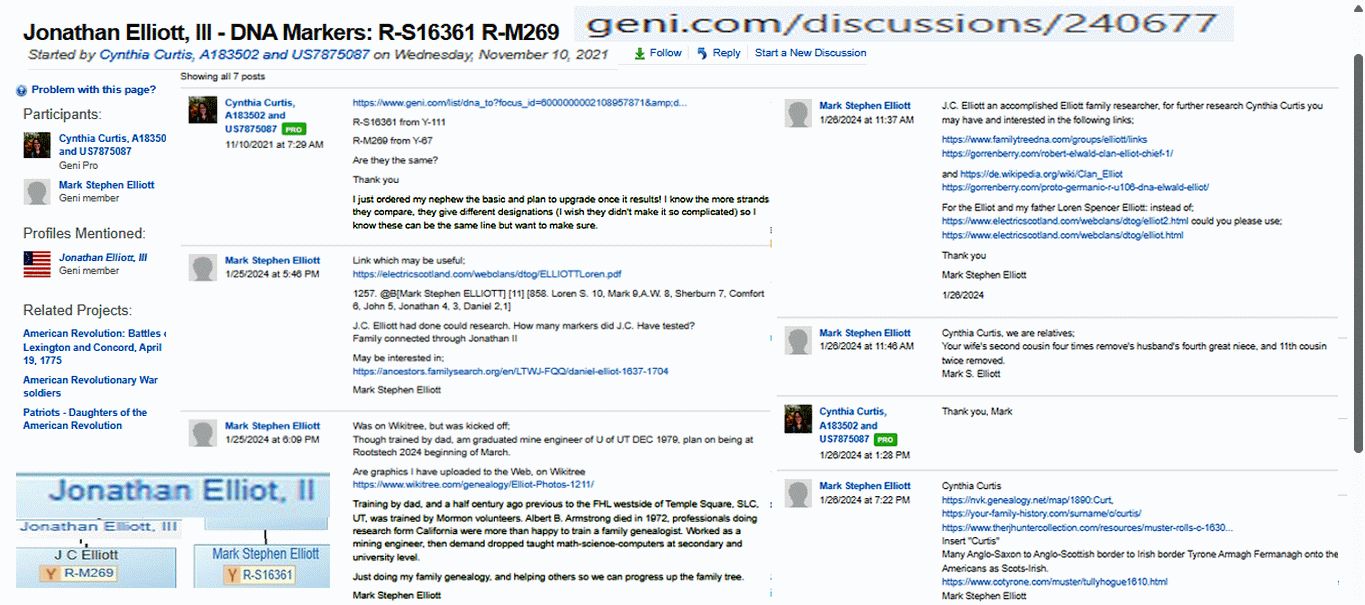
Jonathan Elliott, III – DNA Markers: R-S16361 R-M269 Geni Discussions
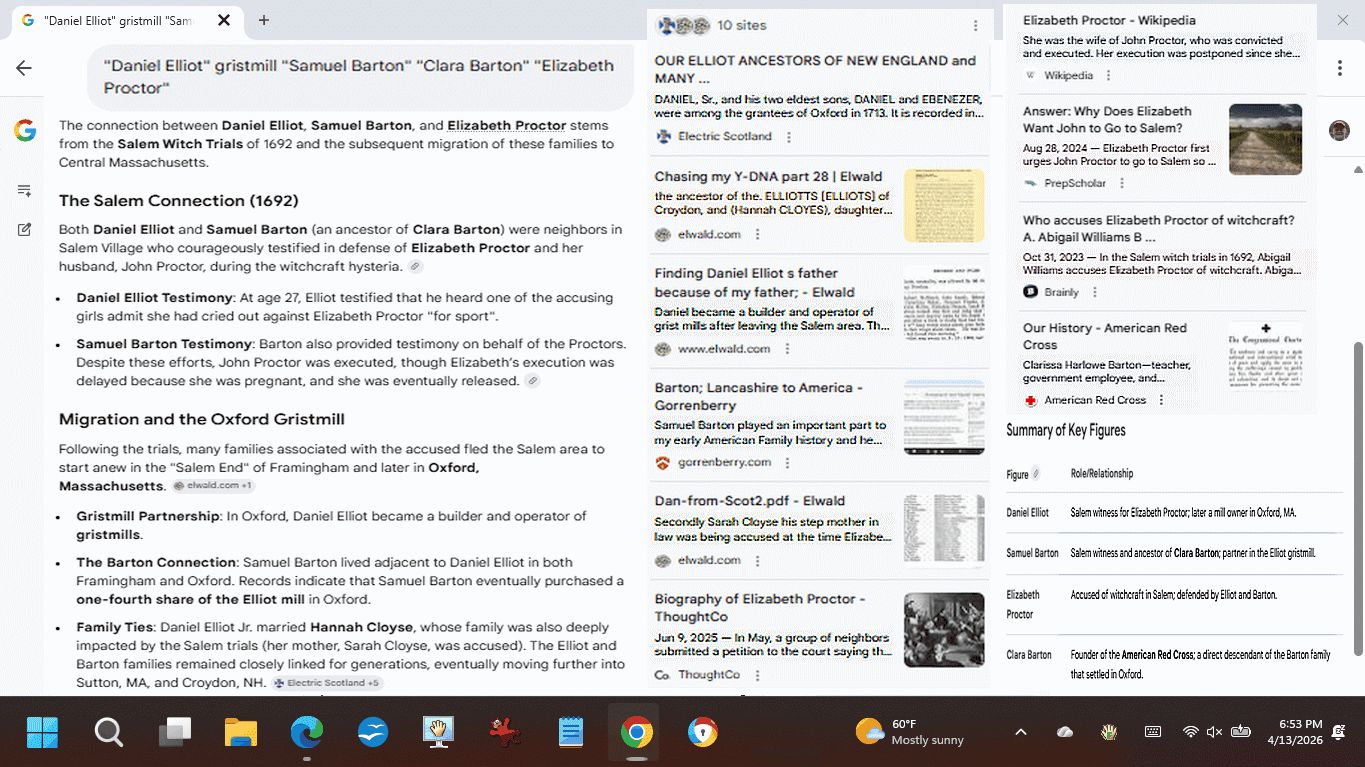
SWP No. 106: Elizabeth Proctor – New Salem – Pelican
Dan Elliot-from-Scot2.PDF by MSE
Biography of Elizabeth Proctor
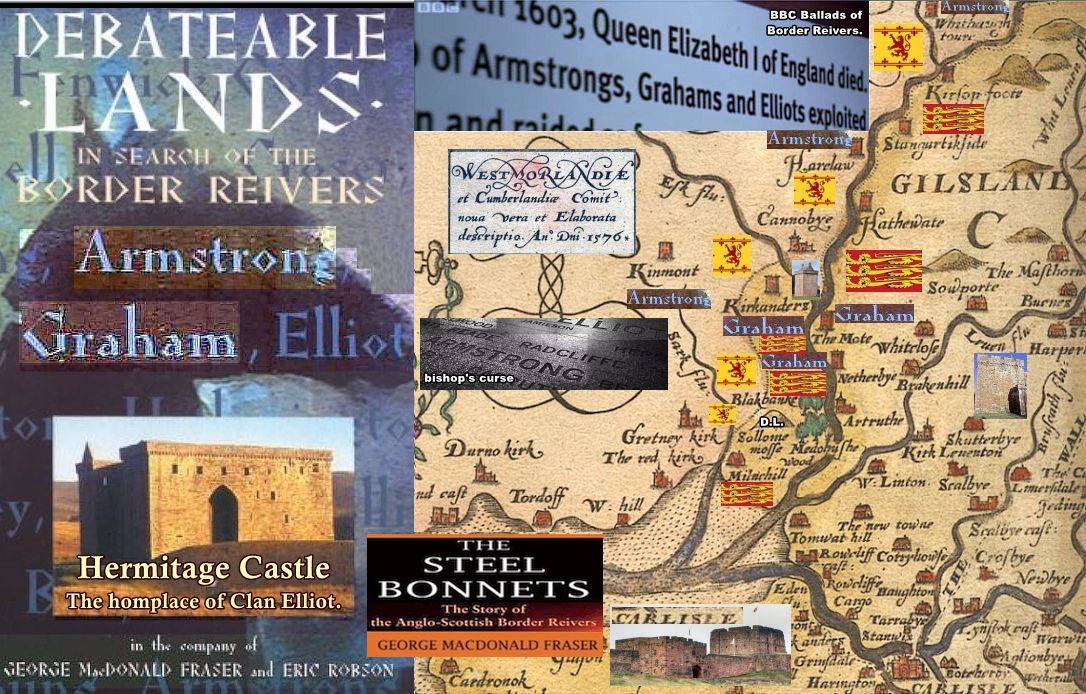
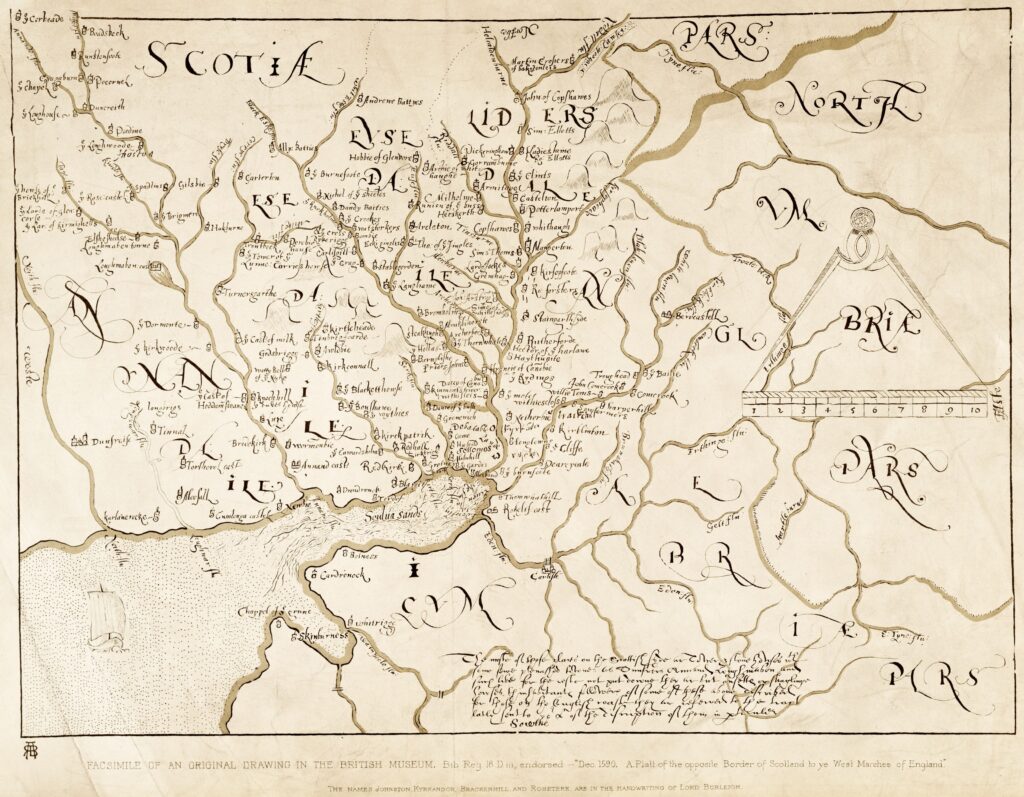
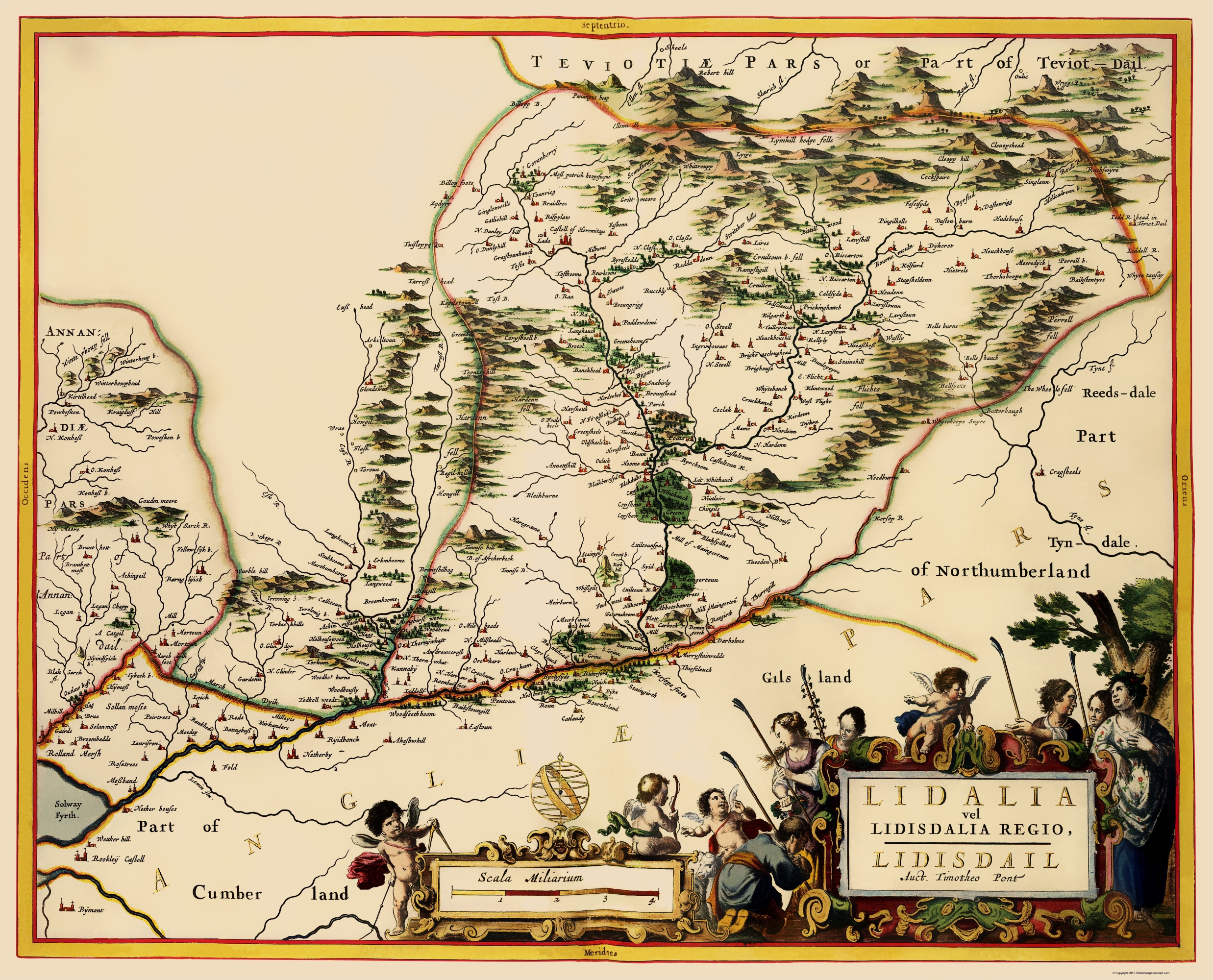
Steel Bonnets In Debatatable Lands with George Macdonald Fraser and Eric Robson
Clan Elliot – Wikipedia, the free encyclopedia
File:Sasine deed 1484 for Robert Elwald (Elliot), Redheugh, Larriston, Hartsgarth.jpg – Wikipedia
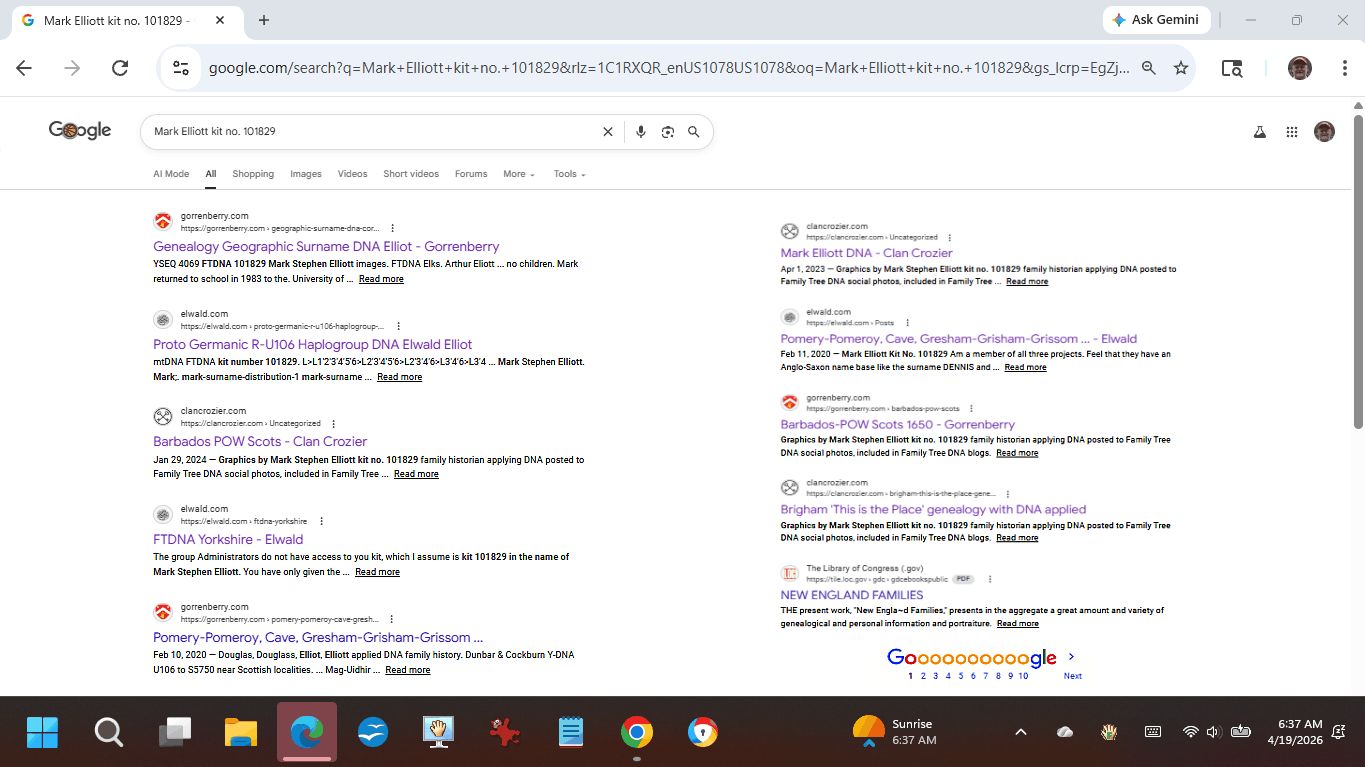
Proto-Germanic R-U106 haplogroup DNA Elwald-Elliot – Gorrenberry
sheep-stealers-from-the-north-of-england-the-riding-clans-in-ulster-by-robert-bell PDF
Clan Elliot – de.Wikipedia.org Germany
Steel Bonnets In Debatatable Lands with George Macdonald Fraser and Eric Robson
Clan Elliot – de.Wikipedia.org Germany
Steel Bonnets In Debatatable Lands with George Macdonald Fraser and Eric Robson
,_Redheugh,_Larriston,_Hartsgarth.jpg)

File:Sasine deed 1484 for Robert Elwald (Elliot), Redheugh, Larriston, Hartsgarth.jpg – Wikipedia
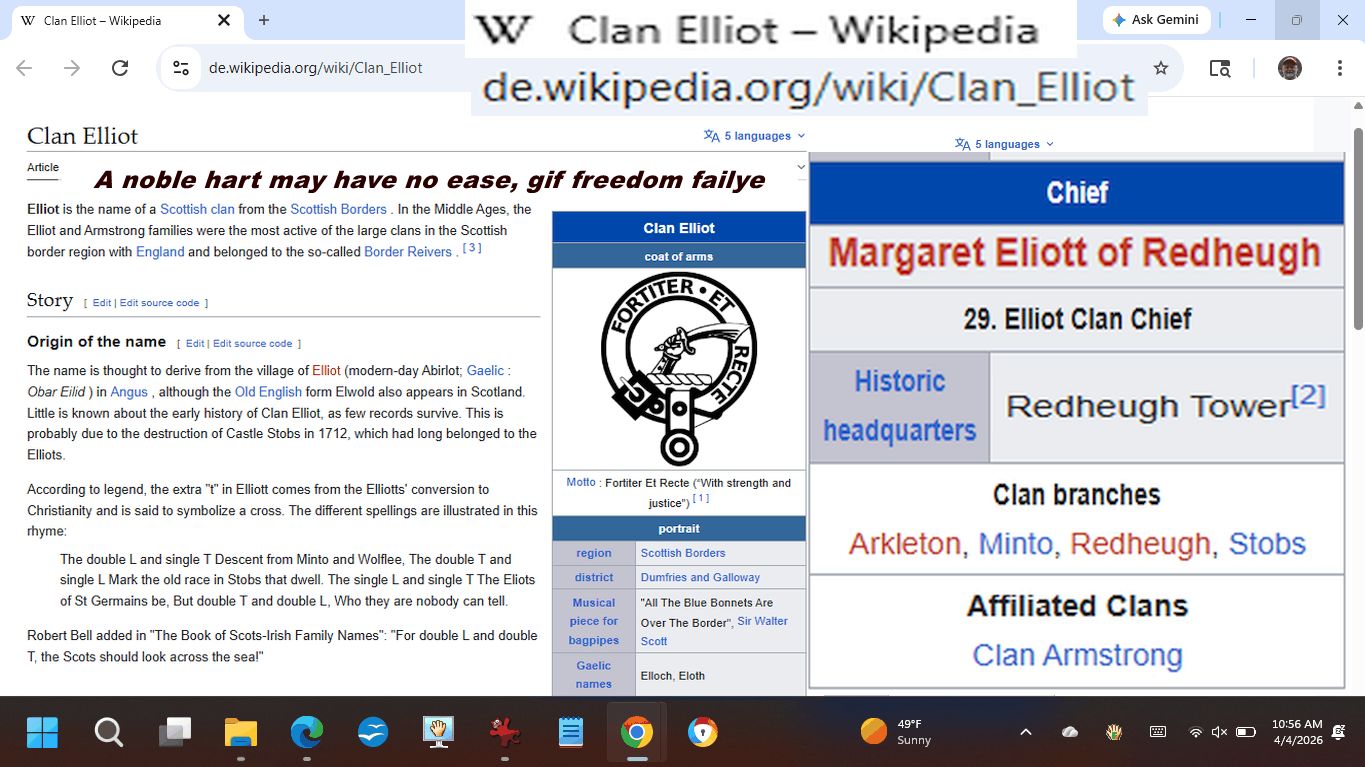
Clan Elliot – Wikipedia, the free encyclopedia
File:Sasine deed 1484 for Robert Elwald (Elliot), Redheugh, Larriston, Hartsgarth.jpg – Wikipedia
Proto-Germanic R-U106 haplogroup DNA Elwald-Elliot – Gorrenberry
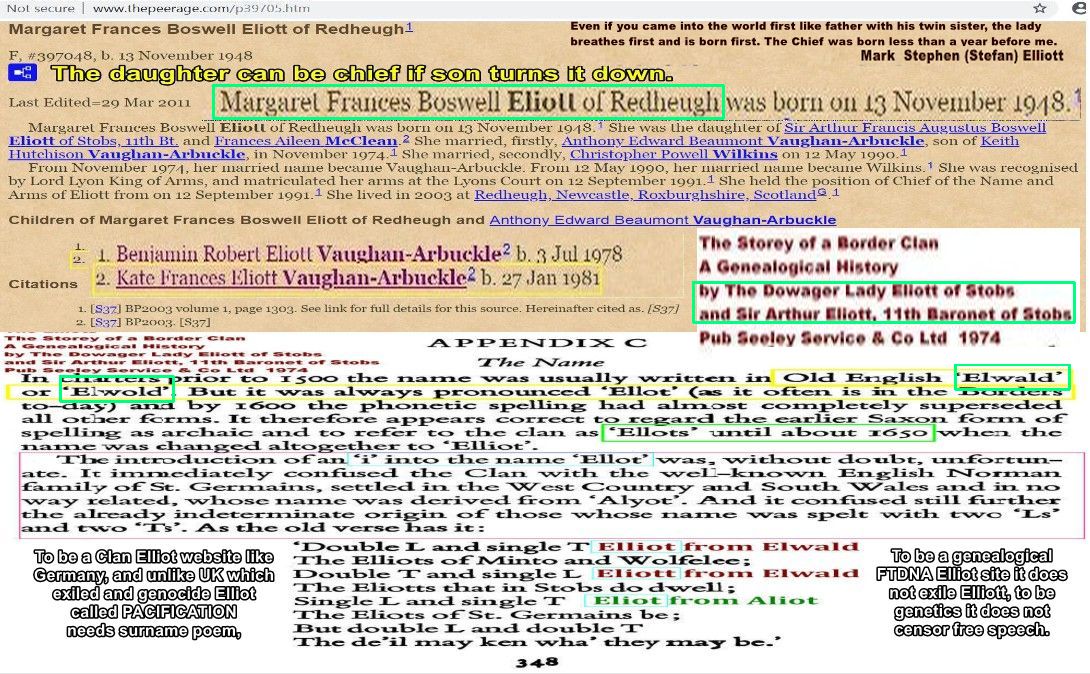
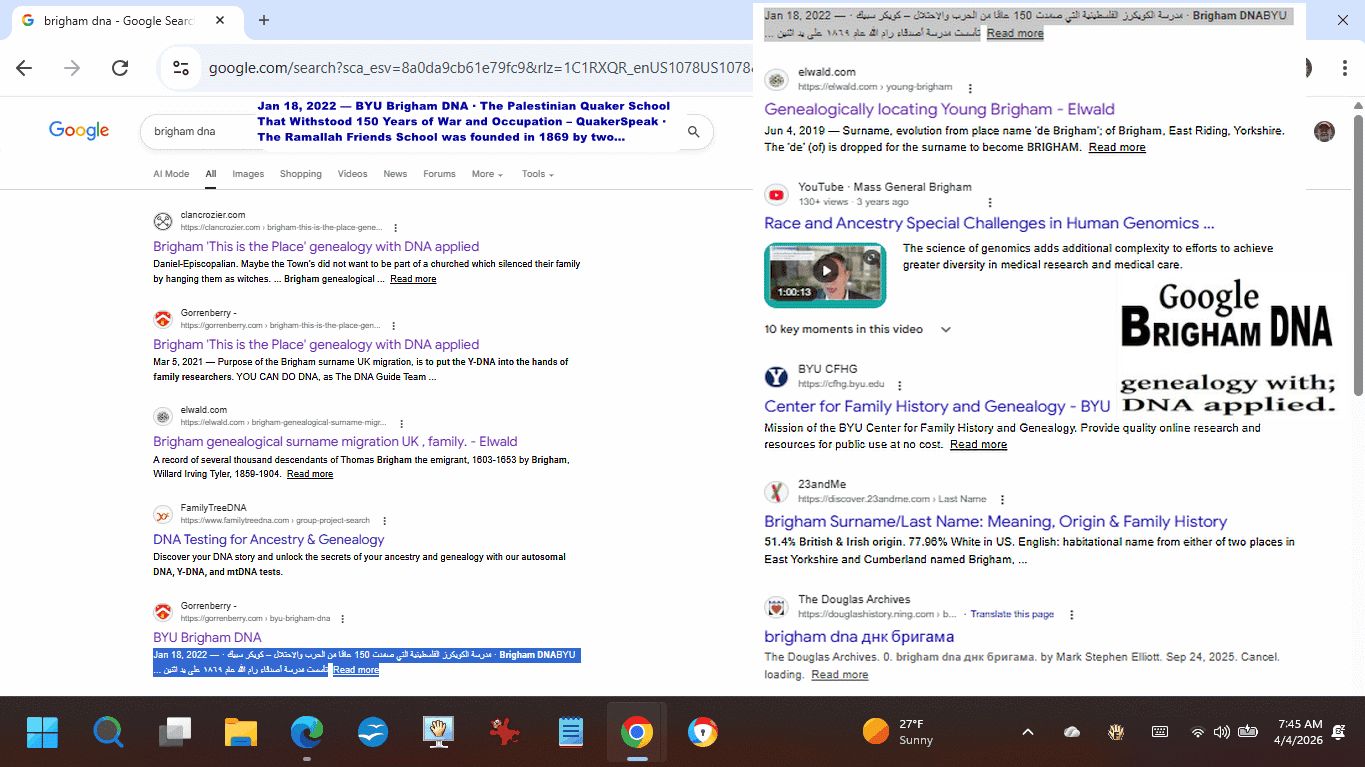


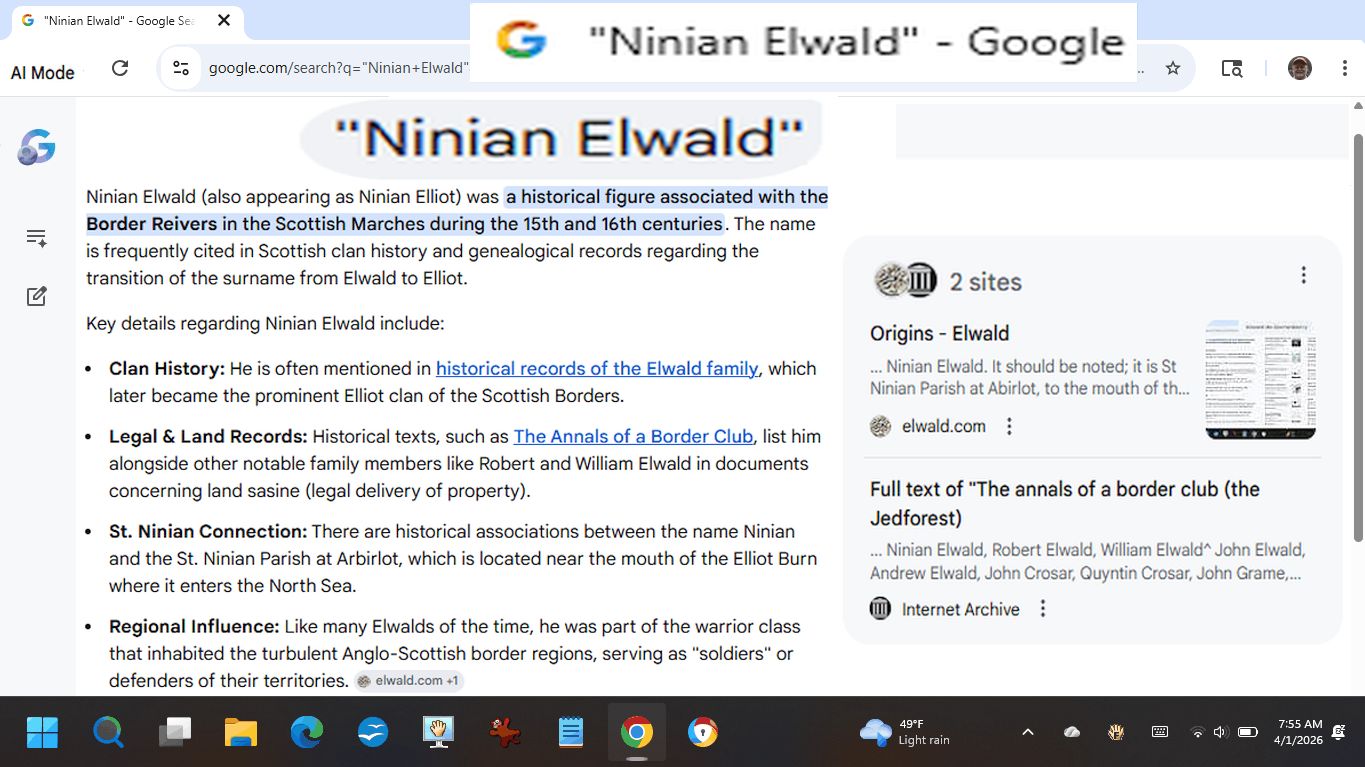
redheugh sasine – Search
-
Wikipedia https://en.wikipedia.org › wiki
File:Sasine deed 1484 for Robert Elwald (Elliot), Redheugh, Larriston …
This has landholders Ker, Scot, Elwald, Gladstanis, which helped with ownership of the land Redheugh, Larriston, Hartsgarth, and others to be transfer to Robert Elwald, with Elwald, Graham, Forester, and …
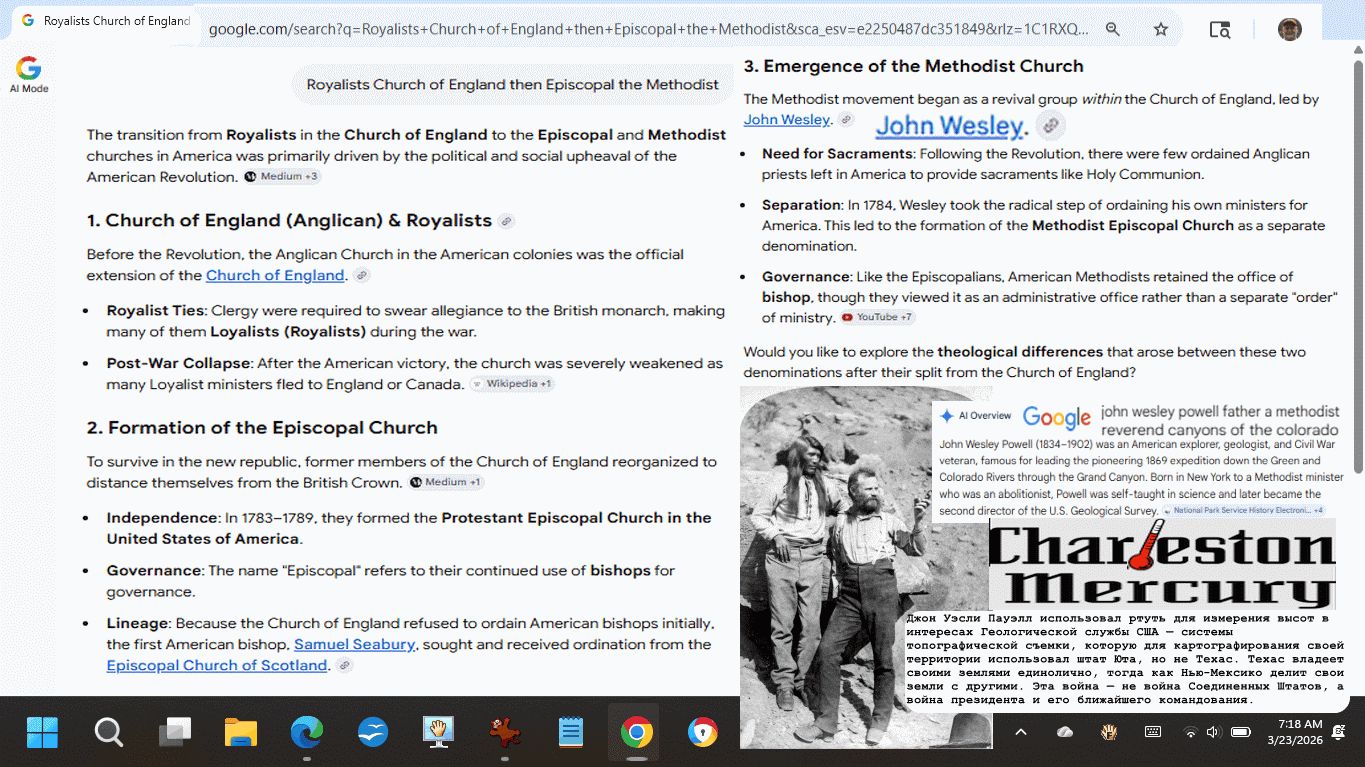
Canyons of the Colorado by John Wesley Powell | Project Gutenberg